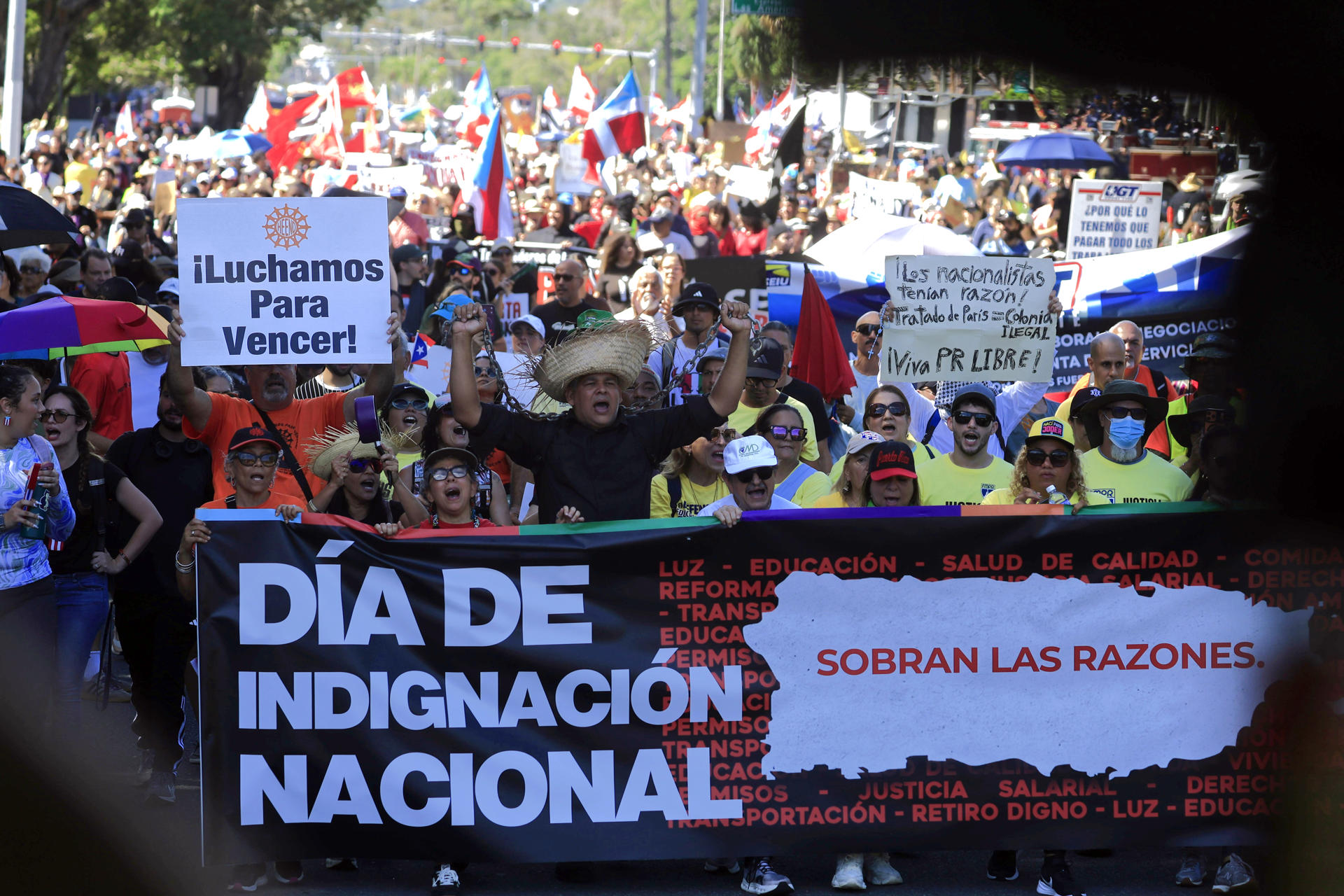
Thousands of demonstrators packed the streets of San Juan, Puerto Rico, on November 27, 2026, closing a main highway near the Caribbean’s largest shopping mall during Black Friday for a “National Day of Outrage” against soaring living costs, utility rate hikes, and deteriorating basic services.
Protest Turnout and Demands
Organized by roughly 30 groups, the mobilization drew participants who arrived by bus from dozens of municipalities across the island according to the Associated Press.
Retirees, university students, and bus drivers joined the crowds to denounce low wages. They also protested pensions, environmental degradation, and threats to public beach access.
Demonstrators marched behind a banner reading in Spanish “Day of National Outrage” as anger grew over conditions on the island since Governor Jenniffer González took office in January 2025.
About 8,000 people took part in the demonstrations as reported by Al Jazeera, based on local media and organizer estimates.
Electricity Rates Surge 18 Percent to 33.86 Cents per Kilowatt-Hour
Energy costs occupied a central position in the protests following sharp tariff increases. Monthly electricity bills for some residential customers recently rose about 18 percent, climbing from $229 to $271 according to Associated Press reporting.
The resulting tariff of 33.86 cents per kilowatt-hour greatly surpasses the U.S. mainland average of 18.3 cents per kilowatt-hour, as tracked by the U.S. Energy Information Administration.
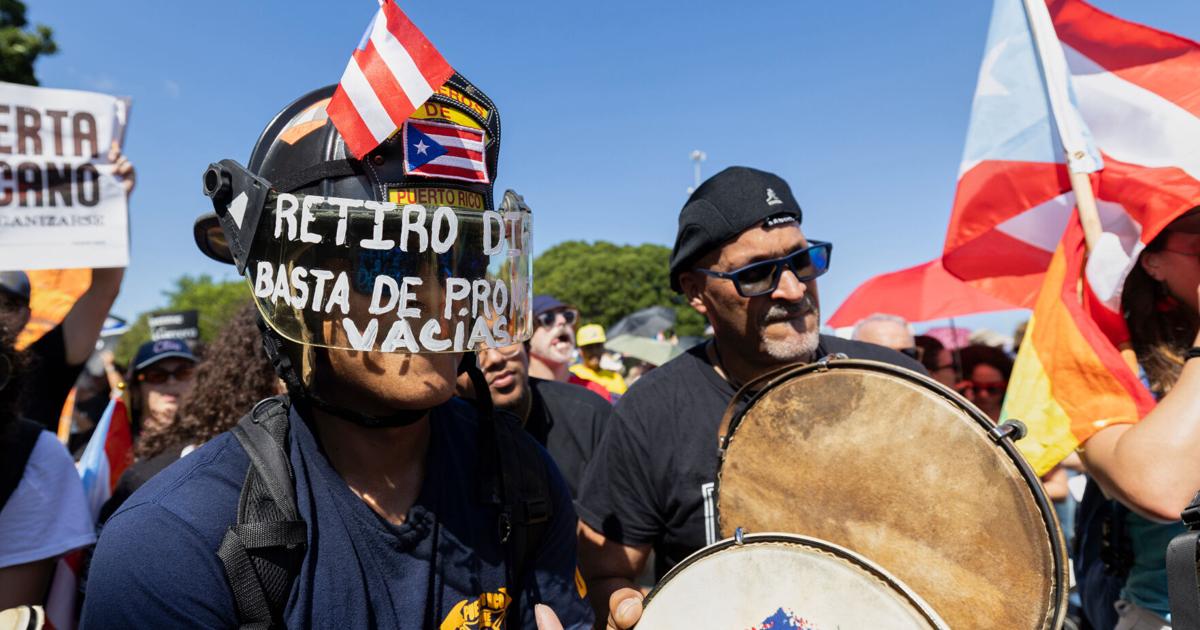
A University of Puerto Rico analysis found that electricity prices climbed roughly 37 percent between fiscal years 2021 and 2026 according to TeleSUR English. Protesters directed heavy criticism at LUMA Energy, the private operator overseeing power transmission and distribution on the island.
The demonstrations unfolded just days after Puerto Rico’s Supreme Court narrowly approved canceling the government contract with LUMA after finding that the operator failed to meet statutory requirements. The governor welcomed the ruling.
Residents and business groups voiced concern about persistent outages and future stability.
🇵🇷 Unions, community groups, and environmental organizations across Puerto Rico marched on Black Friday for a "National Day of Outrage" against rising housing costs, utility rate hikes by LUMA Energy, and the privatization of public services. Demonstrators from 62… pic.twitter.com/D5sgyjXqrN
Minimum Wage Trails Cost of Living as Pensions Shrink
Protesters highlighted systemic financial pressures, pointing out that the island’s minimum wage sits at $20,000 a year while Puerto Rico ranked 20th among the world’s most expensive territories in 2025 according to TeleSUR English.
Public pension systems face severe strains. Among roughly 143,000 retirees, more than 55,000 receive less than $1,000 a month.
Educational funding has experienced deep cuts. Oversight board reductions drove funding for the University of Puerto Rico down from $911 million in 2017 to $466 million in fiscal year 2022 according to an analysis by the Center for a New Economy.
Where to start? The outrage is absolute.
Radamés García Badillo, 74-year-old retiree, via The Associated Press
García Badillo stated that power and water utilities remain highly unreliable, noting that his neighborhood loses electricity for several hours at least once a week according to the Associated Press dispatch.
Retirees Describe Severe Hardship
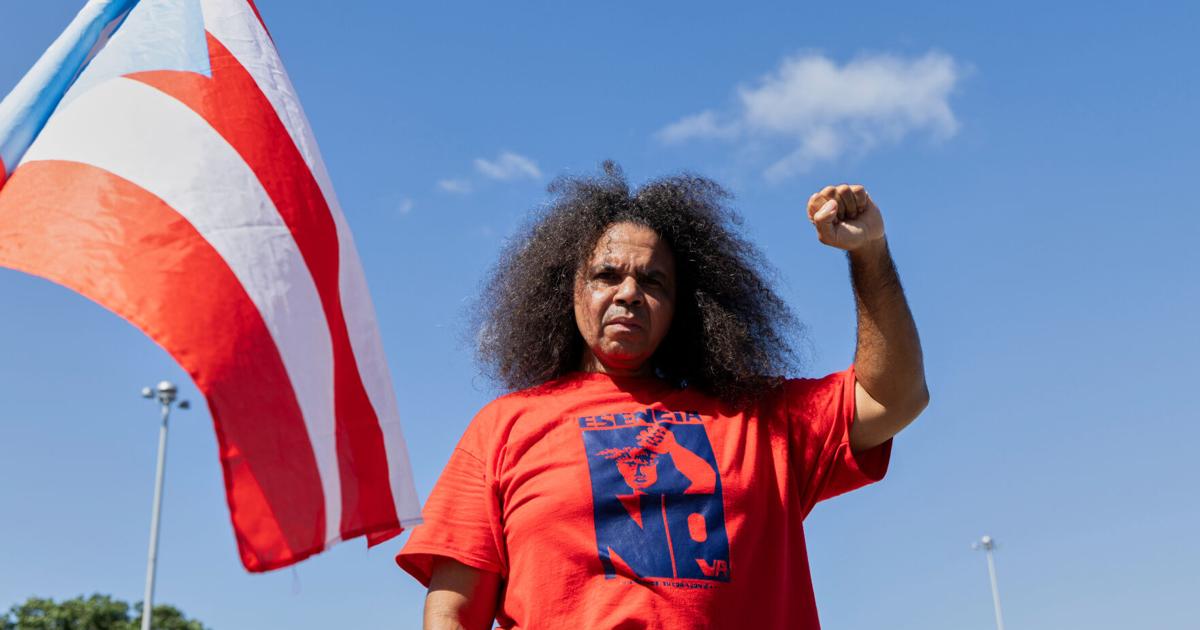
Radamés García Badillo, a 74-year-old resident who participated in the demonstration, described the general sentiment among older citizens. Retirees must handle extreme expenses by making every dollar stretch as much as possible.
Eva Prados, an attorney and human rights advocate who joined the march, said that unsustainably high power bills are forcing businesses to close. Local residents continue to struggle with a high cost of living and basic services that the government fails to guarantee.
Industry Warns Contract Cancellation Risks Investment While Outages Persist
The Puerto Rico Association of Industries warned that terminating the private power contract could discourage private investment and jeopardize project continuity as work continues to repair an electrical grid originally damaged by Hurricane Maria in 2017.
On the streets, younger residents described the daily toll of infrastructure failures. Verónica Ishtar, a 22-year-old visual arts student who documented the march, reported that power in her neighborhood failed 12 times during the week of the protest according to wire reports.
This is not normal, and it should not be normalized.
Verónica Ishtar, 22-year-old visual arts student, via The Associated Press
Eva Prados, an attorney, politician, and human rights advocate who joined the march, said that citizens are waiting for tangible remedies as reported by the Associated Press.
Unsustainable utility bills and business closures reflect basic services “that this government is not guaranteeing” while Puerto Rico awaits concrete solutions, she said.
Protesters have focused their anger on LUMA Energy because the private consortium took over managing the island’s electricity transmission and distribution under a 15-year contract signed on June 22, 2020. Puerto Rico’s Supreme Court narrowly approved canceling this agreement after finding that the operator failed to meet statutory requirements.
Since taking over operations on June 1, 2021, LUMA has faced intense criticism over persistent blackouts and rising electricity costs, even as executives described the electrical grid as an outdated system neglected for decades prior to their tenure.
Demonstrators warned throughout the Black Friday event that their protests will persist until the government addresses essential needs and basic services. Many people in the crowds carried or wore the Puerto Rican flag while denouncing the precarisation of working hours and demanding higher pensions on November 27, 2026, in San Juan, Puerto Rico.