Researchers from UCLA and NASA have identified a primordial reservoir of heavy water ice in the Kuiper Belt, providing evidence of how water was distributed in the early solar system 4.5 billion years ago.
The discovery, published in Science Advances on November 13, relies on the analysis of 12 interplanetary dust particles collected by NASA’s ER-2 high-altitude research aircraft. These particles, each significantly smaller than the width of a human hair, contain mineral structures that show they originated in the distant Kuiper Belt beyond Neptune.
The findings suggest that the early solar system’s water was not mixed uniformly. Instead, the isotopic signatures preserved in these grains indicate the existence of a distinct, heavy water reservoir that remained largely isolated from the inner solar system as the planets formed.
Tiny grains of space dust are helping NASA scientists uncover clues about how our solar system formed. By analyzing particles collected from Earth’s stratosphere, researchers found evidence of an ancient icy reservoir in the distant Kuiper Belt, showing that water in the outer… pic.twitter.com/KQc7t6ifca
— Post by @NASAScience_ on X
- The study identified a 15% greater ratio of oxygen-18 to oxygen-16 in the particles compared to Earth’s oceans.
- Researchers used a CAMECA ims-1290 ion microprobe at UCLA to measure oxygen isotopes.
- The particles were traced to the Kuiper Belt by the density of solar energetic particle tracks found within them.
Isotopic Evidence from Kuiper Belt Dust
Oxygen isotopes—specifically oxygen-16, oxygen-17, and oxygen-18—serve as tracers for the origin of planetary materials. While most meteorites originating closer to the Sun lack significant quantities of heavy oxygen, the dust grains analyzed by the team revealed a clear enrichment.
These are extraordinary particles, and studying them requires capabilities that no single laboratory has.
Ming-Chang Liu, researcher in UCLA’s Department of Earth, Planetary, and Space Sciences
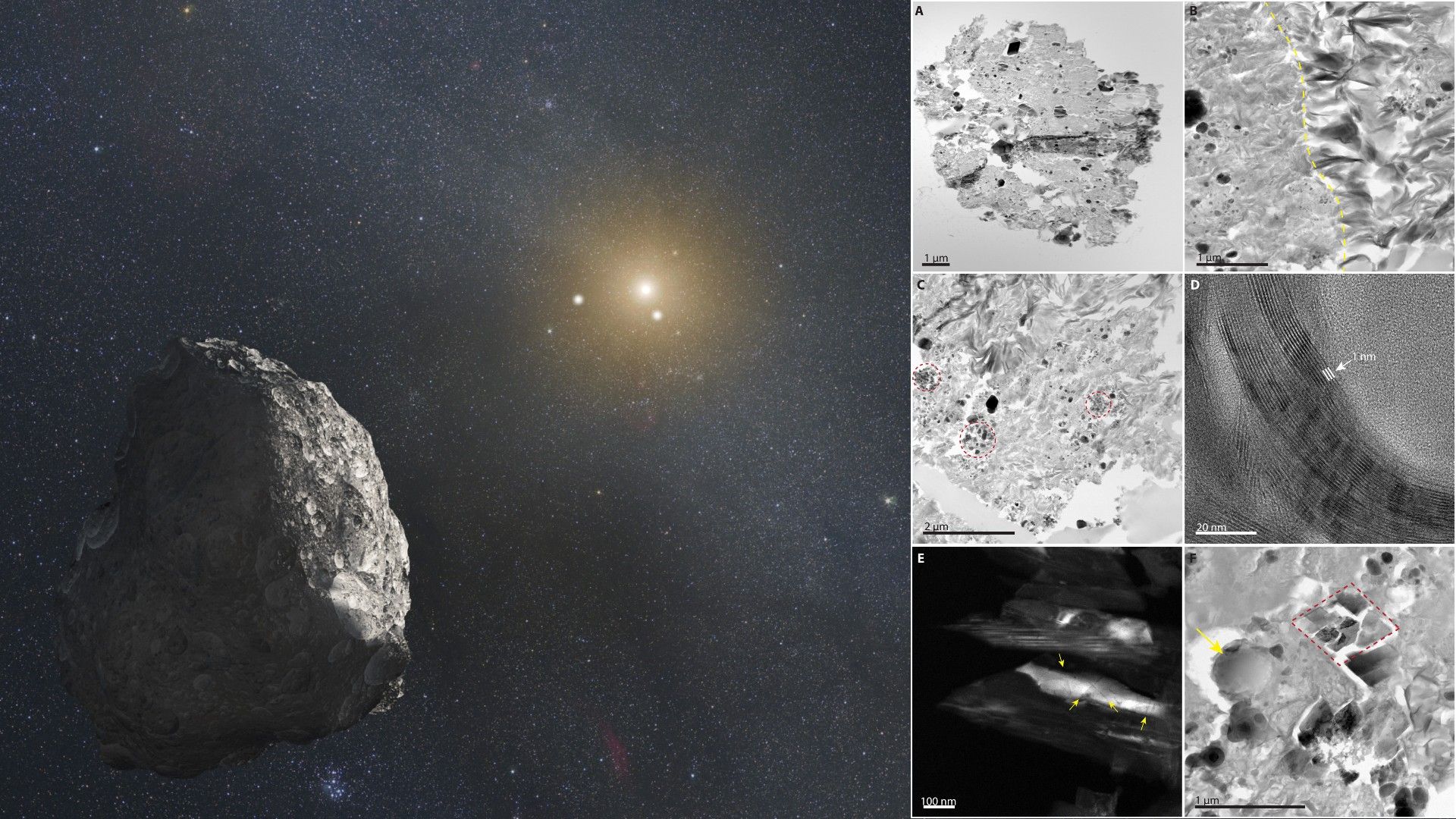
At NASA’s Johnson Space Center, researchers Lindsay Keller and Christopher Snead examined the particles’ mineralogy, identifying hydrated clay minerals. These minerals formed through low-temperature reactions between silicate rock and water-carbon dioxide fluids. According to the research team, these reactions demonstrate that the water involved was strongly depleted in oxygen-16, the most abundant stable isotope, which confirms the existence of a heavy water reservoir.
“NASA's expertise in collecting and examining cosmic dust, combined with the isotope measurements we can perform at UCLA, gives us a way to investigate materials that have preserved evidence of the solar system's earliest history,” Ming-Chang Liu said.
Researchers Used Advanced Electron Microscopy
The scientific team utilized advanced electron microscopy at the Johnson Space Center before utilizing the ion microprobe facility at the University of California, Los Angeles. These measurements captured the precise isotopic compositions of the tiny dust samples, which are smaller than a millimeter across and managed to survive atmospheric entry due to their minute size, mass, and velocity.
Origins of Extraterrestrial Dust
NASA’s stratospheric ER-2 research aircraft captured the twelve cosmic grains, which drifted toward the sun after solar directional forces slowed them down.
Identifying the particles as coming from Edgeworth-Kuiper belt objects relied on spotting high densities of solar energetic particle tracks scarring the material. Lindsay Keller’s team determined that these tracks originate from the distant belt beyond Neptune according to their analysis.
The Role of Giant Planets in Solar System Evolution
The isolation of this reservoir suggests that the movement of material between the outer and inner solar system was restricted during the planet-forming era. The researchers propose that the formation of Saturn, and potentially Uranus and Neptune, created a barrier that prevented the inward transport of this heavy water-rich material.
“The limited mixing between these outer solar system reservoirs suggests that the heavy water reservoir in the outer solar system was isolated from the inner regions, most likely by Saturn or in combination with the ice giants,” Keller's team wrote in their research paper.
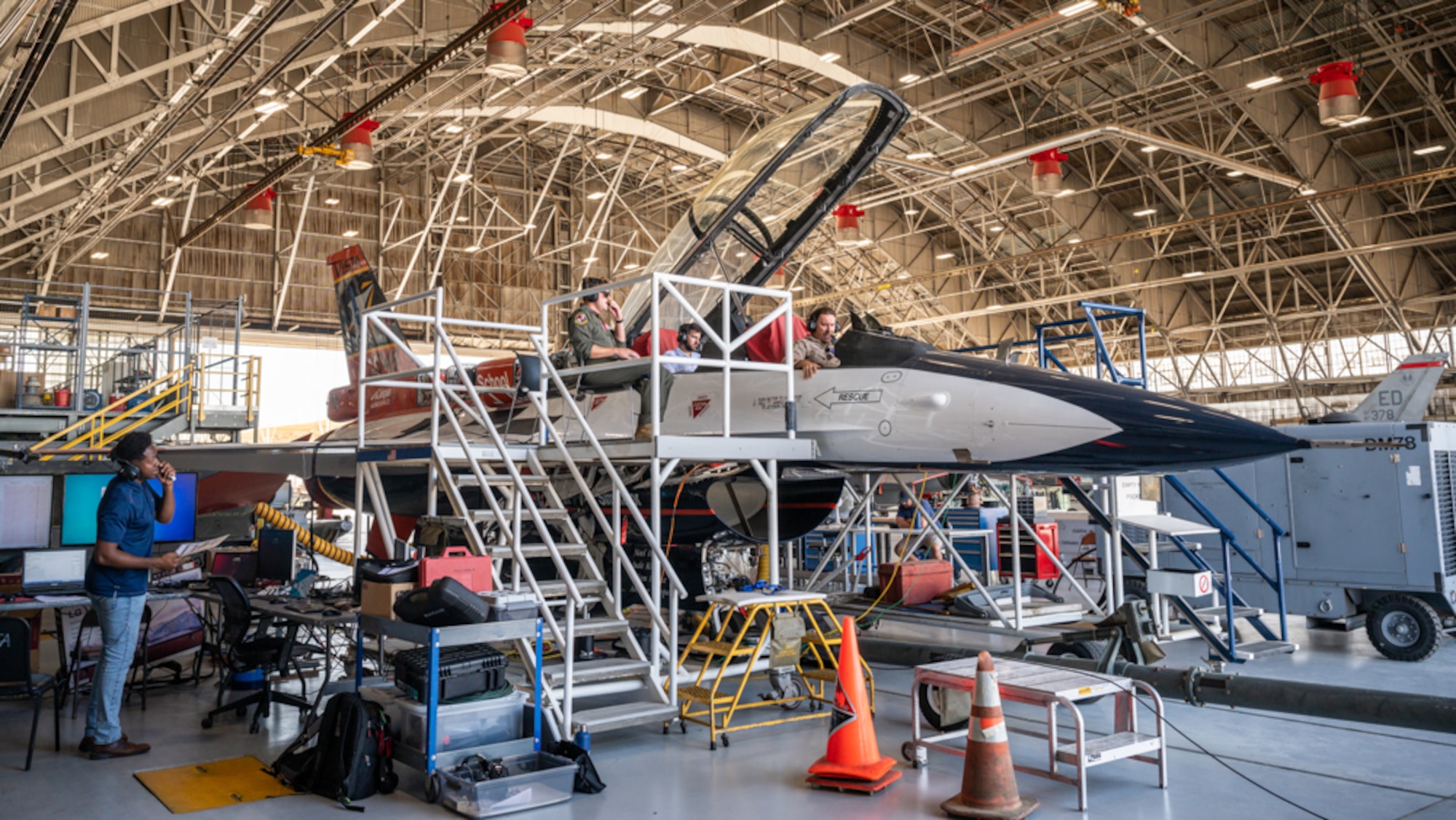
NASA’s ER-2 high-altitude research aircraft collects these cosmic grains by capturing them as they drift toward the sun after solar directional forces slow them down. This specialized collection method allows the agency to acquire particles that would otherwise be difficult to intercept in the upper atmosphere.
The agency’s expertise in this field is supported by long-standing programs, such as the cosmic dust collection efforts managed at the Johnson Space Center. These initiatives provide the necessary infrastructure to examine the mineralogy and isotopic signatures of extraterrestrial materials, helping researchers understand the chemical evolution of the solar system.
This research shows that water in the early solar system was not distributed or mixed uniformly. The isotopic differences preserved in these tiny particles tell us something important about how the solar system developed, and how the formation of the giant planets may have influenced the movement of material between its inner and outer regions.
Kevin McKeegan, UCLA Research Professor
This study builds on previous data, including samples from the Genesis mission launched in 2001. While the Genesis mission indicated that the Sun contains more ordinary oxygen-16 than Earth and most meteorites, the new analysis of Kuiper Belt dust provides a more direct look at the composition of the outer solar system’s hinterlands.
The team’s isotopic measurements indicate that this distant reservoir was effectively cut off from the mixing processes that defined the composition of the inner planets.