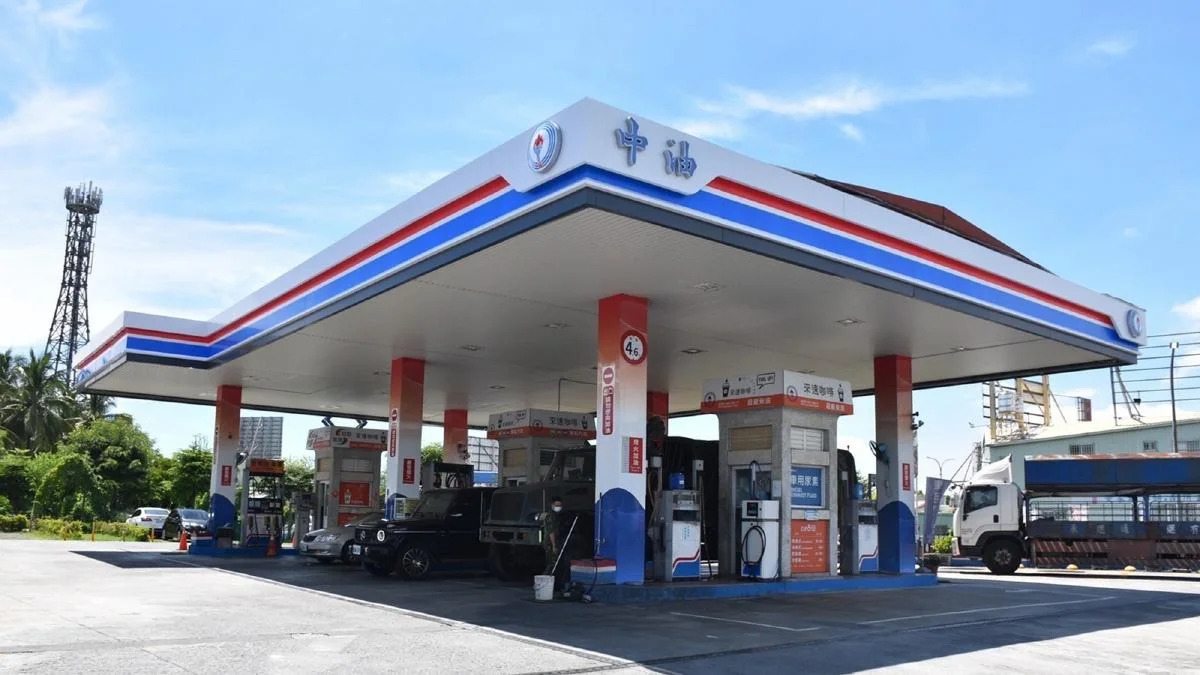
Taiwan CPC Corporation announced that domestic gasoline and diesel prices will remain unchanged for the week starting October 26, 2026, marking the sixth week of price freezes as rising international crude costs follow attacks on Saudi energy facilities.
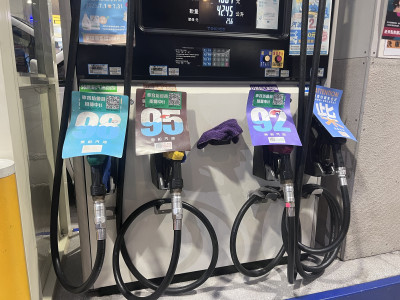
Drivers across Taiwan received a reprieve as Taiwan CPC Corporation confirmed that fuel prices will hold steady through November 1, 2026. Under the pricing structure, 92 unleaded gasoline stays at 31.2 New Taiwan Dollars per liter, 95 unleaded stands at 32.7 New Taiwan Dollars per liter, 98 unleaded remains at 34.7 New Taiwan Dollars per liter, and super diesel holds at 29.9 New Taiwan Dollars per liter.
Global Crude Pressures Force State Subsidies
The decision to freeze rates stems from escalating geopolitical friction and tightening supplies abroad. Taiwan CPC Corporation pointed to fresh attacks on energy infrastructure in Saudi Arabia alongside a third weekly drop in U.S. commercial crude inventories as the primary drivers behind surging global oil markets.
Meanwhile, analysts at Kpler Inc noted that Iran’s offshore floating oil storage in Asian waters was depleted by mid-October as American naval pressure and port enforcement halted shipments through the Strait of Hormuz, eliminating a major supply buffer for Chinese refiners and cutting off an important revenue stream as floating inventories dropped from roughly 90 million barrels in mid-July down to about 29 million barrels. To shield domestic consumers from imported inflation, the government expanded cargo tax reductions, absorbing 3.7 New Taiwan Dollars per liter on gasoline and 2.1 New Taiwan Dollars per liter on diesel. At the same time, the company continued its stabilization mechanism designed to keep Taiwan’s pump prices at the lowest level among neighboring Asian economies. For the upcoming week, the company is adding further absorption of 7.5 New Taiwan Dollars for gasoline and 9.3 New Taiwan Dollars for diesel.
The sustained intervention has placed a heavy burden on state finances.
| Fuel Type | Retail Price per Liter | Total Absorption per Liter |
|---|---|---|
| 92 Unleaded | 31.2 NTD | 11.2 NTD |
| 95 Unleaded | 32.7 NTD | 11.2 NTD |
| 98 Unleaded | 34.7 NTD | 11.2 NTD |
| Super Diesel | 29.9 NTD | 11.4 NTD |
When combining the cargo tax cuts and the special stabilization funds, the total financial offset reaches 11.2 New Taiwan Dollars per liter for gasoline and 11.4 New Taiwan Dollars per liter for diesel.

State Enterprises Seek Legislative Budget Support
As international tensions persist and Brent crude touches five-month highs, Taiwan CPC Corporation has pressed the Legislative Yuan to support a proposed budget allocation of 180.935 billion New Taiwan Dollars to recapitalize both CPC and Taiwan Power Company, arguing that state-owned enterprises need stronger balance sheets to maintain public welfare protections.
Management stated that officials will closely monitor international political and economic developments alongside supply and demand dynamics, continuing to adjust stabilization efforts in line with government price-control policies. The company recorded consecutive weekly price freezes for six weeks starting from the October 26, 2026 decision.