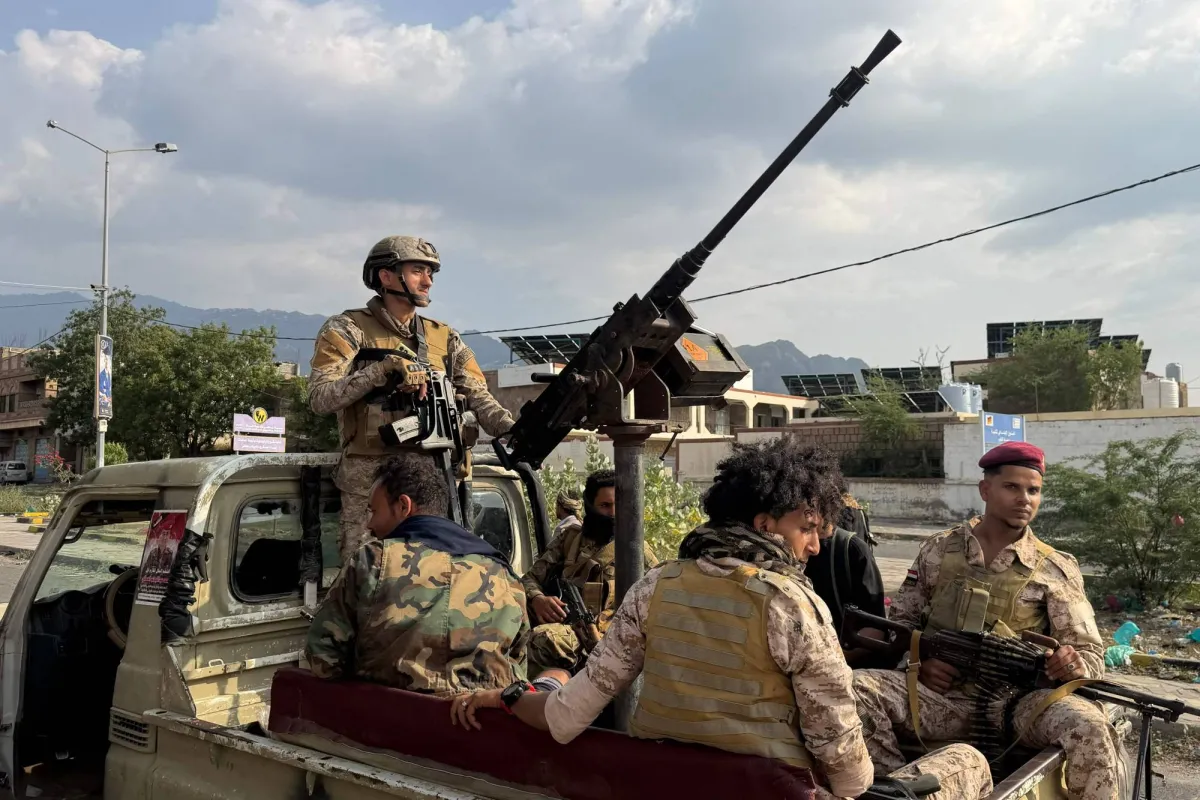
Severe supply blockades and rising civilian casualties in besieged Taiz accompanied fierce fighting and airstrikes across Taiz, Marib, and Al-Jawf on October 22, 2026, as Yemeni government forces pushed back Houthi attacks and international organizations warned of a deepening humanitarian crisis.
Yemeni Army Repels Houthi Offensives in Taiz
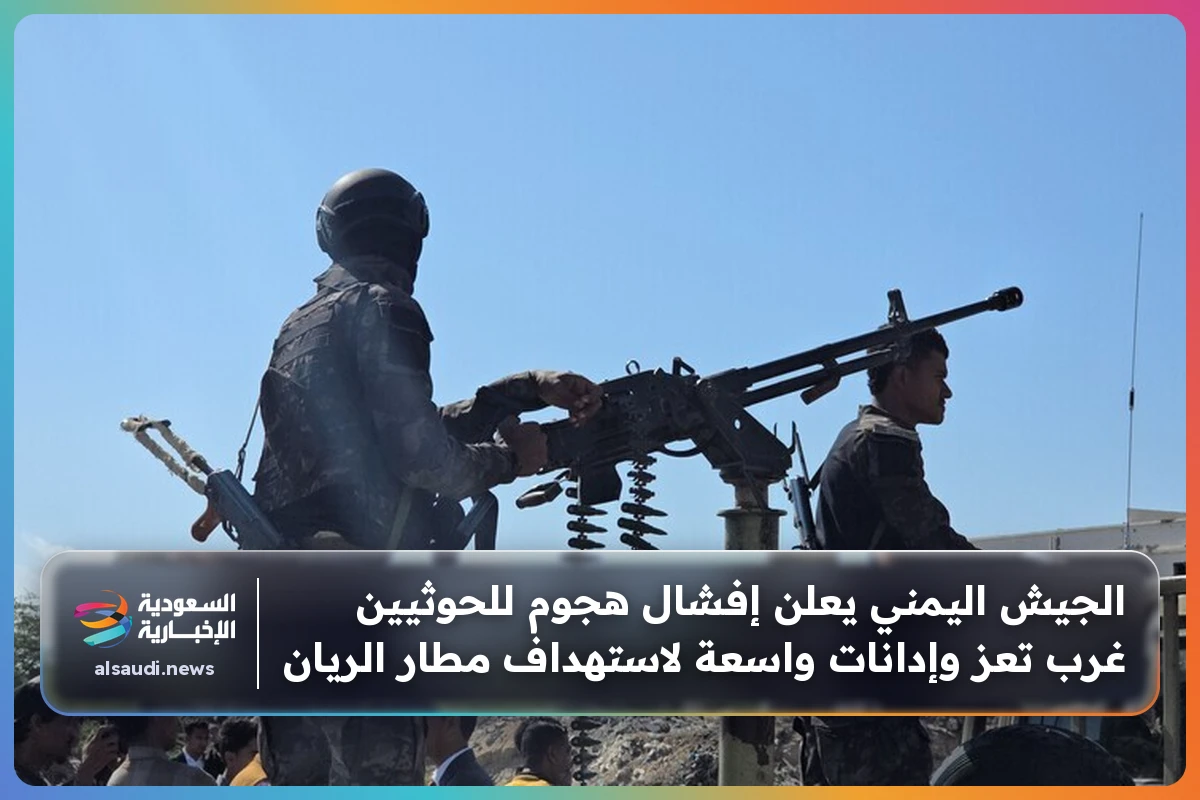
Heavy ground combat and airstrikes dominated the front lines in Taiz as the Yemeni army reported repelling coordinated Houthi offensives across multiple sectors.
إصابة 5 مدنيين بينهم طفلان بقصف وقنص حوثي في مناطق متفرقة بـ #تعز https://t.co/Ls2nwzyxdS
Military leadership stated that combat operations near the historic city center, including the Old Airport and Mudirat districts, spanned more than six hours of intense engagement.
The military command of the Taiz axis announced that operations alongside popular resistance fighters during a two-day period resulted in 129 Houthi fighters killed and 176 injured.
Fighter jets belonging to the Fourth Military Region carried out 13 air raids targeting Houthi combat positions, military vehicles, and weapon stores across districts such as Al-Sittin, Al-Jand, Al-Rubaie, Al-Dhabab, Al-Ma’afir, and Al-Misrakh.Drone units belonging to the Fourth Military Region also carried out air raids.
Government forces, backed by local popular resistance fighters, utilized artillery and armored units to counter advancing fighters. At the same time, military aircraft conducted precision strikes against Houthi military build-ups, rocket-launch platforms, and weapon depots located in the western, southern, and eastern perimeters of Taiz Governorate.
The armed forces’ warplanes launched a series of airstrikes during the past hours.
Rivalry Over Mount Han and Mountain Transit Arteries
Control over elevated terrain dictated the tactical rhythm of the clashes. Media reported conflicting field accounts regarding strategic Mount Han, where Houthi-affiliated channels published video footage claiming to have pushed government defenders out of the vital high ground. Military sources rejected those assertions, maintaining that government defensive positions on the mountain remained intact.
Taiz serves as the territorial bridge linking northern highland centers like Sanaa and Ibb with southern coastal hubs including Aden and Lahij. According to Saudi political science researchers, control over these mountain passes and transit arteries provides combatants with influence for future political negotiations regarding the Red Sea and the Bab el-Mandeb strait.
Municipal Services Fail in Besieged Neighborhoods
While military operations unfolded on the outskirts, residents inside Taiz faced acute civilian hardship stemming from prolonged blockades and restricted road access. Human rights monitors documented dozens of civilian casualties over a single week, while international bodies demanded immediate humanitarian corridors.
Amnesty International reported 51 civilian casualties, including deaths and injuries, within a single week, while urging Houthi authorities to immediately open arterial roads around Taiz. The UN Human Rights Office, through High Commissioner Volker Türk, called for an immediate humanitarian corridor into Taiz to alleviate shortages caused by road closures.
Stalled fuel deliveries and active firefights disrupted municipal services, preventing sanitation crews from reaching the city’s primary waste disposal site. With garbage accumulating across main thoroughfares, local sanitation workers resorted to burning refuse in the streets, creating thick plumes of smoke over residential blocks.
Taiz City | Day Three of the Siege | Besieged Taiz continues to fight back, but the pressure on the city and its civilian population is growing.We are receiving reports of fuel shortages, dwindling supplies of baby formula and sharp increases in food prices, with some goods… pic.twitter.com/39LadXHQa8
If we do not die from Houthi shelling, we will die from this amount of garbage.
Air Defenses Intercept Threats Over Saudi Territory
The fighting in Taiz coincided with military escalation across Yemen’s eastern and northern governorates. Government forces and allied militias reported exchanging heavy artillery and rocket fire with Houthi units near Marib and Al-Jawf, alongside counter-offensive maneuvers intended to relieve pressure on the central southern front.
Military spokespersons confirmed the interception of multiple unmanned aerial vehicles over Saudi territory, while transport ministries registered formal protests over recent infrastructure strikes targeting civilian aviation facilities in southern and eastern Yemen on October 22, 2026.
More on Houthi
Two Houthi field commanders were killed during clashes with government forces in Taiz, Yemen.Ahmed Abdulaziz Al-Alawi, known as Abu Jihad Alawi, died alongside 21 fighters from Amran. Manaa al-Ghuli a second field commander was also killed. pic.twitter.com/lJ9aFE8DgQ