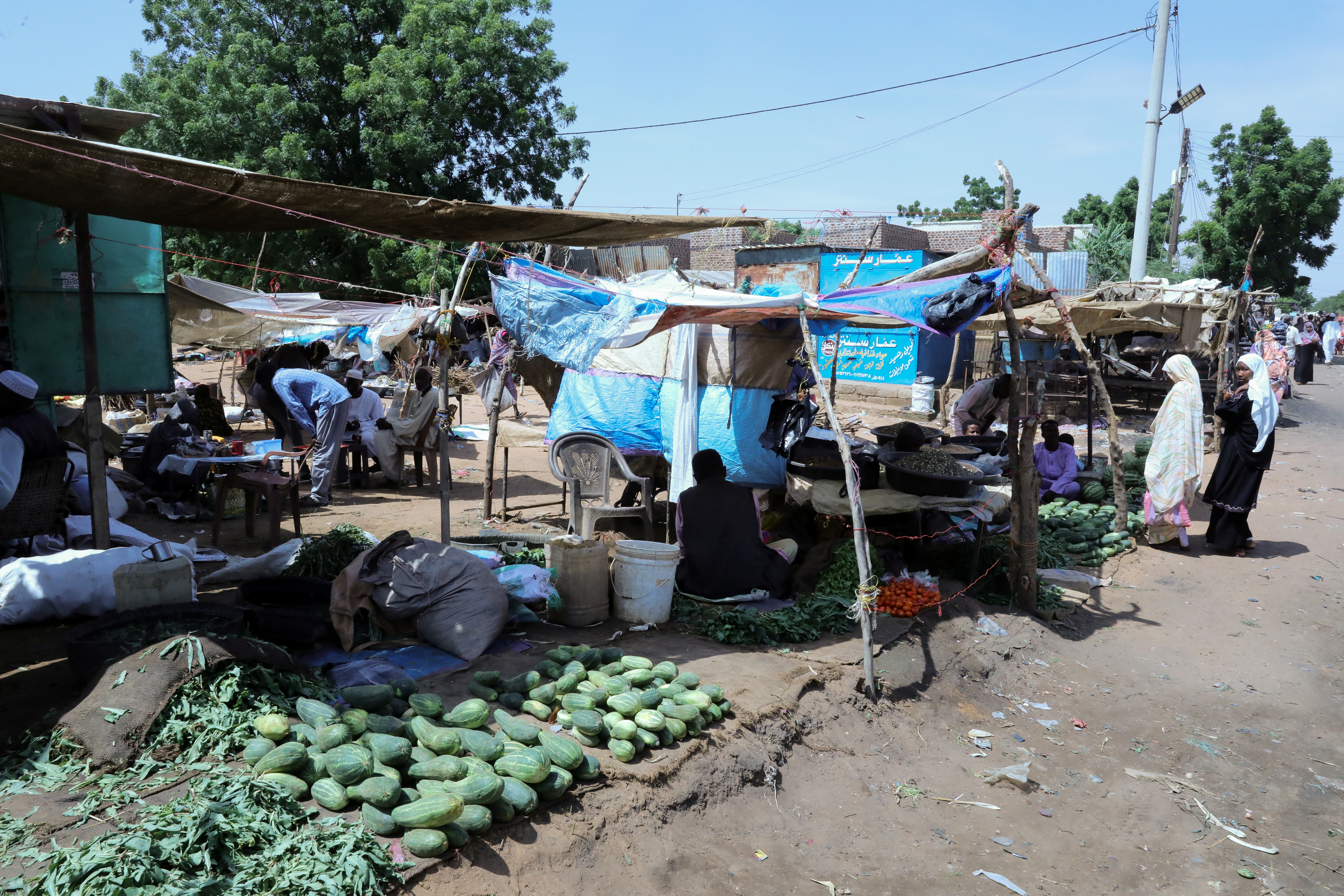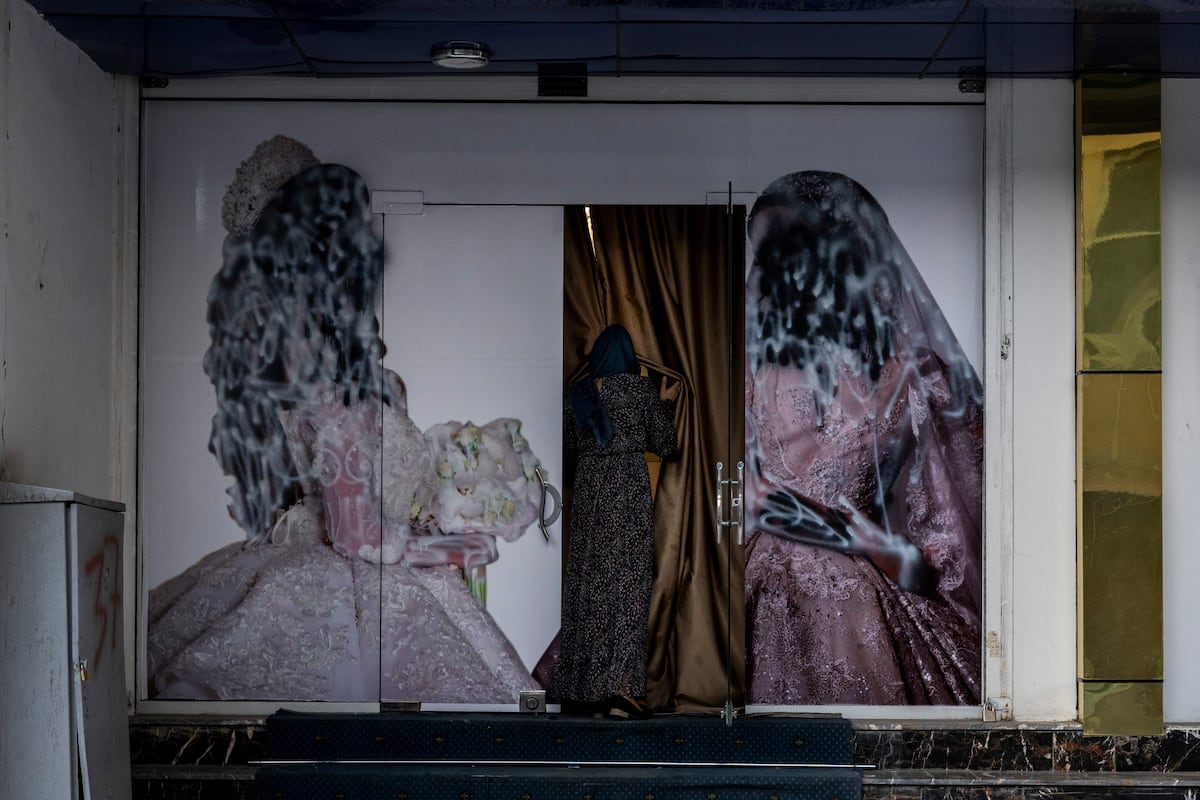
Taliban authorities in northern Balkh province have ordered government officials and healthcare workers “to stop using women’s first names” in official documents, hospital files, and medical prescriptions.
Under the directive, female names must be replaced with the generic label Bibi, a term traditionally used in Afghanistan as a form of address for women and commonly associated with an older woman or grandmother. In some instances, women have also been referred to using degrading animal-related terms, including “goat” or “cow”, according to reporting by international media citing local testimonies.
An investigation conducted by the Afghan news site in exile Zan Times and The Guardian newspaper revealed that the order was given around May. Protest journalists from Zan Times writing in the Guardian declared that in Afghanistan, the escalation of bans is reaching new heights of absurdity. The Afghan news agency DID Press also cited reports by El País detailing the removal of women’s names from official documents and medical records in the region.
Government employees and healthcare workers in Balkh have similarly been told to write Bibi instead of women’s names, or record their identities as so-and-so’s wife or so-and-so’s daughter. Activists warn that the directive sets a replicable precedent, though the order appears limited to Balkh for now, with no nationwide order confirmed.
Look at these two pictures carefully. The first shows Afghan women in 1970, living with freedom, confidence and the ability to choose how they wanted to dress and live. The second shows the harsh reality many Afghan women face today under Taliban rule. It's heartbreaking to see… pic.twitter.com/PNwM9eAF4A
Medical Records and Patient Safety Risks
The administrative shift extends directly into healthcare facilities, where medical prescriptions and patient histories are now filed under the blanket designation. Human rights advocates and health observers warn that removing individual identifiers from clinical records creates a severe risk of confusion.
When multiple patients share an identical generic term on hospital paperwork, verifying specific diagnoses, treatment histories, and drug dosages becomes exceptionally difficult. Observers note that such administrative hurdles compound existing barriers to healthcare access for women across the region. If several women are registered under the same generic name, identifying individual patients becomes difficult, raising the risk of confusion in medical records, prescription mix-ups, and treatment-related errors.
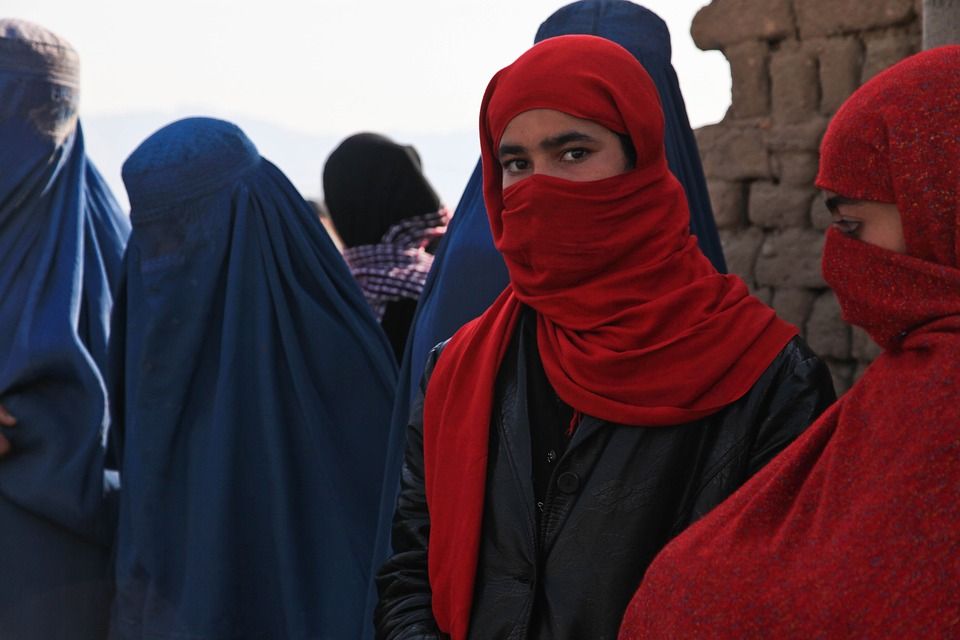
Correct treatment relies on precise records, but when all female patients share a single label on a document, the basic safeguards that prevent misidentification collapse. The wrong dosage, the wrong medication, or test results assigned to the wrong patient become impossible to catch through paperwork alone, creating severe dangers for clinical care.
Activist Pushback and Dehumanization Concerns
Activists have condemned the measure as a deliberate effort to erase female identity within public systems. Lalah Osmany, a Germany-based Afghan activist who launched the “Where is my name?” campaign in 2017, described the policy as a calculated process of dehumanization.
“This is a systematic process of dehumanization. When a regime replaces a woman’s name and gives her one of an animal, it is stripping her of her human soul and reducing her to a mere biological creature or the property of a man,” Osmany said.
Osmany’s prior grassroots advocacy successfully pressured the former Afghan government in September 2020 to allow mothers’ names to be voluntarily included on children’s birth certificates. In contrast, the current directive in Balkh removes personal names from official documents. Despite being warned that if she did not stop her campaign, that would be her fate, Osmany said she was afraid but it did not stop her.
She told El País that calling a woman by her real name in Afghanistan is an act of resistance. The timing of this report emerging around the International Day for the Elimination of Violence Against Women on November 25 has intensified scrutiny on the treatment of women in the country.
Activist Details Systematic Dehumanization Process
Germany-based Afghan activist Lalah Osmany told El País that testimony from women, doctors and civil rights activists indicates some women are also being referred to in degrading terms such as goat or cow. Osmany told the newspaper that this is a systematic process of dehumanization. Activists warn, even their very identities are under threat.
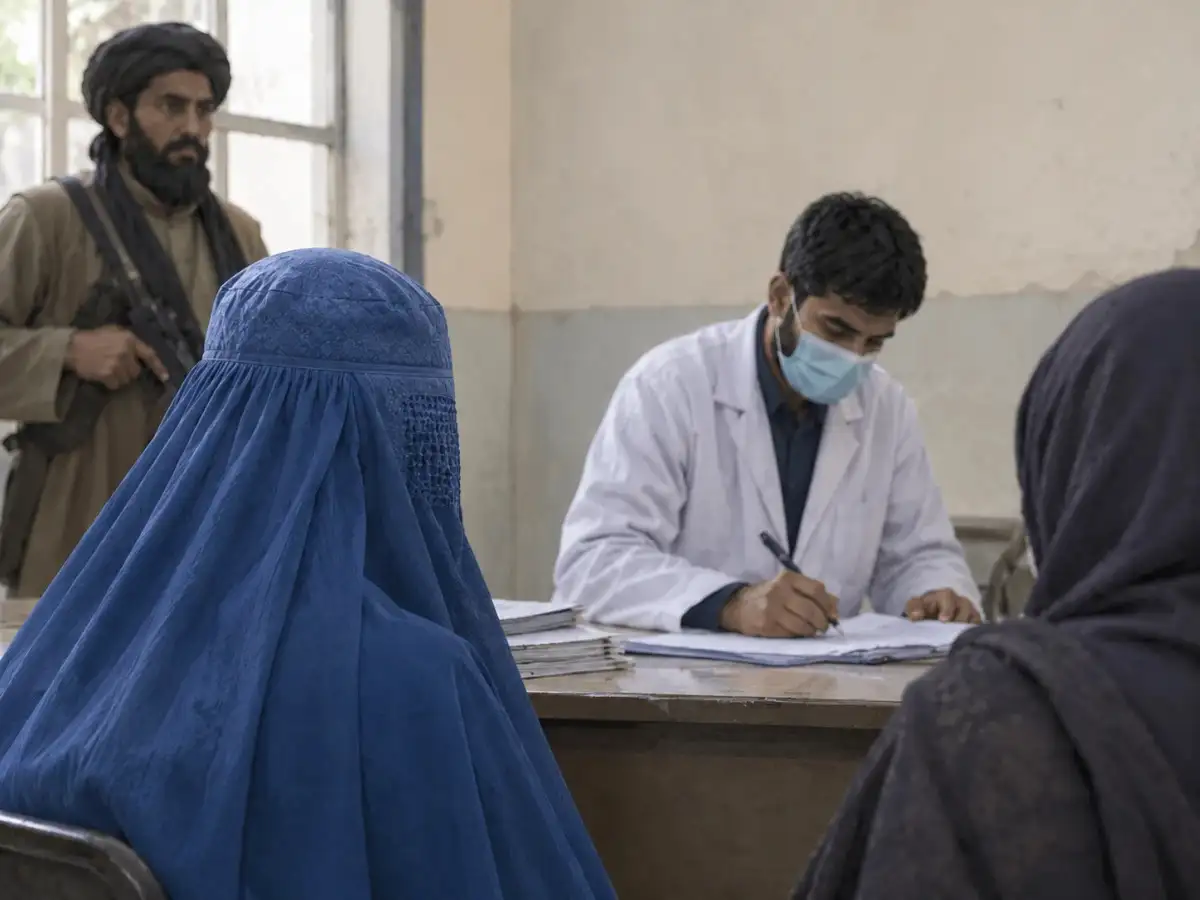
Osmany’s campaign managed in September 2020 to get the last Afghan government prior to the Taliban to approve the voluntary inclusion of women’s names in documents such as their children’s birth certificates. She was warned that if she did not stop this campaign, that would be her fate, but she says she was afraid, yet that did not stop her.
Wider Restrictions Undermine Medical Pathways
According to reports, the order came in May 2026.
The disappearance of women’s names from official records adds to restrictions on women’s lives. In December 2024, the Taliban banned women from training in medical fields.
Broader Restrictions on Afghan Women
The naming directive joins a growing list of restrictions enforced since the Taliban returned to power in August 2021. Women and girls have faced sweeping limitations on education, employment, and participation in public life.
Balkh is an ethnically diverse city in northern Afghanistan where Tajiks form the majority of the populace and Dari serves as the main language. Governed locally by Mayor Maulvi Mohammad Qasim Fazal Subhan, the city functions within a broader national framework shaped by the Emirate of Afghanistan, following its incorporation in 1850 under Dost Muhammad Khan.
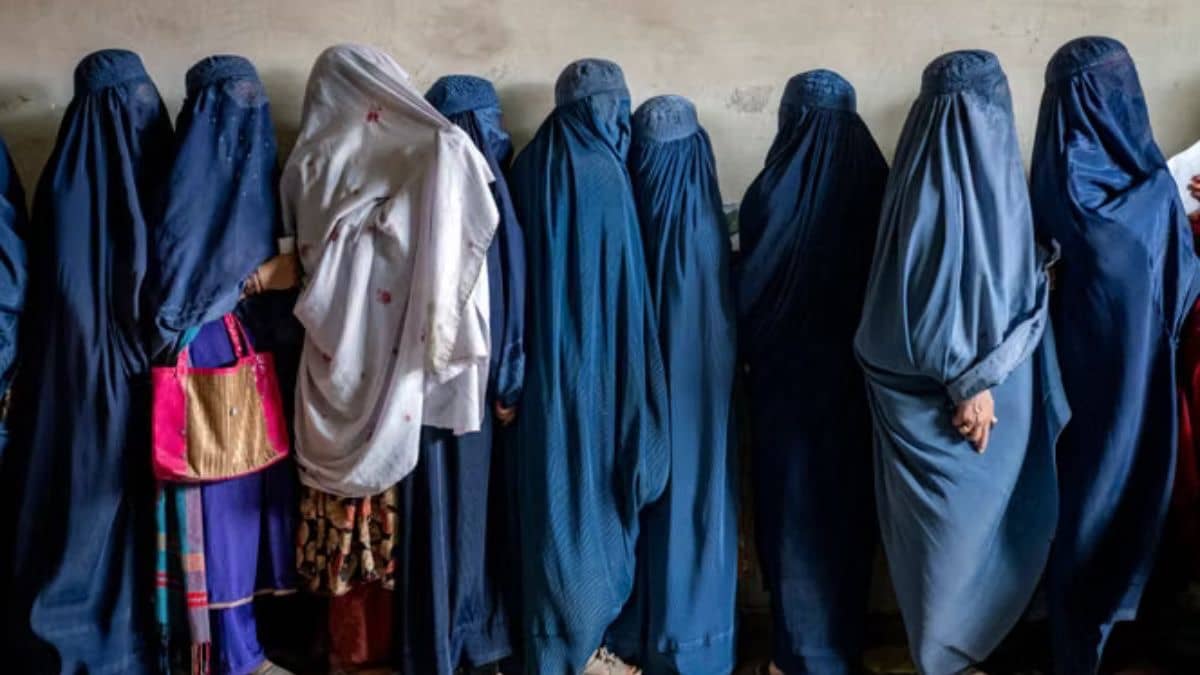
Zubaida Akbar, director of the Afghanistan program at the women’s rights organization Femena, warned that local edicts of this nature have historically served as trial runs before being expanded nationwide. Femena has documented more than 144 separate decrees curtailing the rights and freedoms of Afghan women. Women’s names have traditionally been omitted from some wedding invitations and gravestones. Before the Taliban retook Kabul in August 2021, women’s names appeared in passports and select legal documents.
Additional reports from The Guardian documented how male doctors and dentists in several Afghan provinces have been instructed not to examine or treat female patients, with security forces enforcing these restrictions through raids on dental clinics and warnings of imprisonment.
Women have also been barred from studying at medical institutes, while practicing female doctors are required to have a mahram, adding to the severe difficulties women face in accessing medical care.