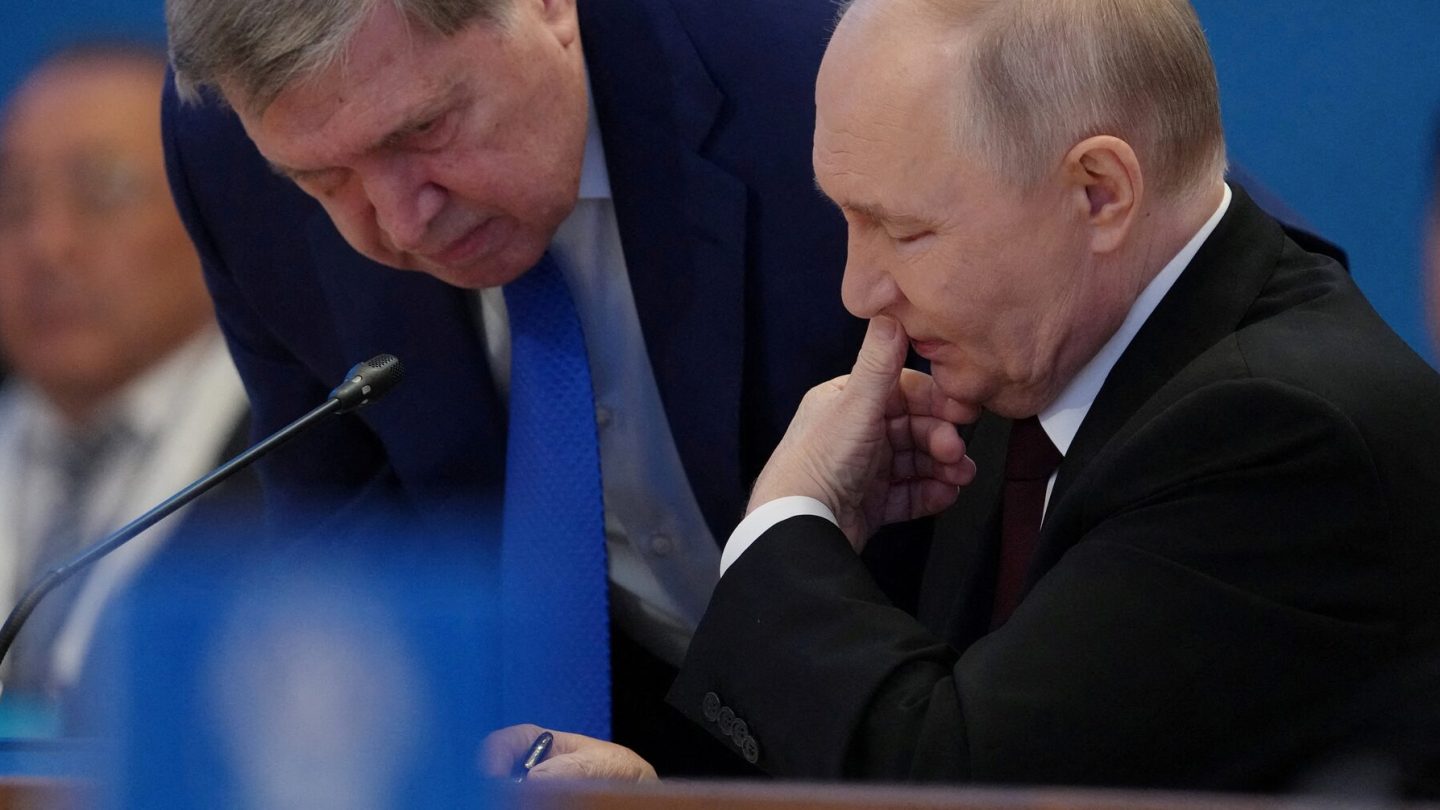
The Trump administration is discussing the lifting of sanctions on the Russian Direct Investment Fund (RDIF), Russia’s flagship state investment fund. Kremlin aide Yuri Ushakov confirmed the talks on October 28, as Washington weighs economic incentives to improve relations and end the war in Ukraine.
The Biden administration originally sanctioned the RDIF in 2022, labeling the multi-billion-dollar entity a slush fund
for Vladimir Putin and a symbol of Russia’s broader kleptocracy
. Now, the Trump administration is considering a reversal of years of U.S. economic pressure.
Dmitriev Negotiates Diesel Deal
Kirill Dmitriev, the head of the RDIF and a presidential envoy, is at the center of these negotiations. A U.S. official cited by Yahoo described Dmitriev as a helpful envoy
in efforts to improve US-Russia relations and help end the war.
Yuri Ushakov noted that Dmitriev has been active in his contacts, which is why the issue is currently under discussion. This conversation is going on,
Ushakov stated. It has been going on for a while. I don’t know what the outcome will be
.

Russia will provide more than 2 million tons of diesel to U.S. and world markets under a recent agreement managed by the RDIF. This deal temporarily lifted sanctions on Russian fuel to lower fuel costs. Russian Deputy Prime Minister Alexander Novak noted on October 28 that a fourth tanker of diesel was scheduled to depart that Wednesday.
Trump Tests Economic Incentives
The White House is testing whether commercial deals can incentivize peace. The administration hopes to convince Putin to end the invasion of Ukraine by signaling a mutually rewarding future relationship.
This approach has manifested in several ways throughout 2026:
- Executive Action: President Trump issued an executive order waiving key sanctions and tariffs, including penalties for buying Russian oil and gas, which were set to take effect under the Graham Act.
- Energy Incentives: The administration reportedly offered Russia options for economic incentives in exchange for an
energy ceasefire
with Ukraine. Other discussed deals include a separate arrangement with the Russian oil giant Lukoil, the advancement of a Russian-backed natural gas project in Alaska, and efforts to encourage Europe to increase its purchases of Russian gas.
Washington is also exploring a sanctions relief framework previously used with Belarus. John Coale, the current envoy to Belarus and nominee for Special Presidential Envoy for Hostage Affairs, has worked with Minsk for over a year on the release of political prisoners.
The U.S. Treasury Department is following standard procedures, requiring the RDIF to prove that the reasons for the original sanctions no longer apply.

Zelensky and Europe Clash With White House
Relations with Kyiv have hit a low point while the White House reaches toward Moscow. President Volodymyr Zelensky has accused the U.S. of throttling vital support and kowtowing to Putin.
Zelensky specifically accused officials of threatening to withhold military intelligence and slowing satellite internet coverage essential for drone operations if Ukraine did not agree to the energy ceasefire.
[Trump] speaks about it openly and loudly that he loves such people and he respects such people.
Volodymyr Zelensky, President of Ukraine, via The Daily Beast
The EU’s stance is hardening due to Russian sabotage efforts against critical infrastructure, such as a drone incident at Leipzig airport. This divergence from Washington creates a risk where American companies may face compliance conflicts between divergent American and European sanctions regimes.

Officials Warn Against Early Concessions
Eric Green, a former diplomat on the National Security Council, argued that lifting sanctions on the RDIF sends a real strong message that we are relaxing the previous position
that economic costs would remain until a settlement in Ukraine was reached.
Tension persists within the U.S. government. During a G20 meeting in North Carolina, Treasury Secretary Scott Bessent reportedly told Russian Finance Minister Anton Siluanov that economic cooperation cannot happen without peace in Ukraine.