Washington Puts the Brakes on Pax Silica Signing
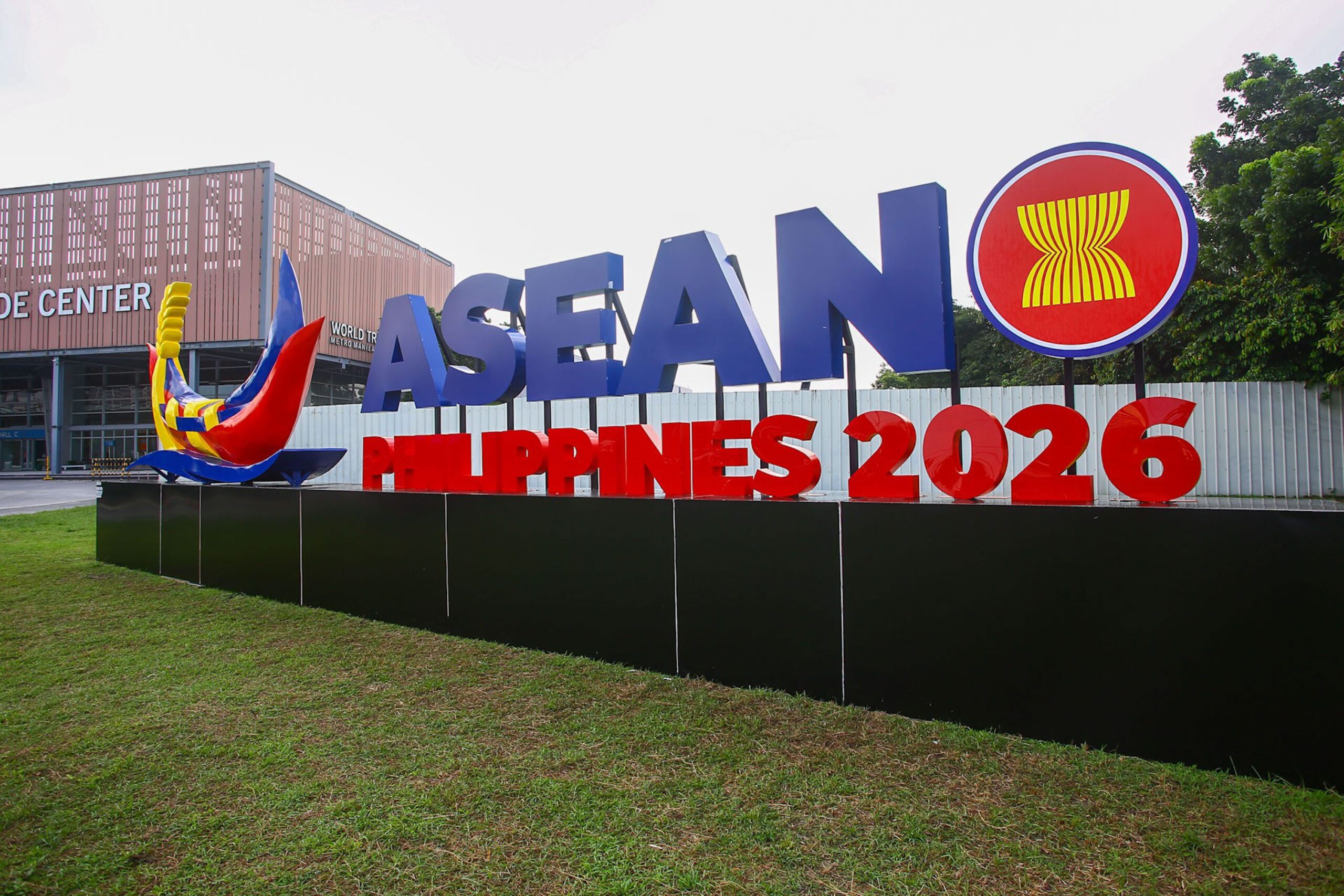
The Pax Silica Economic Security Zone, once whispered to be a centerpiece of the upcoming 49th ASEAN Summit in Manila, is officially off the table for this month’s agenda. US Ambassador to the Philippines Lee Lipton put the rumors to rest on Saturday, November 7, clarifying that no framework agreement for the massive industrial hub was ever scheduled for signing during the regional gathering, which runs from November 16 to 18.
For the residents in Capas, Tarlac, and the investors watching the Philippines’ manufacturing sector, the announcement brings a pause to a project that has sparked intense national debate. While the Bases Conversion and Development Authority (BCDA) had previously suggested the summit could serve as a venue for a major breakthrough, the US envoy emphasized that the process remains in a state of rigorous, ongoing consultation. “We look forward to working alongside the government of the Philippines about this exciting initiative to secure supply chains and attract quality investment in support of economic growth and jobs at home for the people,” Lipton said.
The Scope of the Proposed Industrial Hub
The Pax Silica initiative is designed to be a sprawling 1,620-hectare industrial hub in New Clark City. According to the BCDA, the facility is envisioned as an industrial hub for artificial intelligence, semiconductor manufacturing, and advanced technologies, with the potential to attract up to US$70 billion in investments. Proponents, including President Ferdinand R. Marcos Jr., have pitched the hub as a vehicle for the country to strive for bigger and greater things, with the project expected to create as many as 190,000 direct jobs.
However, the project has faced mounting scrutiny. Critics have expressed alarm over the potential for ecological degradation, the displacement of indigenous Aeta communities, and the immense strain such a development would place on the Luzon energy grid. While the government has stated that there will be no AI hub, concerns regarding land use and resource consumption persist.
Consultation Over Ceremony
The discrepancy between the Palace’s expectations and the US Ambassador’s statement highlights the complexities of international economic cooperation. Earlier in the week, Palace Press Officer Claire Castro suggested that a draft framework had been submitted to the US, noting that the Philippines was waiting for a response from Washington. Castro confirmed that the BCDA and the Department of Trade and Industry had submitted a joint memorandum to the Office of the Executive Secretary. “The BCDA has met with the Office of the President — through the Office of the Executive Secretary regarding a memorandum submitted jointly with the DTI,” Castro said. BCDA President and CEO Joshua M. Bingcang had also noted in recent days that he was no longer involved in setting a timeline, indicating that the project’s momentum had shifted away from the agency’s immediate control. “Nothing concrete, nothing is finalized,” Bingcang said.

Decisions will be made in full consultation with the government of the Philippines at the appropriate time. As stated previously and as part of this process, we expect rigorous discussions on impacts to all stakeholders.
This statement, delivered by Ambassador Lipton, shows a deliberate shift toward due diligence. With no framework agreement for the Pax Silica Economic Security Zone planned for the ASEAN Summit, the US has signaled that decisions will be made in full consultation with the Philippines following rigorous discussions on impacts to stakeholders.
The Path Forward for New Clark City
For now, the project remains in a state of administrative limbo. While the Palace has offered assurances that residents within the “buildable zone” will receive financial assistance and that land outside that zone is reserved for Indigenous peoples, the local anxiety remains palpable. The BCDA has conducted consultations in Capas, yet the lack of a firm timeline leaves the future of the 1,620-hectare site uncertain. Castro noted that of the more than 6,000 hectares designated for the broader initiative, only a little over 3,000 hectares fall within the buildable zone. “If they (locals) are located within the buildable zone, they will not be left to fend for themselves or lose their place to live,” Castro said.
US envoy: No announcement on Pax Silica during ASEAN Summit By Joyce Ann Rocamora MANILA – No major announcement on the Pax Silica Economic Security Zone in Luzon is being planned for the upcoming 49th Association of Southeast Asian Nations (ASEAN) Summit which United States… pic.twitter.com/rO3Dl9Gv0o
More on Summit
US Ambassador to the Philippines Lee Lipton on Saturday said no announcement on the proposed Pax Silica Economic Security Zone was planned during or after the 2026 ASEAN Leaders’ Summit in Manila this month.https://t.co/i2RLur6O2I
READ: US Ambassador to the Philippines Lee Lipton denied on Saturday that an announcement on the Pax Silica Economic Security Zone was planned during or after the Asean Leaders’ Summit in Manila this month. Lipton said decisions on the initiative would be made in consultation… pic.twitter.com/L9DYcoaZPB
NO ANNOUNCEMENT ON PAX SILICA READ: US Ambassador to the Philippines Lee Lipton said no announcement on the Pax Silica Economic Security Zone was planned during or after the Asean Leaders’ Summit in Manila this month. #CDNDigital 📷: US Embassy in the Philippines/FB For more… pic.twitter.com/l8hkr0HCfT
United States Ambassador to the Philippines Lee Lipton on Saturday clarified that the US has no plans to announce the proposed Pax Silica Economic Security Zone during or after the Association of Southeast Asian Nations (ASEAN) Leaders’ Summit in Manila this month. In a… pic.twitter.com/p04PXfcsIh