The United States administration is considering lifting sanctions on Russian shadow fleet tankers and the Russian Direct Investment Fund.
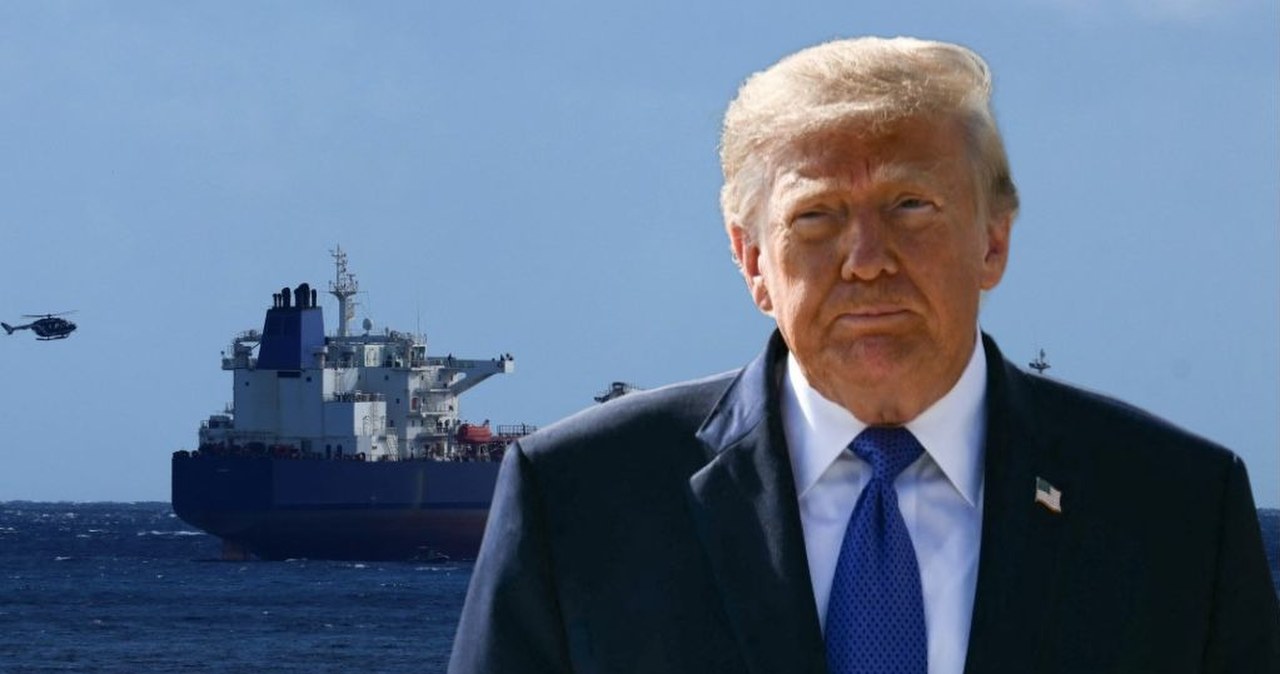
Washington is exploring adjustments to its economic restrictions against Moscow. According to reports from Reuters, the administration is considering enabling previously sanctioned tankers to transport oil and petroleum products not subject to US restrictions. Officials maintain that this aims to increase the availability of vessels and lower maritime transport costs. As noted by the Kyiv Independent, Ukrainian officials believe the White House is preparing agreements concerning the Russian fertilizer industry, which could involve lifting restrictions.
Fleet Modernization Plans
The administration is considering allowing previously sanctioned vessels to rejoin international commerce for non-restricted goods. The government is engaging with private investors interested in purchasing immobilized tankers, upgrading them, and returning them to compliant service. It was previously reported that on the beginning of October, US Donald Trump eased sanctions toward Belarusian fertilizers. The Belaruskali concern is one of the largest producers of potash fertilizers in the world. The first shipment of Belarusian potash fertilizers arrived in the US in mid-October.
The shadow fleet has been used by Moscow to bypass Western restrictions on oil exports since the beginning of the Russian invasion of Ukraine in 2022. Elisabeth Braw highlighted the importance of unity among European allies of Ukraine and cooperation with Japan, Australia, and Canada. She noted, however, that the possibilities of acting without Washington will remain much smaller than in the case of joint enforcement of sanctions.
Kirill Dmitrijew and Russian Direct Investment Fund Proposals
Alongside maritime adjustments, the White House is evaluating a request to lift sanctions on the Russian Direct Investment Fund. The fund is led by Kirill Dmitrijew, an envoy for Vladimir Putin who has participated in bilateral talks with American negotiators. The administration of Joe Biden previously designated the fund as a corrupt entity that symbolized a broader kleptocracy, whereas a United States official cited by the New York Times praised Dmitrijew as a helpful envoy in peace discussions.
Negotiators have tied these economic overtures to broader discussions covering energy supplies, fertilizer exports, and foreign assets belonging to Lukoil. According to reports from journalist Aleks Raufoglu of Radio Liberty via Espreso.tv, these negotiations also encompass potential stakes in the Sakhalin-1 oil project, reinstating American airline access to Russian airspace, and co-managing the Zaporizhzhia nuclear power plant. Analysts emphasize that while Washington pursues these commercial channels, the diplomatic divergence risks widening the strategic gap between the United States and European capitals.
Expert Warnings on Enforcement and Transatlantic Friction
Foreign policy analysts warn that relaxing pressure on Russian shipping and finance will benefit state revenues. Elisabeth Braw noted that the possibilities of acting without Washington will remain much smaller than in the case of joint enforcement of sanctions. Without the support of the United States, it will be harder for EU countries to bear the costs and risks of such operations, warns Carpenter.
Ben Harris remarked that easing these restrictions would make it easier for Russia to sell oil at market prices and bolster its public finances. He reminds that the effectiveness of American sanctions results largely from the possibility of cutting off states and enterprises from the US financial system.