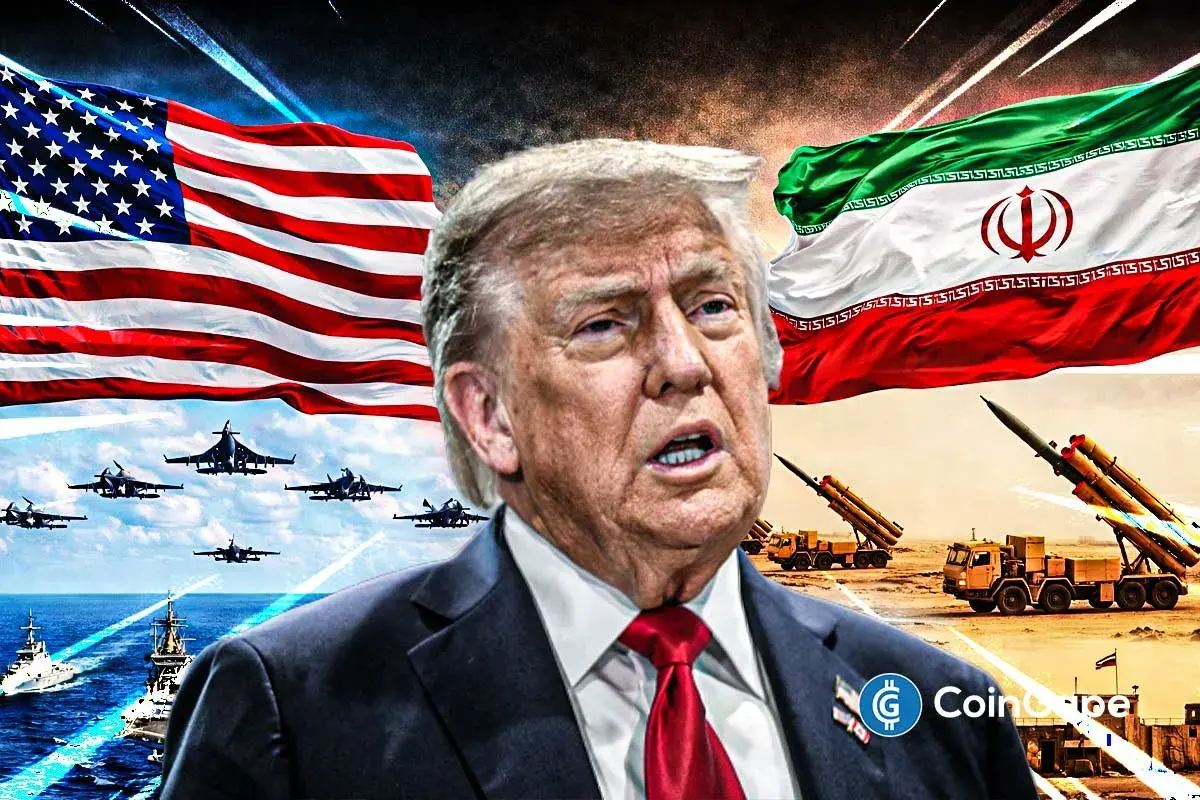
US and Iranian intermediaries are trying a new plan to prevent war. The US is also issuing new sanctions on oil traders and denies recent military fights in the Persian Gulf.
Washington Pursues Diplomacy and Sanctions
President Donald Trump said he wants a permanent agreement with Iran. He wants to stop future administrations from changing nuclear policies.
The US Treasury Department issued new restrictions. They targeted Iranian oil traders and people helping the government sell petroleum abroad.
Tehran and Washington Trade Warnings
Iranian Foreign Minister Abbas Araghchi said indirect communications continue through intermediaries. He said the standoff is neither conflict nor peace.
Qatari delegations held discussions in Tehran. Jared Kushner met with senior Qatari officials in Berlin on November 19 to coordinate mediation efforts.
President Trump expressed skepticism about these proposals. He warned on November 20 that he is prepared to use force again if Iran fails to sign a substantive and durable agreement. He said Tehran has been dishonest for over five decades.
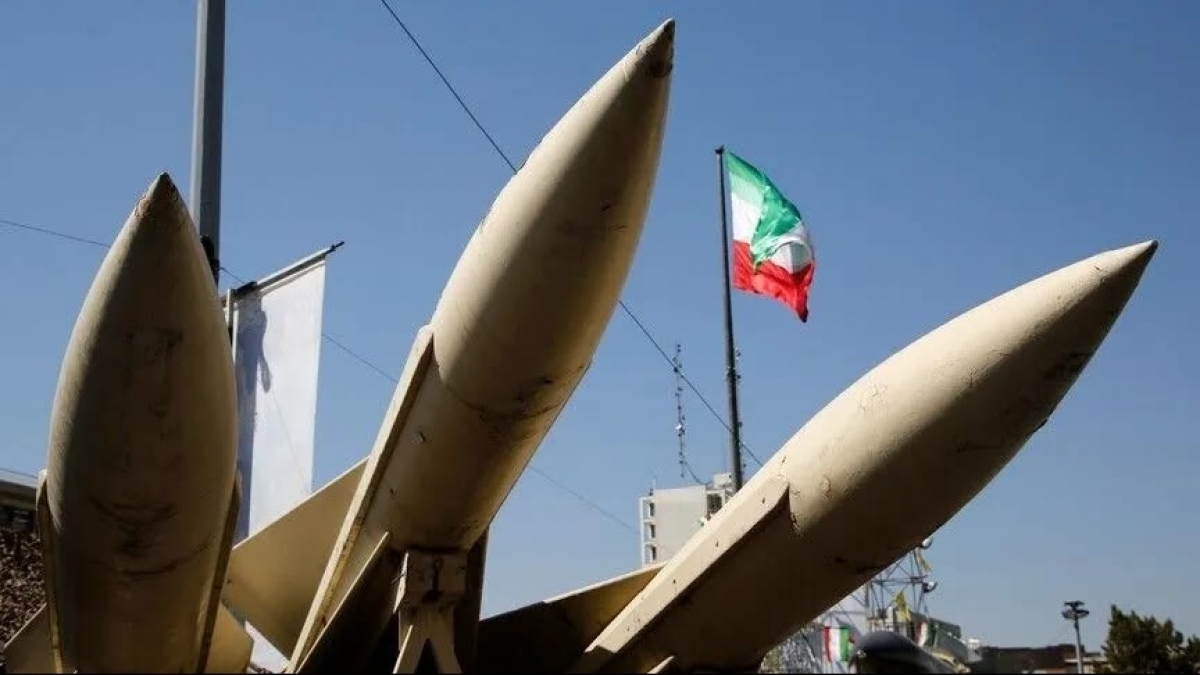
“Tôi sẽ trao đổi với các bạn về vấn đề này sau khi bước sang năm mới” President Donald Trump told Reuters said.
“I will reach a long-term deal. I will not let anyone allow Iran to have nuclear weapons,” Donald Trump told Fox News.
Donald Trump, US President
Iran Defends Nuclear Enrichment Limits
Iranian officials say keeping high-level enriched uranium within their borders is non-negotiable. The International Atomic Energy Agency (IAEA) estimated that Iran possessed 440.9 kilograms of 60% enriched uranium at the time of the June 2025 strikes against its nuclear facilities.
The Iranian Foreign Ministry says any framework must respect sovereign nuclear parameters. Foreign Minister Araghchi said on November 20 that intermediaries proposed removing the enrichment stockpile. He said this is outside the scope of negotiation.
A memorandum previously reached in Islamabad is no longer on the table. Iran is open to reopening the Strait of Hormuz if its conditions are met.
The US military conducted airstrikes in the Qeshm Island area within Iran’s Hormozgan province on November 17. Ahmad Nafisi, the Deputy Governor of Hormozgan for political, security, and social affairs, said these strikes caused no damage to residential areas, commercial hubs, or critical infrastructure.
US officials said these were “defensive strikes” targeting IRGC missile launch infrastructure. They cited self-defense against threats to US personnel.
Congress Debates War Powers and Regional Risks
The Senate voted 51-49 on November 19 to reject a war powers resolution to end military operations against Iran. Three Republican senators—Lisa Murkowski, Susan Collins, and Rand Paul—voted with Democrats for the resolution.
Democratic Senator John Fetterman voted against it. Senator Chris Murphy was absent.
Republican Senator Tim Sheehy defended the campaign. He said the US cannot ignore the threat from Iran. Democratic opponents said the midterm election results indicated public dissatisfaction with the ongoing conflict.
Republicans will lose control of both chambers of Congress in January 2027. Democrats said they will continue to push for restrictive measures. They plan to use budget approval authority to pressure the administration.
Israeli officials, including Mossad Director Roman Gofman and IDF Chief of Staff Eyal Zamir, continue to monitor Iranian capabilities. They expressed concern over the relocation of nuclear infrastructure underground.
Abbas Araghchi, who was born in 1962, brings a background that spans both combat and extended diplomatic service. Prior to his career in foreign affairs, he served for nine years in the Islamic Revolutionary Guard Corps and fought in the Iran–Iraq War. His international experience includes previously serving as the Iranian ambassador to Finland, Japan, and Estonia.
Military planners warned that maintaining a large-scale presence in the Middle East could degrade US combat readiness if the current impasse persists into 2027. This follows a 2026 period where US forces maintained a continuous deployment in the region.