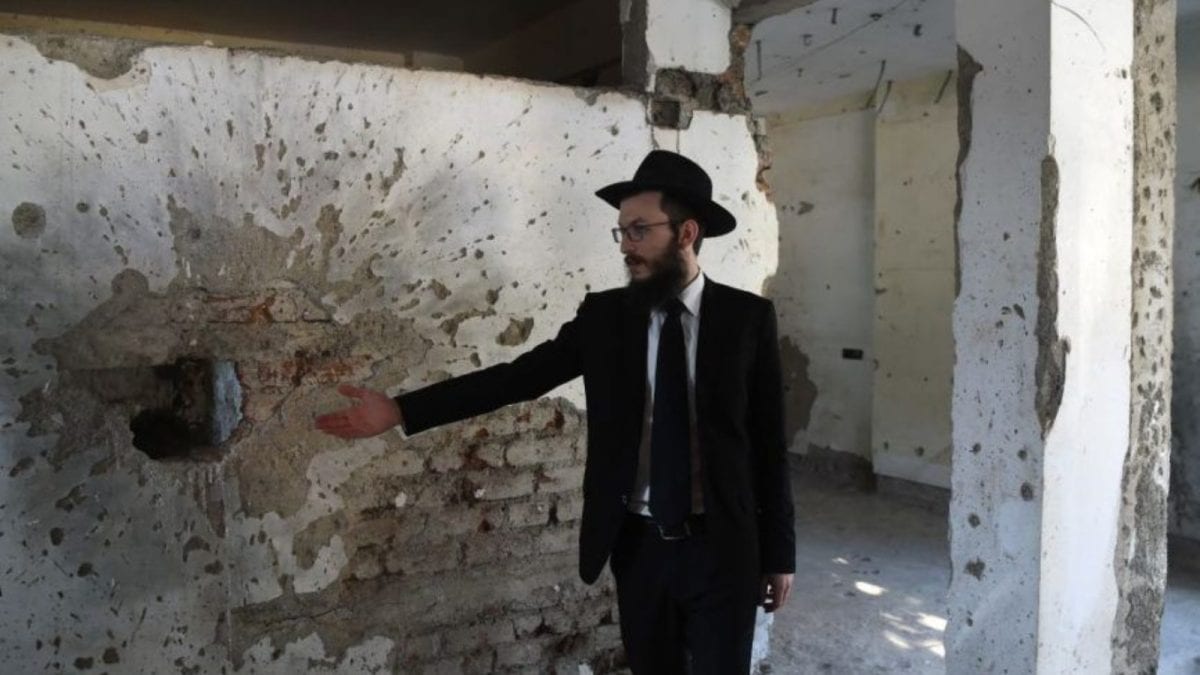
A 20-year-old Navi Mumbai resident was arrested on Saturday for allegedly conducting reconnaissance of sensitive locations in the city, including the Chabad House in Colaba, a Jewish religious and cultural centre that was one of the targets of the 26/11 Mumbai terror attacks.
The suspect, identified as Yash Singh from the Airoli area, came under the radar of the Maharashtra Anti-Terrorist Squad after intelligence inputs flagged his social media interactions with anti-national handlers. Investigators state that Singh was working at the behest of international criminal networks and subversive elements.
Authorities report that the accused collected photographs, vehicle registration details, and precise geographical coordinates of Jewish citizens, foreign nationals, and their businesses. His assignments included photographing and pinpointing the exact locations of the Chabad House, also known as Nariman House, in the Colaba neighborhood.
According to police statements, the young man admitted during questioning that he received monetary compensation for carrying out these surveillance tasks. Officials from the Anti-Terrorist Squad have publicly urged parents and young citizens to exercise caution when dealing with strangers on online platforms, warning against sharing photographs or details of sensitive installations for financial rewards.
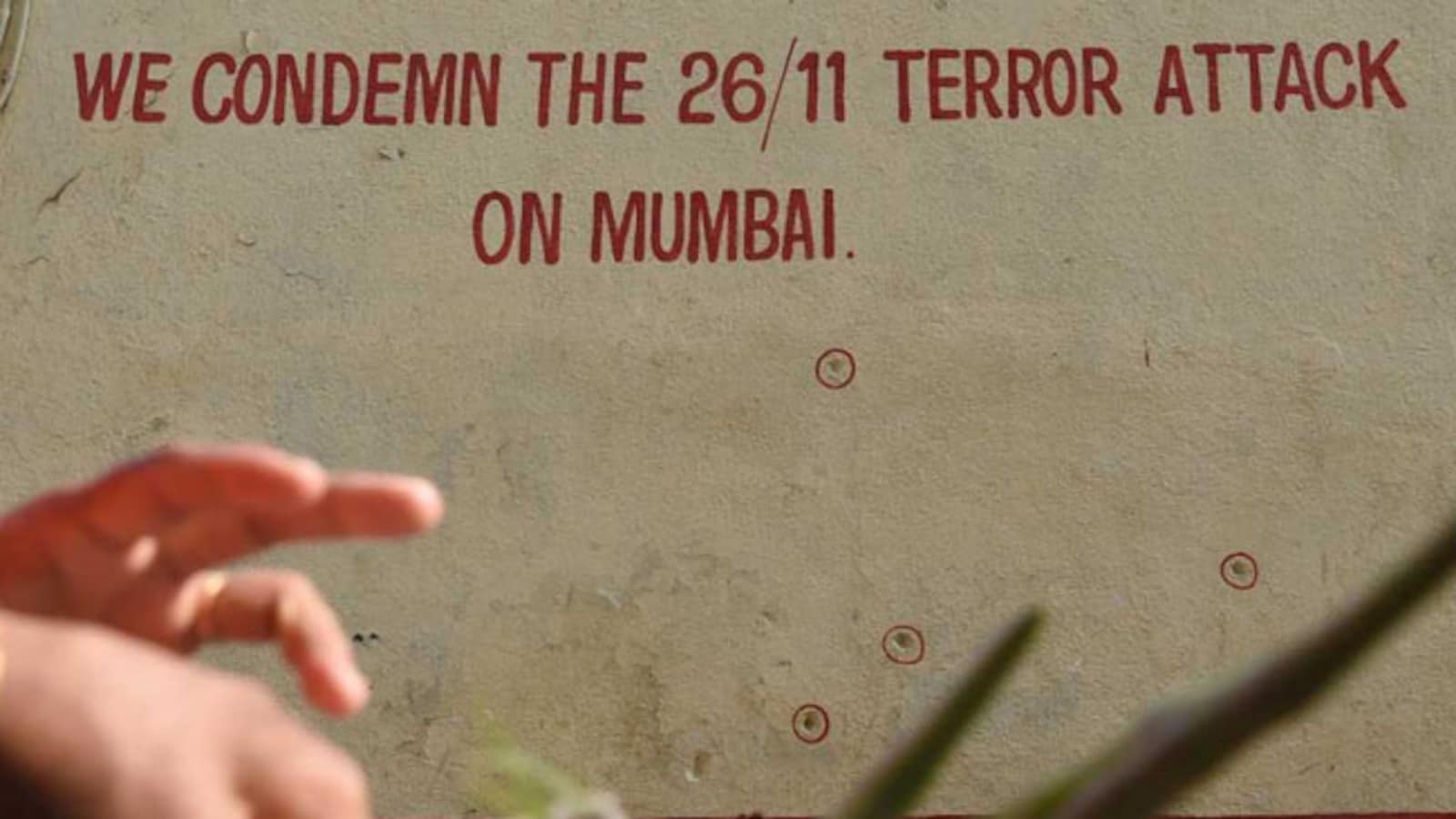
While interrogating Singh, the Maharashtra Anti-Terrorist Squad discovered that his communications linked him to an existing case registered under the stringent Unlawful Activities (Prevention) Act (UAPA) by the Thrissur East police station in Kerala.
During Singh’s interrogation, it came to light he was in contact with an accused in a case registered by Thrissur police in Kerala following which we alerted them.
an official, via The Indian Express
Following that alert, a team of Kerala Police officers travelled to Navi Mumbai, examined the conspiracy links, and formally took Singh into custody after his interrogation by the state anti-terror unit.
Investigators examining the communication channels point to overseas syndicates using messaging platforms like Telegram, Instagram, and WhatsApp. According to security agencies, networks such as the Pakistan-based Shahzad Bhatti Network target unemployed and financially vulnerable young people. These operatives reportedly offer money in exchange for carrying out reconnaissance tasks and gathering sensitive intelligence.
Security officials describe Shahzad Bhatti as a Pakistani-origin gangster operating a terror-gangster network. Law enforcement agencies report having busted multiple modules allegedly handled by Bhatti, noting that such syndicates rely on ordinary young men with phones who are short on cash and willing to run errands for online strangers.
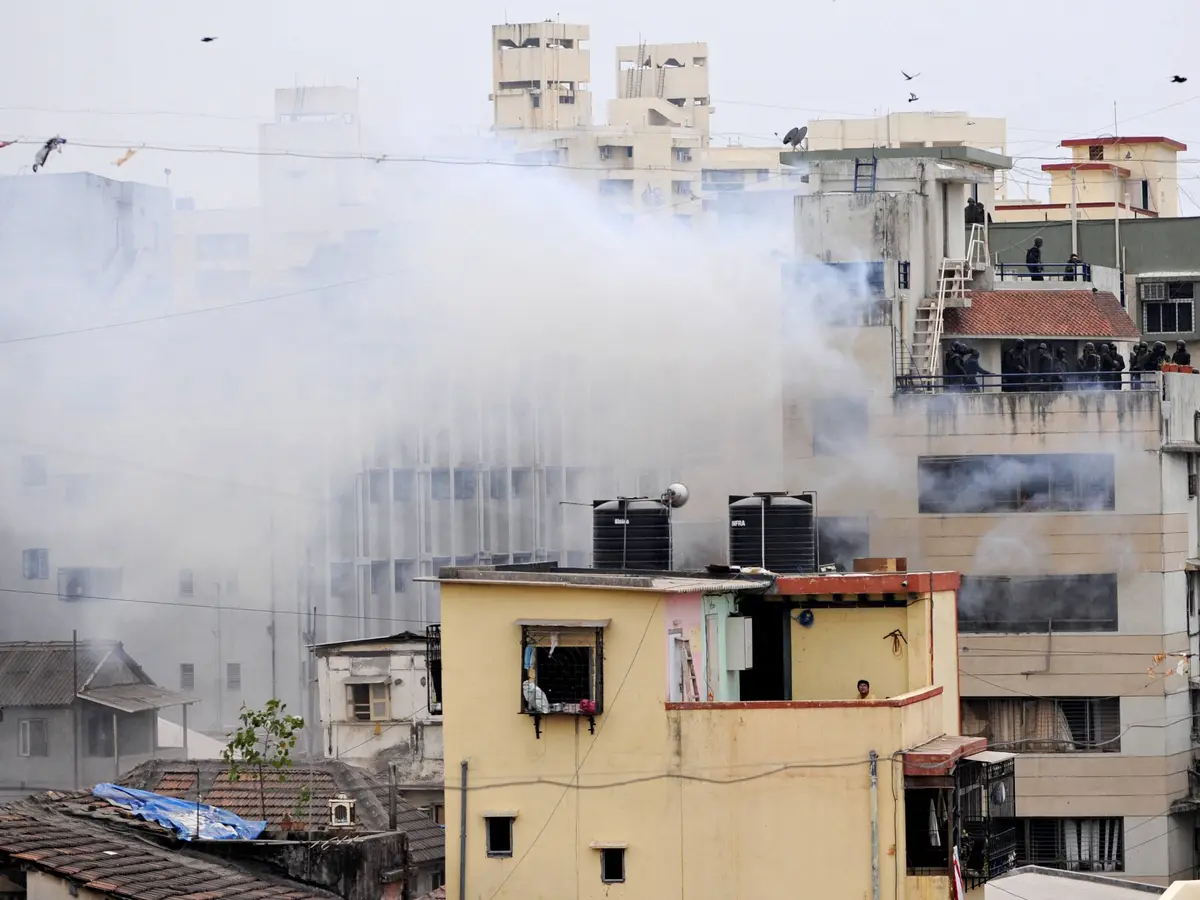
The arrest arrives less than two weeks before the 18th anniversary of the November 26, 2008 attacks. The assault across the city ultimately left 166 people dead and around 300 injured.
At the Chabad House specifically, two gunmen took control of the building and held residents and visitors hostage. The tragedy claimed the lives of the centre’s Rabbi Gavriel Holtzberg, his pregnant wife Rivka Holtzberg, four other Jewish visitors including two Israelis, an American, and a Mexican, alongside Indian security personnel.
The couple’s two-year-old son, Moshe, survived after being rescued by his Indian nanny, Sandra Samuels, and was subsequently flown to Israel days after the attacks.
In response to the recent surveillance arrest and the upcoming anniversary, Chabad’s CWA Emergency and Security Center has called upon Shluchim worldwide to increase their vigilance and review security protocols at Chabad houses. Meanwhile, investigators continue to examine the full extent of Singh’s foreign connections, though authorities have not yet publicly established whether he was involved in plotting a direct attack on the Jewish community centre.