The End of Mouria: Historic Athens Cafe Closes as Exarchia Gentrifies
Christos Vanas and his daughter Areti will close Mouria on Sunday, ending a 44-year run for the historic Athens cafe that served as a long-standing gathering place for writers, artists, politicians, and radicals in the leftwing neighbourhood of Exarchia.
Every day at 7am, the taciturn former waiter has been the first man to step inside the institution on the corner of Charilaou Trikoupi and Kallidromiou streets. The closure marks the final act in a drama that began with the expiry of the premises’ lease last summer.
A Neighborhood Sanctuary Faces Corporate Pressures
For decades, the cafe remained a steadfast fixture in a district redolent of anti-authoritarianism and leftwing solidarity, tracing its spirit back to the 1974 Athens Polytechnic uprising that contributed to the collapse of rightwing military rule. But with tourist numbers in the Greek capital more than doubling over the last decade, the neighbourhood has been discovered by investors catering to the tastes and needs of foreign visitors.
“We were like the last fortress here,” Areti said, noting that the establishment refused to raise prices, alter its menu, or serve Aperol spritzes and cafe lattes. “You could be anywhere.”
“It will be as if a friend died,” sighed Nontas Papayannis, a retired barrister who has frequented the cafe for the past 20 years. “Another change to Exarchia, but also another loss in a Greece that is dying before our eyes.”
Papayannis and 83-year-old retired actor Stelios Goutis were among 7,500 signatories on an online campaign urging the Greek culture ministry to declare the cafe a protected heritage site. The ministry failed to intervene as the building’s owners announced they would not be renewing its tenancy.
Broader Decline of Traditional Kafeneia Across Greece
Mouria’s disappearance mirrors the wider fading of traditional Greek coffee houses, or kafeneia, which once anchored communities across villages and cities alike. Yet in Exarchia, locals view the shutdown as part of a concerted effort to alter the area’s traditional leftwing identity.
The centre-right government has promoted the ongoing construction of a metro station in Exarchia’s main square as a way to sanitize a neighbourhood viewed by many conservatives as a direct challenge to their ideology, generating significant controversy. Because of this infrastructure project, police presence has grown and residents have lost their single communal gathering space.
“State policies are clearly aimed at imposing social discipline and control,” Nicos Souliotis, a sociologist at the National Centre for Social Research, noted. “The activism we have seen around Mouria is about defending the neighbourhood’s identity and established way of life.”
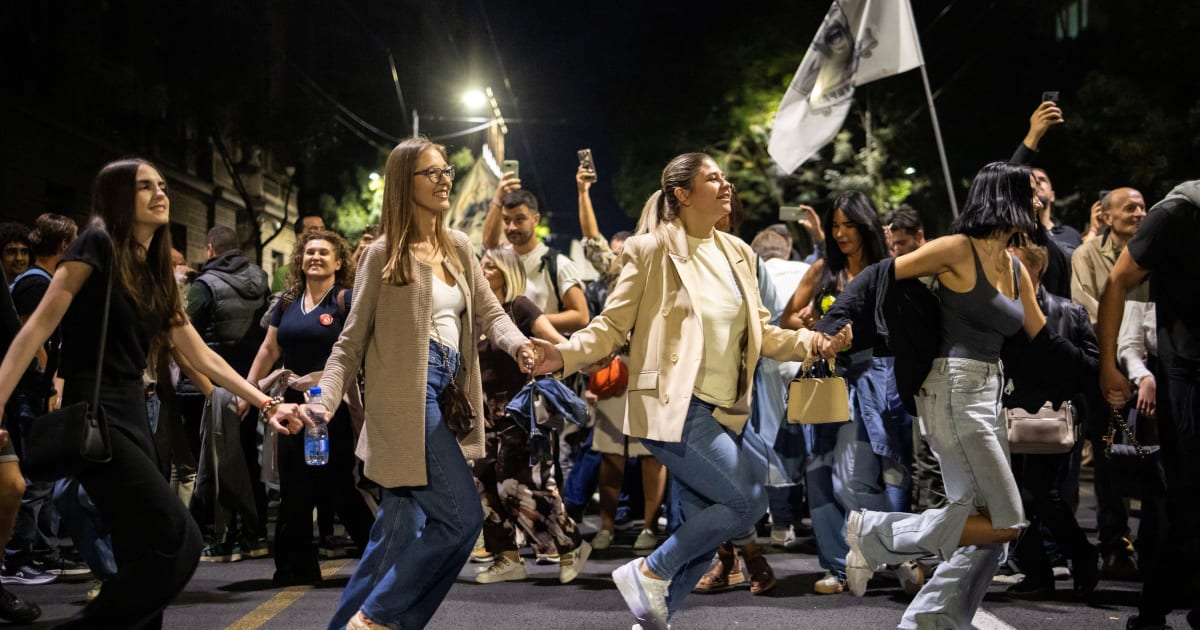
As the iron-framed doors prepare to shut following a send-off expected to last into the small hours of Sunday, patrons remain defiant against what they describe as an erosion of shared history. “In Mouria we found a haven and we won’t be forgetting it anytime soon,” said Maria Tsampra, a longtime regular and former employee of the defunct leftwing daily newspaper Eleftherotypia.