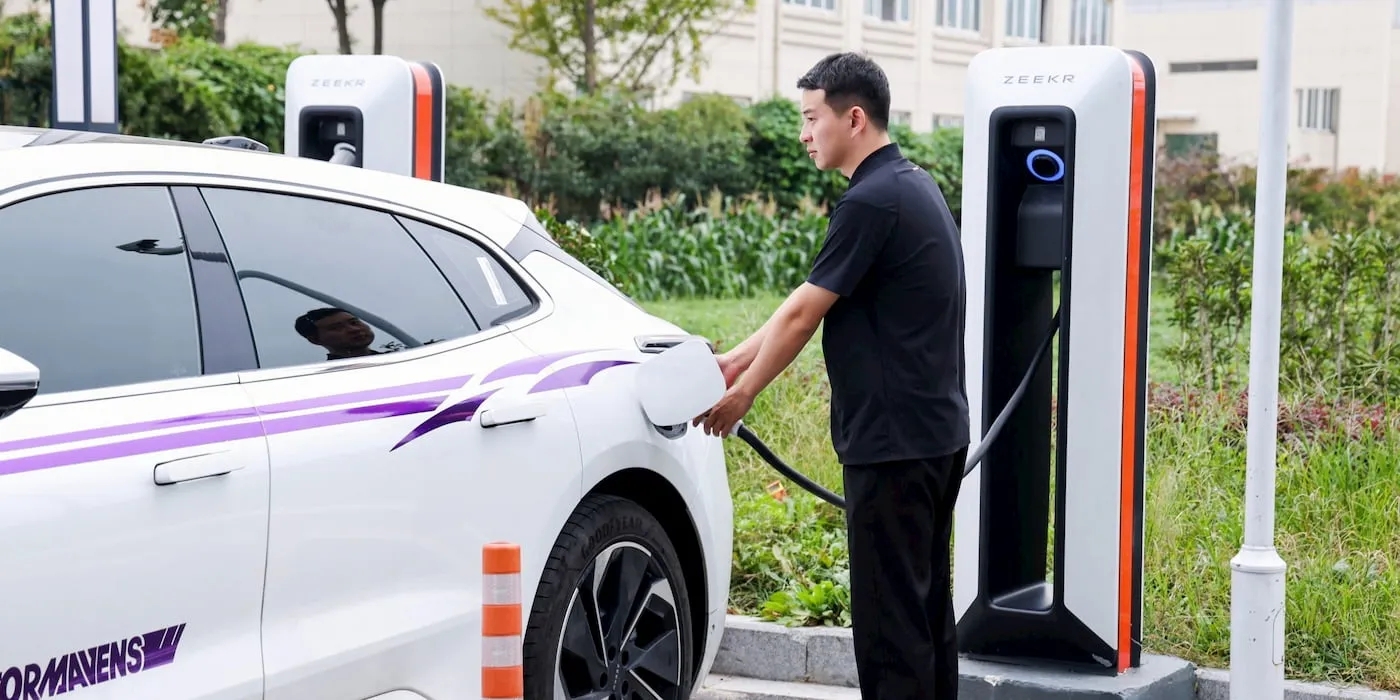
China’s electric vehicle charging network reached 25.391 million connectors by the end of October 2026, marking a 36.2% increase from the previous year according to data released by the National Energy Administration.
Private Installations Drive Growth Across the Market
Private infrastructure anchors the expansion, outpacing public deployment by a wide margin. NEA data show that private charging connectors climbed 42.5% year over year to hit 20.108 million units, accounting for roughly 79% of the national total. Registered electricity capacity for private charging reached 171 million kVA, while average power per public connector stood at around 51.37kW across the national footprint.
The rapid shift toward home charging reflects surging adoption in the world’s largest electric vehicle market.
Public Stations Expand as Automakers Scale Networks
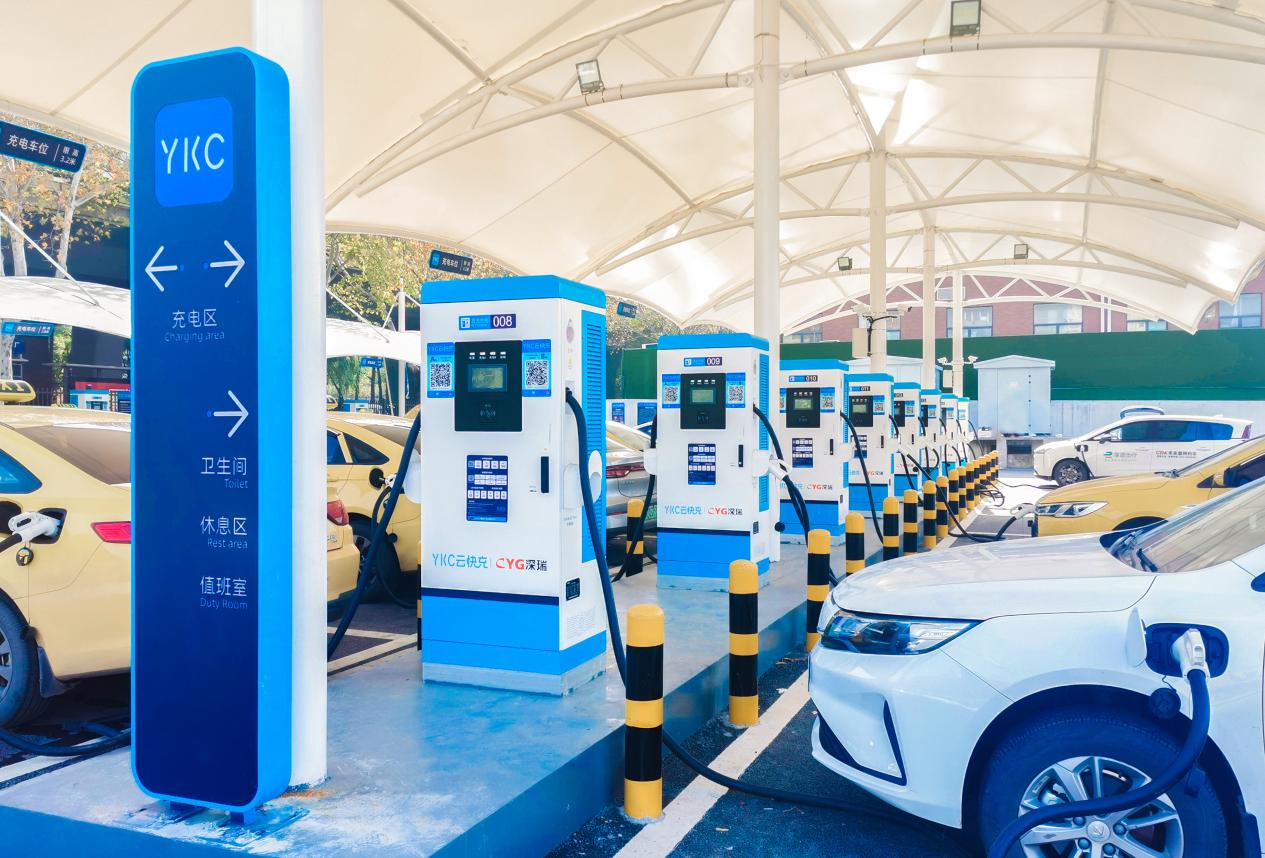
Public charging infrastructure reached 5.283 million connectors by the end of October, registering a 16.5% increase from the prior year. These public units carry a combined rated power of 271 million kilowatts, delivering an average output of approximately 51.37 kilowatts per connector as reported by Tmtpost.
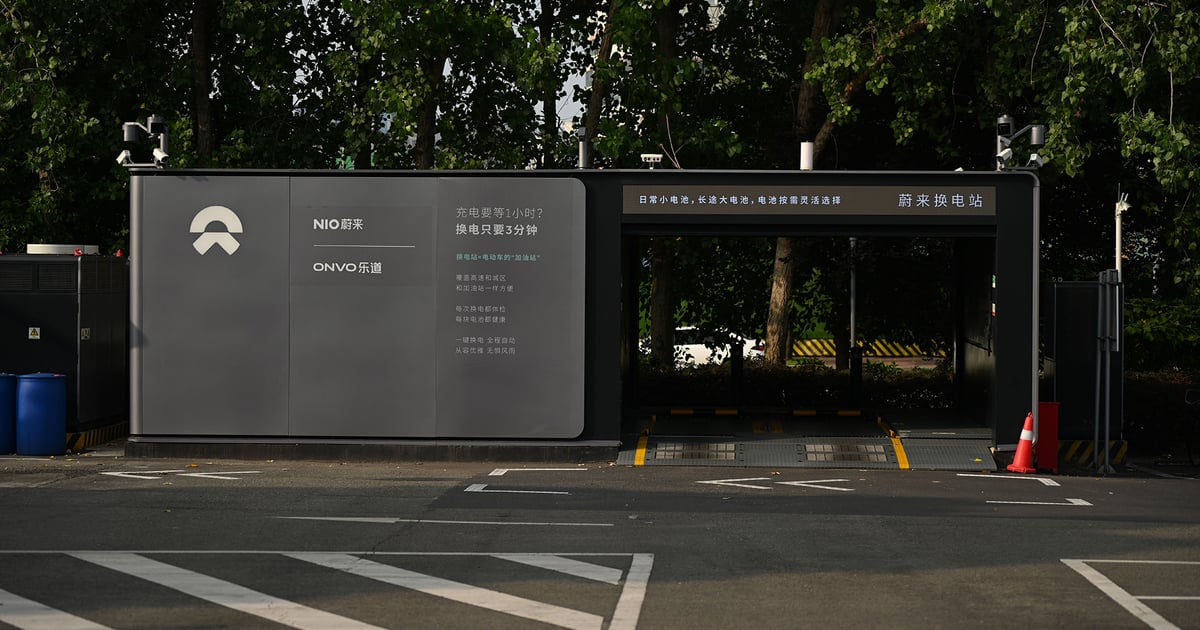
Major automakers are investing heavily in dedicated charging and battery-swapping infrastructure to support their vehicle fleets. NIO operated 9,877 charging and facility stations nationwide by November 20, including 5,603 charging stations holding 32,761 connectors as detailed by ChinaEVHome. Meanwhile, BYD expanded its Flash Charging network to 12,165 active stations by October 20, aiming for 20,000 stations by the close of 2026.
Geely also advanced its footprint by unveiling its new-generation AI energy replenishment technology, known as “Geely Smart Charging,” which features a peak charging power of 2.2 megawatts per gun. By the end of October, Geely Smart Charging had established 3,003 charging stations outfitted with 13,800 charging connectors, including 1,766 ultra-fast charging stations.
Policy Targets for 2027 and 2030
The build-out aligns with formal government targets established to support surging passenger car sales. The China Passenger Car Association reported that domestic retail sales of new energy vehicles reached 1.109 million units in October, pushing the monthly retail penetration rate to 67.5%—an increase of 10.5 percentage points from a year earlier.
The National Energy Administration was formally established on 8 August 2008 in Beijing after the State Council restructured energy oversight, merging the National Energy Leading Group Office with other regulatory duties. A rare separate party group was granted at inception, giving the bureau greater autonomy in organization and personnel than most national bureaus under ministries.
In 2013, the administration was reconstituted by integrating the State Electricity Regulatory Commission, consolidating electricity supervision under one body. Its responsibilities for crude oil and natural gas reserves were transferred to the National Grain and Material Reserves Administration in 2018, sharpening its focus on industry planning, new energy development, and conservation standards.
Traffic administration figures released by the Ministry of Public Security said that total active new energy vehicles in the country reached millions by the end of June, with approximately millions running entirely on electricity, representing 68.77% of all registered new energy vehicles.