Walmart shoppers stocked up on bottled water, propane, and camping gear as a wave of high-profile technology disruptions left Americans on edge in mid-November 2026.
A convergence of jittery online chatter, viral social media posts, and consecutive system failures at major airlines, banks, and federal agencies triggered a sudden surge in disaster-planning purchases across major U.S. retailers.
Technology Failures and Online Rumors Fuel Retail Run
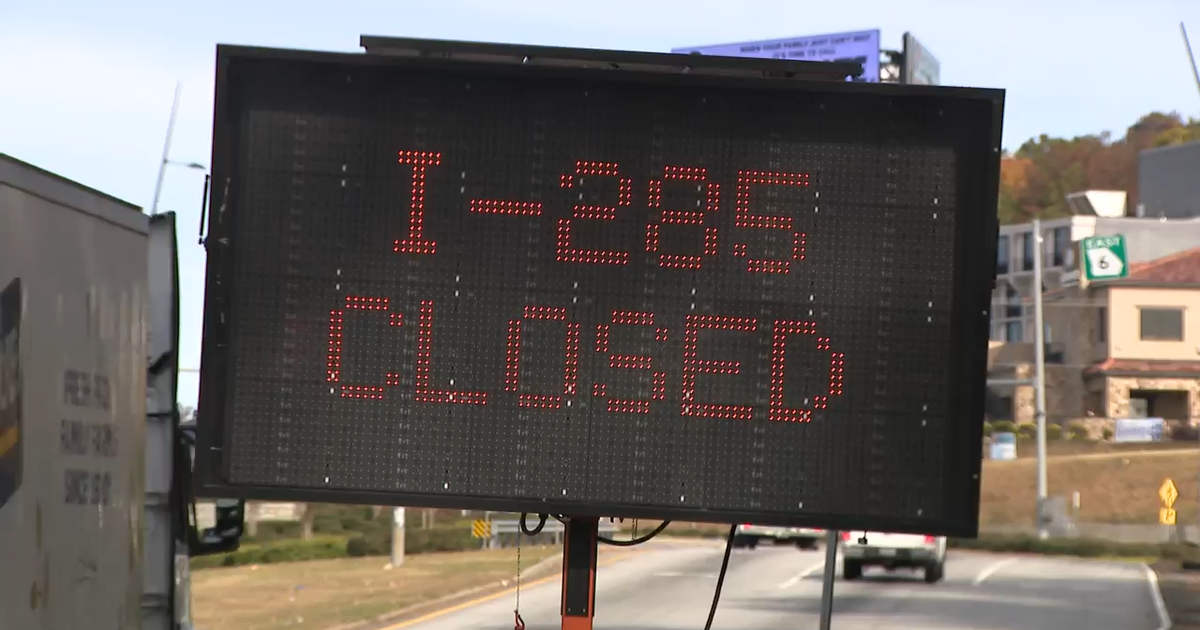
The rush on emergency goods followed at least half a dozen major technology outages that hit the United States between November 12 and November 17. The disruptions included a worldwide Microsoft outage that grounded airline flights, a Federal Aviation Administration nationwide ground stop, software bugs that temporarily disrupted JPMorgan Chase banking transactions, and a communications interruption at the National Security Agency.
Wall Street and retailers took note as Americans began shopping as if there were no tomorrow, driven by fears of artificial intelligence-driven cyberattacks and infrastructure collapse. Google Trends showed web searches for emergency supplies rose 300 per cent in the month leading up to the rush compared with the previous year.
While the companies and government bodies involved maintained that the technical glitches were completely unrelated and stemmed from routine software patches, social media platforms amplified anxieties. Videos on TikTok and YouTube misinterpreted a Pentagon directive regarding military base readiness as a public warning of a looming nationwide blackout.
The Pentagon initiative, known as FORTRESS America (Federal Operations for Resilience, Troop Resources, Energy, Supply, and Survivability), was originally announced in late September with a plan for every major U.S. military installation to generate its own electricity.
Misleading posts on TikTok and Facebook misinterpreted the directive, leading to false reports that snowballed online as preppers warned followers not to share food with neighbors because compassion could get their families killed.
“That fake news, when it validates with your fear, you start trusting it more than probably you should, and you start acting on it.”
CBC, reporting on misinformation trends
Costco Sales Rise as Demand Surges
Wall Street analysts and retail executives reported that buying behavior shifted rapidly from ordinary holiday shopping to pantry-loading and emergency preparedness. At Costco, demand for high-end backup power systems surged dramatically. Costco CFO Gary Millerchip told Bloomberg that the warehouse club saw increased buying of staples like rice, canned goods, and water toward the end of October, while October monthly sales climbed to $24.5 billion and U.S. comparable sales excluding gasoline rose 8.1% year-over-year.
In the final week of October, U.S. comparable sales excluding gasoline jumped 11% to 12%, a growth rate that continued through the first two weeks of November and put Costco on track for rare double-digit U.S. sales growth not seen since mid-2022.
Mizuho subsequently raised its price target for Costco stock from $1,100 to $1,150, partly driven by the retail surge, and said that retailers like Sam’s Club, Home Depot, and Lowe’s could also see a boost. Bellinger reported that both Costco and Walmart experienced panic buying starting in late October, fueled by consumer anxiety following the Microsoft Outlook outage, the grounding of U.S. airline flights, and apocalyptic social media posts.
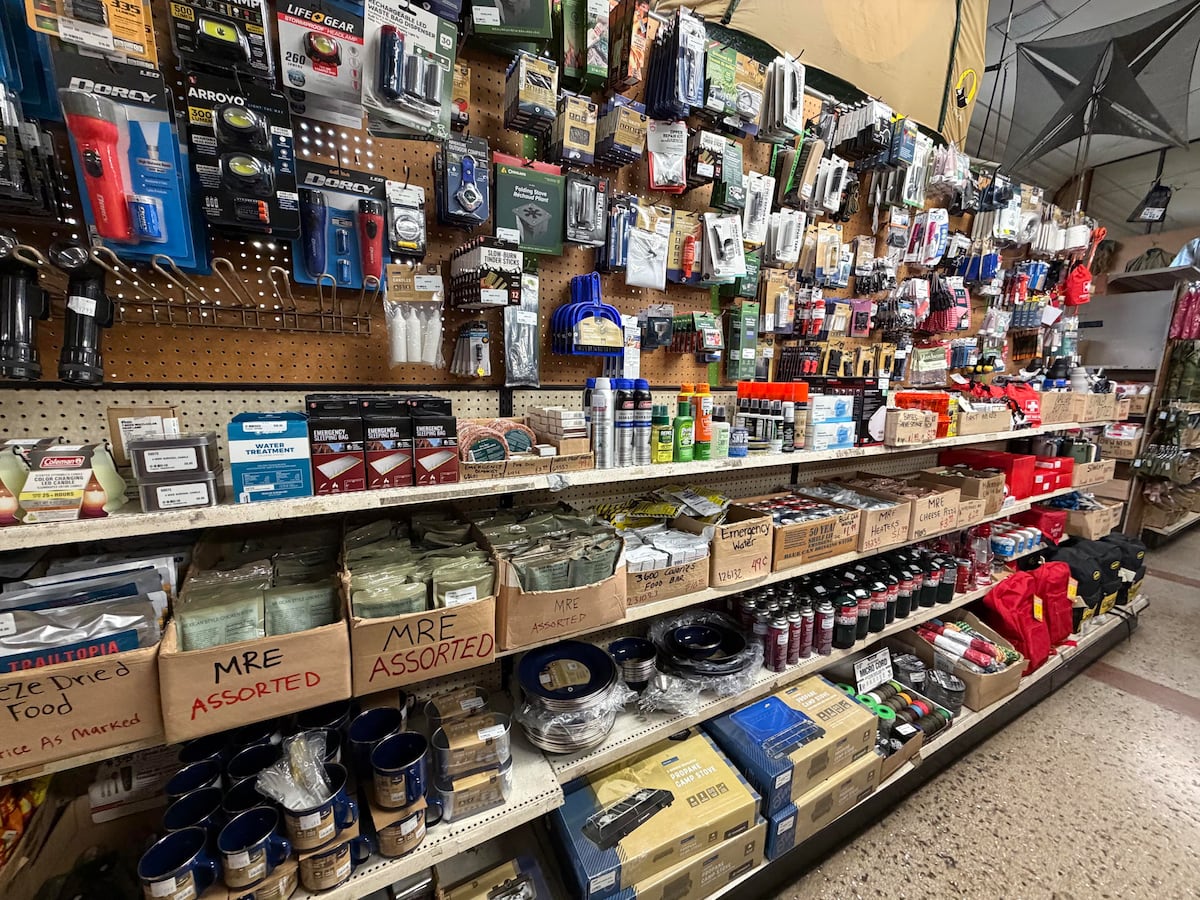
RBC Capital Markets data said that disinfectant wipes sales rose 72%, moist towelettes increased 20%, and water germicidal tablets surged 154% compared to the previous year. Walmart CFO John David Rainey told Bloomberg that shoppers stocked up on propane, bottled water, and camping gear while also buying doomsday staples such as soup and ready-to-eat foods.
Specialized Survival Retailers See Multi-Fold Surge
Specialized emergency gear suppliers recorded extraordinary spikes in online and in-person transactions. Survival Frog, an online U.S. retailer specializing in emergency supplies, reported that its sales volume shot up 450 per cent in the three weeks following October 17. Surplus stores across the country experienced similar runs. At The Surplus Store in the Los Angeles neighborhood of Palms, manager Jaime Naylor reported that shoppers rushed to buy emergency kits containing food, radios, batteries, water-purification tablets, and drinking water with a 50-year shelf life, as well as battery-powered communication radios.
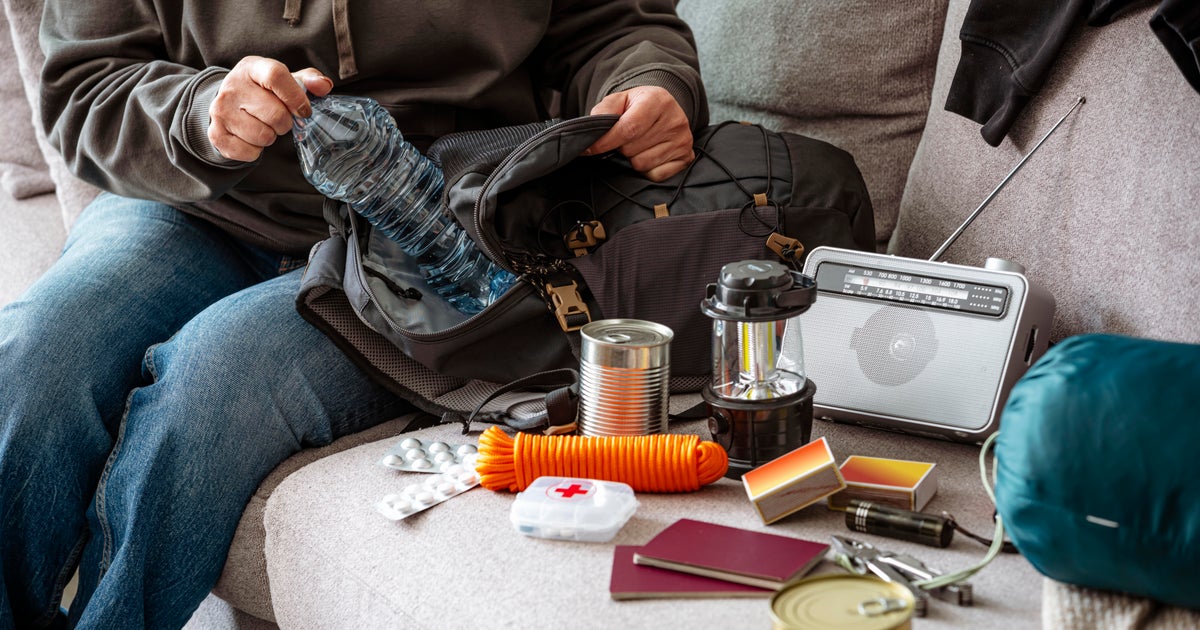
At Brigadoon Army Surplus in Del City, Oklahoma, owner Mark told Fox 25 that the store completely sold out of MREs, water purification tablets, and personal water filtration straws.
Other online suppliers such as My Patriot Supply and ReadyWise posted notices on their websites warning of extreme order volumes and shipping delays of up to 14 business days or into December. Tractor Supply reported increased demand across resilience categories, selling more generators, liquid storage tanks, propane, and accessory tanks than during the same period a year prior.
Federal Officials Urge Calm Amid Panic Buying
Official Responses to Public Anxiety
As consumers cleared shelves of emergency rations and water, federal leaders pushed back against doomsday narratives. National security officials faced tough questions from lawmakers on Thursday regarding the tech outages affecting airports, banks, and Microsoft services.
Secretary of State Marco Rubio emphasized during a news conference in the Philippines that the technical failures were entirely disconnected from one another, though he said that corporate patches are at times creating short-term disruption in the way systems work.

Microsoft, founded in 1975 by Bill Gates and Paul Allen to sell BASIC interpreters for the Altair 8800, grew to dominate the PC operating system market with MS-DOS and later Windows, becoming the world’s largest software company by revenue. A worldwide outage of its cloud and productivity services in mid-November 2026 grounded airline flights and disrupted banking, one of several concurrent technical failures that triggered the panic buying.
“The Microsoft incident has nothing to do with what we saw with the FAA. The FAA has nothing to do with what we saw with the banks a few days ago. These issues that we’ve seen from a technical standpoint are completely unrelated one from another.”
Secretary of State Marco Rubio
President Donald Trump told individuals starting to stockpile food and water to relax, stating on November 18 that he would let everyone know if there was a problem. Vice President JD Vance also stepped in during a Fox News appearance to address public unease, advising Americans to stay calm but cautious when asked if they should build bunkers or stock up on food and water.
Transportation Secretary Sean Duffy blamed overloaded equipment in the FAA communications network during a technology upgrade, while corporate representatives and officials repeatedly stressed that none of the incidents were cyberattacks.