
Tesla is set to wind down production of the Cybertruck at its Gigafactory Texas by mid-2027, marking a definitive exit from a high-profile vehicle program that failed to capture the broader pickup truck market. Elon Musk confirmed the decision in an X post, citing the need to reallocate critical manufacturing capacity toward the company’s Cybercab, the two-seater autonomous robotaxi that now sits at the center of Tesla’s robotaxi ambitions. This pivot signals a retreat from the traditional automotive segment, where Tesla struggled to gain traction.
The Financial Reality of the Cybertruck Wind-Down:
- Sales Collapse: According to data from Kelley Blue Book, the company sold 20,237 Cybertrucks in the US last year, a 48% decline from 38,965 in 2024, falling far short of the 250,000-unit annual target Musk once predicted.
- Production Bottleneck: The Texas facility is the only known Tesla facility equipped to manufacture the model’s specialized components; its decommissioning is a prerequisite for scaling the Cybercab, which is currently operating in a limited capacity in Texas.
- Regulatory and Design Barriers: The vehicle’s angular, heavy design faced significant headwinds, including 11 separate recalls reported by the National Highway Traffic Safety Administration and an inability to meet European pedestrian safety standards, effectively barring it from key global markets.
The End of the Stainless-Steel Era
The Cybertruck was marketed as a futuristic disruptor during its 2019 unveiling, yet the reality of its production proved to be an exercise in technical difficulty. The vehicle struggled to move beyond a niche audience, with critics and automotive experts pointing to its polarizing design as a primary inhibitor to widespread adoption. Former Aston Martin CEO Andy Palmer noted that the vehicle’s failure to meet targets rendered its continuation irrational from a capital allocation perspective, labeling the model a “rounding error” on the company’s broader balance sheet.
Tesla will be winding down production of the Cybertruck at Gigafactory Texas around the middle of next year to make room for increased Cybercab production
The strategic shift toward robotics and AI comes during a volatile period for Musk’s ventures. Following the US midterm elections, where Musk’s significant political contributions failed to yield the desired outcomes, Tesla’s share price faced downward pressure. Investor sentiment has been increasingly focused on whether the company can successfully transition from a volume-based automaker to an autonomous fleet operator, a move that requires massive liquidity and federal regulatory clearance for its self-driving software.
Capital Reallocation Toward the Cybercab
The decision to prioritize the Cybercab is a direct response to the stagnant growth in the electric pickup segment. Analyst Felipe Munoz observed that the Cybertruck’s struggles are not unique, noting that competitors have similarly failed to gain meaningful market share in the US for electric pickup trucks. By sunsetting the Cybertruck, Tesla is attempting to mitigate the operational drag of maintaining specialized tooling for a low-volume product.
The Main Street Impact
For the average American, this transition reflects a broader cooling of the electric vehicle hype cycle in the retail sector. As Tesla shifts its focus to a centralized robotaxi network, the promise of personal ownership of futuristic, affordable electric utility vehicles remains unfulfilled. The retirement of the Cybertruck also leaves a gap for owners regarding long-term serviceability and parts availability, as the specialized nature of the vehicle’s production process implies that post-2027 maintenance may become increasingly difficult to source.
The company now faces the challenge of demonstrating that the Cybercab can achieve the scale necessary to replace the revenue once expected from the Cybertruck. With about 570 of the more than 1,200 Tesla robotaxis operating in Texas being Cybercabs, the infrastructure required for a global autonomous network is still in its infancy. Tesla must now satisfy federal safety regulators that its self-certification processes meet the rigorous standards required for public, driverless transport.
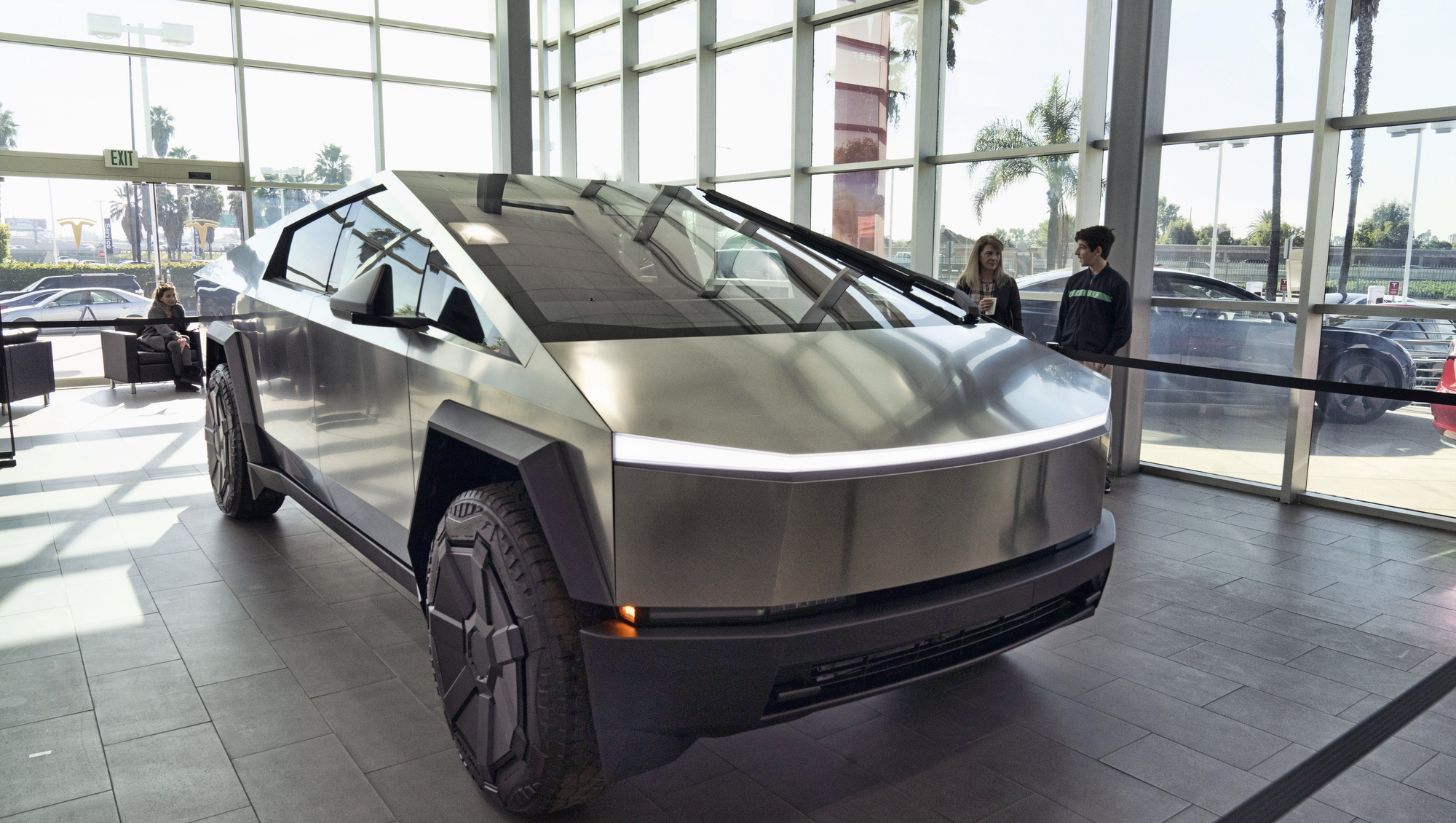
As the company moves forward, the Cybertruck will remain a case study in the risks of prioritizing design innovation over mass-market scalability. The "end of an era," as Musk described it, shows that even the most well-capitalized firms are eventually forced to reconcile their product roadmaps with the harsh, quantitative realities of the consumer market.
Disclaimer: The information provided in this article is for educational and market analysis purposes only and does not constitute financial, investment, or legal advice. Always consult with a certified financial professional before making investment decisions.


