
Parliamentary Stalemate Deepens as Arab Parties Secure Record Knesset Representation
Palestinian citizens of Israel turned out in historic numbers during Tuesday’s general election, projecting their leading political factions to a combined record of 18 or 19 seats in the 120-member Knesset. According to preliminary tallies reported by Al Jazeera, the surge positions Arab-led parties as potential kingmakers in an intensely fractured political environment where neither Prime Minister Benjamin Netanyahu’s right-wing bloc nor the opposition holds an outright majority.
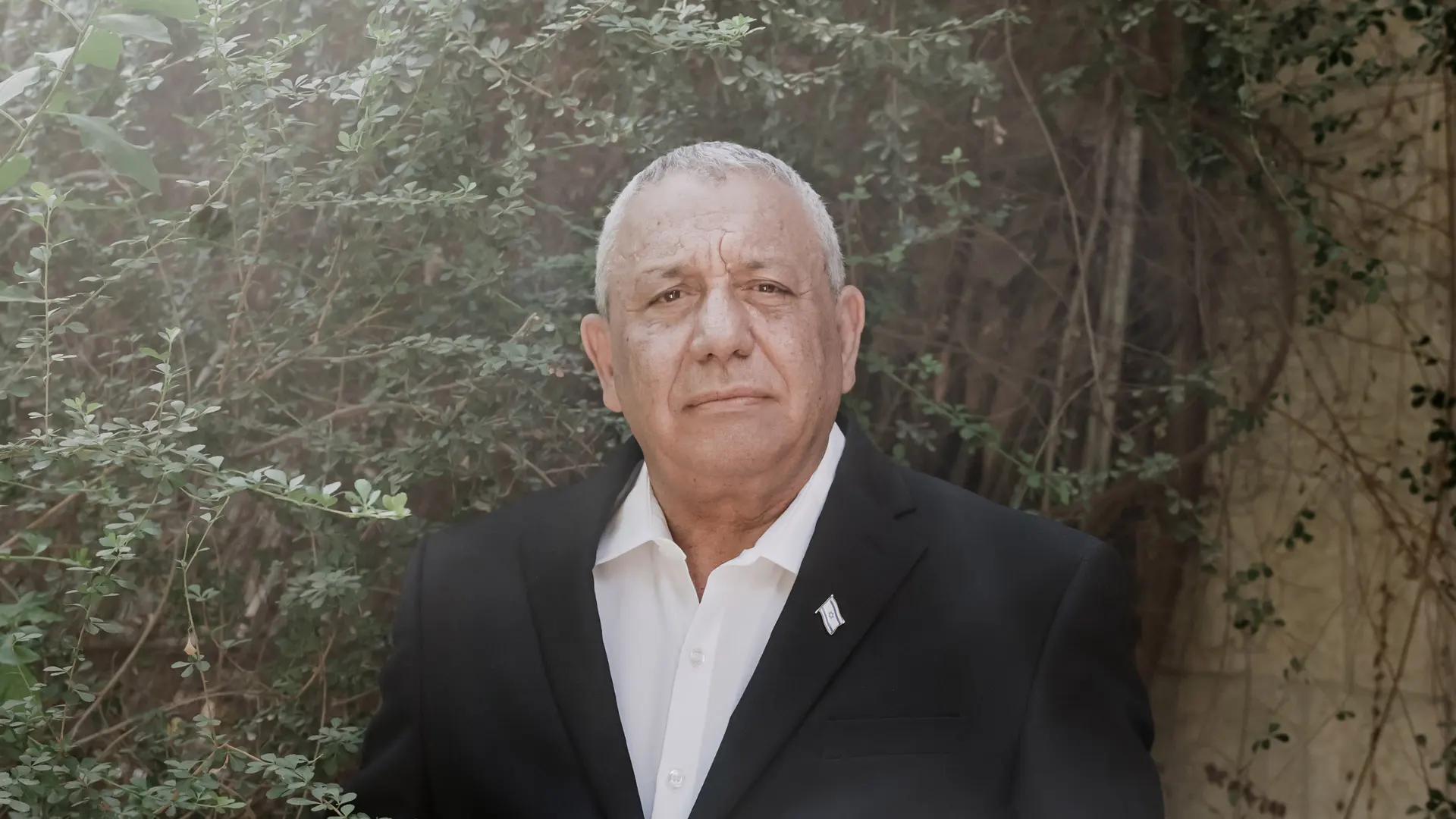
With more than 40 percent of ballots processed by Wednesday morning, the Central Elections Committee indicated that Netanyahu’s Likud party leads individual counts with 28 projected seats. Meanwhile, former military chief of staff Gadi Eisenkot’s opposition Yashar party trails closely behind at 21 seats. Early exit projections from Israel’s major networks, as noted by CBS News, showed a tight race headed toward a familiar legislative stalemate, forcing both major factions into high-stakes coalition negotiations.
Surging Turnout and the Rise of the Joint List and Ra’am
Voter turnout among Palestinian citizens of Israel climbed to approximately 80 percent, shattering previous records set in 1999, per Al Jazeera’s on-the-ground reporting. Overall national turnout similarly reached a multi-decade high of 77.7 percent. The dual electoral momentum propelled the predominantly Arab Joint List and Mansour Abbas’s Ra’am party into unprecedented legislative weight.
Speaking to Channel 12 prior to the release of preliminary tallies, Ra’am leader Mansour Abbas emphasized the mathematical reality of the chamber. With the numbers we have now, there is no government,
Abbas stated, noting that representatives from both main political camps had reached out to his party before and after the vote.
The sharp shift in political influence comes amid deep domestic friction. Nour Odeh, reporting for Al Jazeera from Ramallah, described the vote as an existential moment for Palestinian-Israelis overcoming traditional cynicism regarding a legislative system that has historically advanced discriminatory measures and funding disparities.
Netanyahu Responds to High Arab Turnout with Aggressive Mobilization Tactics
The path toward forming Israel’s next governing coalition remains fraught with ideological contradictions.
There’s a price to pay, because the Arabs can’t be kept outside and only being considered and co-opted when you need their votes.
— Alon Pinkas, Former Israeli Ambassador
Netanyahu’s campaign responded to the high Arab turnout with aggressive mobilization tactics. Witnesses reported Likud-flagged vehicles driving through Jerusalem blaring the Islamic call to prayer while warning supporters that Arabs are voting.
Netanyahu posted social media warnings regarding long queues in Arab communities, cautioning voters that political apathy would yield a government of Mansour Abbas and Ahmad Tibi.
Electoral Clash Unfolds During Difficult Multifront Security Crisis
The electoral clash unfolds while Israel continues to manage a difficult, multifront security crisis spanning Gaza, Lebanon, Syria, and direct conflicts with Iran. For many citizens, the ballot box represented a referendum on the country’s post-October 7 trajectory.
The domestic political fallout extends far beyond Israel’s borders. According to reporting from The Jerusalem Post, Diaspora Jewish communities from North America to Europe expressed mounting anxiety that the election’s outcome could further conflate foreign Jewish populations with the actions of the Israeli government, potentially intensifying antisemitic incidents abroad.

As vote counting continues through the week, neither Netanyahu’s bloc nor the opposition change bloc has secured the requisite 61 seats. If neither side succeeds in cobbling together a governing majority through minority support or abstentions from Arab factions, Israel faces the distinct prospect of returning to the polls—repeating the protracted electoral deadlocks that gripped the nation between 2019 and 2022.


