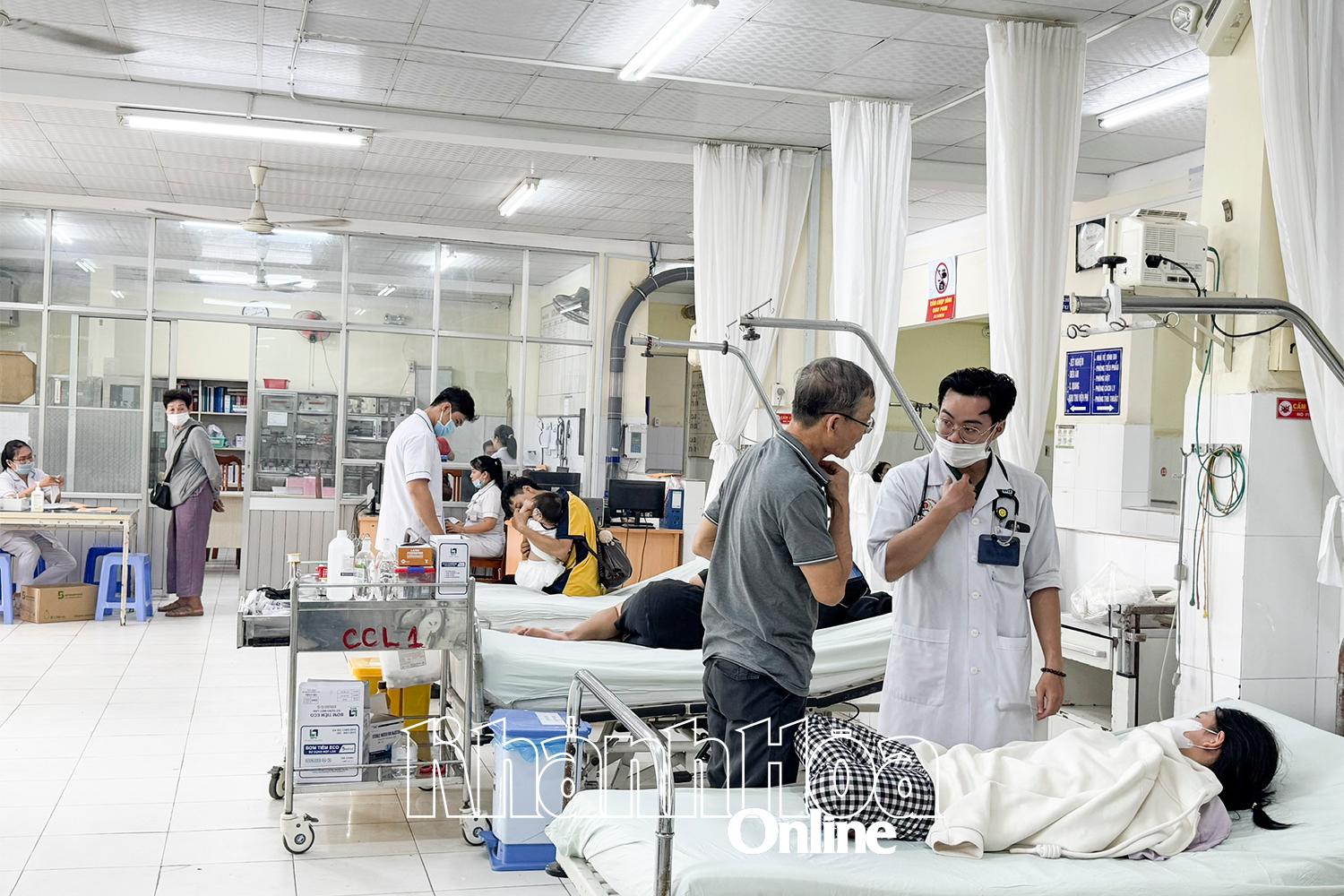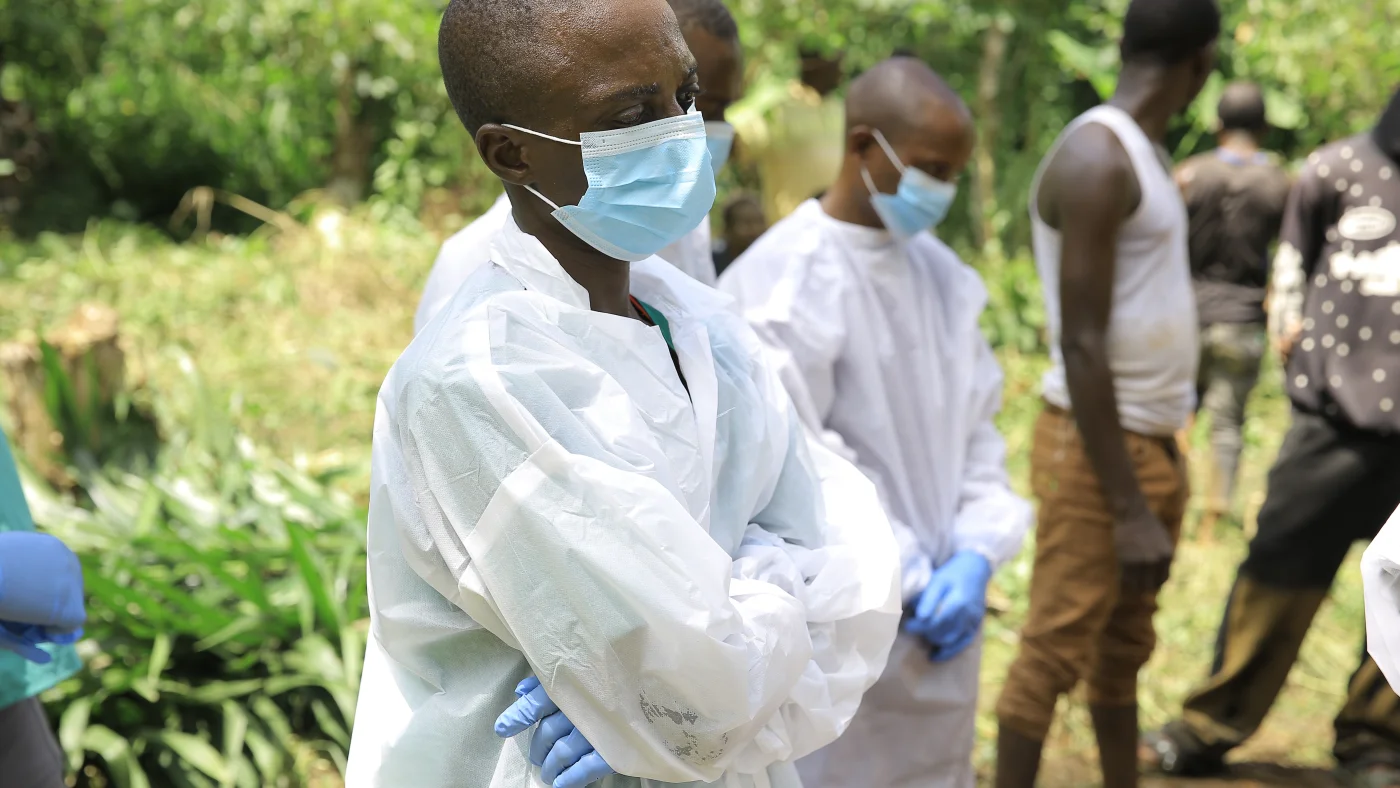
More than 12,000 confirmed Ebola cases have struck the Democratic Republic of the Congo. Armed conflict forced health workers to evacuate treatment hubs. Infections spread unmonitored across the region.
Rebel Clashes Disrupt Medical Evacuations
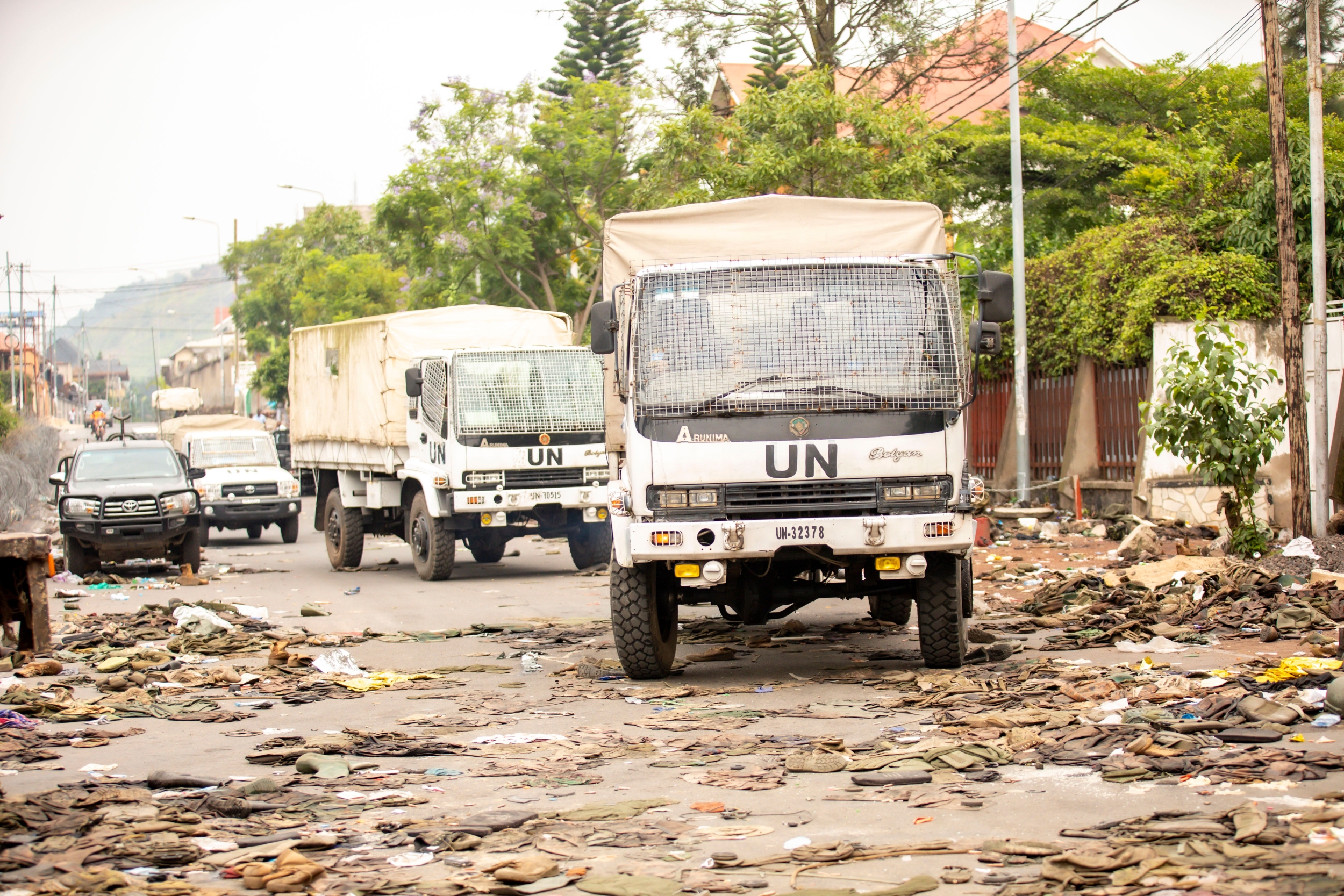
Intensifying fighting between the Congolese army and the Convention for the Popular Revolution rebels north of Bunia has disrupted the epidemic response. MONUSCO peacekeeping forces helped evacuate about a dozen people, including two World Health Organization personnel and Congolese health officials. They spent three days trapped in an Akwe hospital amid heavy crossfire.
Bangladeshi peacekeepers assisted with the evacuation of health workers after encountering difficult terrain, poor road conditions, and the fragile state of a wooden bridge. Thomas Lubanga serves as the head of the Convention for the Popular Revolution. He received a 2012 conviction from the International Criminal Court for drafting youngsters below 15 years of age into combat units.
Sandrine Buju, a humanitarian worker involved in the response, reported that her team came under gunfire while returning to Bunia after training local volunteers. She said she was very frightened when surprised by gunfire about 15 meters or 50 feet away from where they were before the driver immediately turned around to seek protection at a United Nations peacekeeping base.
The security deterioration forced the World Health Organization to temporarily relocate its response team from Mongbwalu. That is the mining town where the outbreak was first detected in May. Blocked roads and active firefights have prevented teams from reaching vulnerable communities.
Treatment centers remain understaffed. Contact tracing has halted.
Heavy fighting has been ongoing since yesterday in the vicinity of a hospital in Ituri — in an area close to where the #Ebola outbreak first emerged. As a result, colleagues and response partners have been sheltering for their lives in a maternity ward of the facility for over 24… pic.twitter.com/cKqvfriqNf
The fighting between the army and rebel groups has prevented teams from reaching some communities, disrupted monitoring of people exposed to the virus, and left some treatment centers with fewer staff.
Dr. Catherine Smallwood, WHO’s Ebola incident manager in the DRC
Tracking the Rare Bundibugyo Strain
The current epidemic is driven by the rare Bundibugyo virus. Government health data shows that confirmed infections have reached 12,021 cases, with 5,904 deaths recorded.
The epidemic remains smaller than the 2014–2016 West African outbreak. It is the deadliest of Congo’s 17 recorded outbreaks, and it is on track to surpass the death toll from that previous epidemic, which killed 11,000 people between 2014 and 2016. The outbreak was first declared in May. Africa Centers for Disease Control and Prevention data revealed that just 15 percent of new cases come from contacts known to health authorities.
Fruit bats are widely suspected to be natural reservoirs of Ebola viruses. They carry them without falling ill.
Every order matters in the #Ebola response in #DRC. Deployed to Bunia, Ituri Province, Lucille Kavira coordinates procurement and deliveries to help ensure response teams have the resources they need, when they need them. pic.twitter.com/Ofb5rAmB42
No approved vaccine or specific treatment exists for the Bundibugyo variant. This differs from the Zaire strain that triggered past epidemics.
Potential immunization candidates for Bundibugyo are studied. These include Ervebo, an Oxford University vaccine tailored specifically for Bundibugyo, and an mRNA immunization developed by Moderna.
Responders must rely entirely on traditional containment measures in the absence of a licensed vaccine. These include isolating patients, tracing contacts, and conducting safe burials.
Dozens of residents in eastern Congo say they have been unable to locate the bodies of relatives who died in the ongoing Ebola outbreak, while others say loved ones have been buried without their knowledge https://t.co/o5tKFPtRTS pic.twitter.com/PdCpb9Wa6R
Overcoming Community Mistrust
Health workers face deep-seated local skepticism that complicates containment efforts just as much as armed conflict. Roland Vivaya, head of the local youth council, said that most people in Bulambo-Isale do not believe Ebola exists. He said that he did not really believe in it himself until he almost died of the virus.
Mistrust is fueled by financial disparities. Locally recruited health workers receive wages higher than the local average, triggering jealousy and conspiracy theories.
.@WHO staff, @MinSanteRDC and other colleagues have been safely evacuated from the hospital in Akwe, Ituri Province, where they were sheltering amid fierce conflict for over three days. They have been brought to safety thanks to combined efforts across health, government and…
Pressure groups linked to local politicians have weaponized these tensions. They occasionally prevent medical teams from reaching the sick and prompt some frightened patients to flee treatment centers.
Transporting convoys can require two to four weeks owing to rainy-season bogs and crevasses. These extensive distances simultaneously delay diagnoses, according to Handicap International’s emergency deployment director, Jerome Bertrand.
Funding Disputes Hamper Response Efforts
The response has been hobbled by administrative and financial friction. Jean Kaseya, director-general of the Africa Centres for Disease Control and Prevention, criticized the coordination between Congo’s government and foreign donors as a collective failure, and he urged international backers to release $1.6 billion in pledged aid.
📅 28 Days to Go ✅ EBOLA FACT Ebola does not spread through the air. The virus spreads through direct contact with the blood, bodily fluids, or contaminated items of an infected person. Knowing the facts helps protect individuals, families, and communities while reducing fear… pic.twitter.com/uuIImCofyd
International donors have disbursed more than $962 million to organizations implementing the response. Approximately $700 million of that sum remained unaccounted for, prompting an ongoing investigation.
Dr Mohamed Janabi, the World Health Organisation’s Regional Director for Africa, warned that international spread of the virus is possible if more is not done to stop it. Regional health authorities continue to monitor cross-border movement closely.
Confirmed cases have been detected in Uganda and Kenya. Isolated travel-associated cases have surfaced in France and the United Arab Emirates.

Transmission inside the DRC remains uncontained.
Confronting Armed Danger and Burial Traditions
Wilson Kasyani, chief doctor for the Vuhovi health district, described the constant danger in the mountainous region by noting that weapons are everywhere. Local residents frequently reject the existence of the illness. Traditional Nande funeral practices require families to bury their own deceased relatives so that survivors can speak to them in the afterlife. Communities view medical burials with deep suspicion.
Every person affected by #Ebola deserves timely, safe care, and every community deserves protection. The updated continental preparedness and response plan from @WHO and @AfricaCDC puts communities at the centre, strengthens early detection and care, and brings countries and… pic.twitter.com/OYmrpdxEkB
Julienne Anoko, a WHO risk communication and community engagement officer, explained that affected populations often attribute infections to poisoning, witchcraft, or sorcery. Others suspect foreign nations of exploiting the virus to seize natural resources.
Patricien Kambale, a livestock farmer, criticized the authorities for imposing containment measures without consulting residents on how they interpret the outbreak. He added that memories of doctors surrounded by military guards during previous epidemics only served to frighten the community.
Experts Warn of Record Spread
Professor Neil Ferguson, director of the Jameel Institute for Disease and Emergency Analytics at Imperial College London, warned that the current epidemic is on track to become the largest on record if containment efforts fail. Yap Boum, the Africa CDC deputy Ebola incident manager, told Reuters that internal and external bleeding is only occurring in roughly five to ten percent of confirmed patients.
Experts emphasize that successful containment requires extensive door-to-door community surveillance across high-risk areas alongside international border readiness. John Johnson, a vaccination and epidemic response adviser at Doctors Without Borders, expressed skepticism regarding official tracing figures. He stated he would be shocked if any of the affected health zones successfully tracked such a high proportion of actual contacts.
Testing Improves Amid Daily Attacks
The WHO notes that testing in the Ituri locality of Mongbwalu can now yield results in under 60 minutes. Rough terrain often impedes medical access amid the multi-provincial spread.
World Health Organisation Director-General Tedros Adhanom Ghebreyesus described heavy fighting in the vicinity of a hospital in Ituri. He said that colleagues and response partners had to shelter for their lives in a maternity ward of the facility for over 24 hours.
Local medical workers face almost daily attacks due to hostility from locals toward response efforts. One instance involved intruders entering a nurse’s home and wounding her son. Another involved an individual who wanted to attack investigators with a machete.
Beyond these immediate epidemic challenges, the Democratic Republic of the Congo has long grappled with systemic political instability, rampant corruption, and severe infrastructural deficits.
Persistent instability—intensified by historical conflicts including the First Congo War from 1996 to 1997 and the Second Congo War from 1998 to 2003—has left the country struggling with widespread poverty, millions of displaced persons, and a human development ranking of 171 out of 193 countries by the Human Development Index in 2023.
Readers consulting the available evidence can conclude that active armed conflict, infrastructural damage, and local mistrust hinder medical containment efforts, while authorities grapple with high fatality rates and severe logistical obstacles. Readers cannot conclude that transmission has been successfully interrupted in rural areas or that existing commercial vaccines offer direct protection against the Bundibugyo strain.
For specific health concerns, people should consult qualified medical professionals or public health authorities rather than relying on general news summaries, as Yap Boum told Reuters that internal and external bleeding is only occurring in roughly five to ten percent of confirmed patients.