Shuttle Diplomacy Collapses Over the Weekend
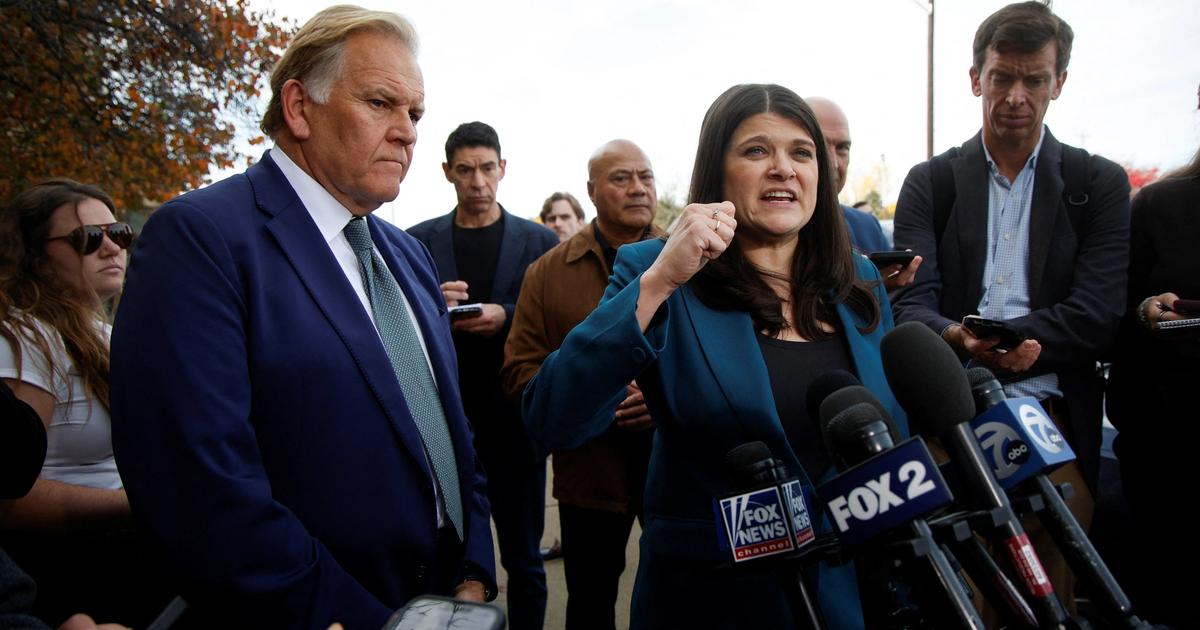
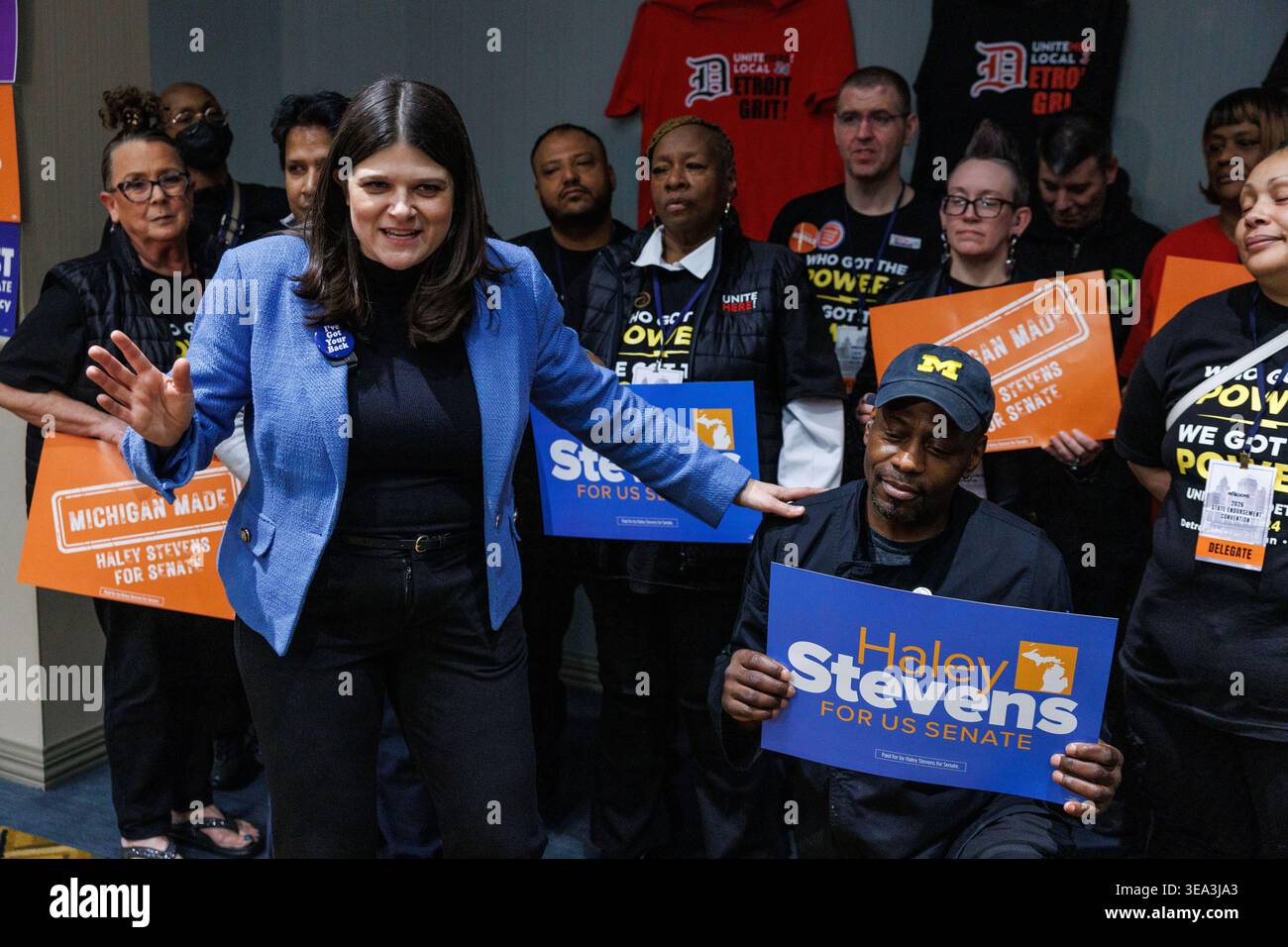
The political crisis unfolded when Haley Stevens appeared alongside Rogers at a Black church in Detroit, less than 24 hours after she had assured congressional colleagues that she intended to back Democratic primary rival Abdul El-Sayed. The sudden defection won immediate praise from President Donald Trump and sparked swift calls from within the party for her eviction from the House Democratic Caucus.
Before the weekend crackup, senior figures across the party worked intensely to prevent a public fracture. Representatives Debbie Dingell of Michigan and Jim Clyburn of South Carolina pushed hard to get El-Sayed and Stevens on the same stage for a united front heading into Tuesday’s critical elections. Representative Jamie Raskin of Maryland revealed that Stevens had personally promised him on Saturday night that she was backing El-Sayed.
“I was blindsided, and I feel dumbfounded by the whole thing,” Raskin told Semafor in an interview on Sunday.
Ideological Fault Lines Laid Bare
While the Senate contest remains exceptionally tight, the exact impact of Stevens’ turnabout on the final balloting remains unclear. What the move has done, however, is lay bare deep ideological divides within the Democratic Party, principally regarding Israel and the party establishment’s relationship with its left wing.
Congressional Leadership Responds to the Defection
In the wake of the endorsement, House Minority Leader Hakeem Jeffries issued a statement backing El-Sayed but omitted Stevens by name, despite her membership in his caucus. Senate Minority Leader Chuck Schumer struck a sharper tone, having initially favored Stevens as a stronger general election candidate than El-Sayed, and called her endorsement of Rogers a “despicable betrayal.”
Many rank-and-file Democrats in the state placed the blame squarely on Stevens. “I certainly don’t think it’s somebody else’s fault, other than Haley Stevens,” a Michigan Democratic operative noted.
Party Fractures Threaten Michigan Primary Dynamics
The timing compounds strategic vulnerabilities for the party. Michigan, where El-Sayed was already struggling to consolidate support among some Jewish and Black voters ahead of the vote, is set to occupy a position among the first-in-the-nation Democratic nominating states. The party’s public fracture during the final week of the election cycle threatens to cast a long shadow over internal dynamics heading into the 2028 primary season.