The Standoff Over Calera’s Transmission Corridor
A high-stakes property dispute in Shelby County has moved from the quiet of the countryside into the halls of the judiciary, as Alabama Power seeks a temporary restraining order to clear the path for a major transmission line project. The utility filed a complaint on Wednesday, November 4, alleging that property owner Grady Fenn Church physically interfered with work crews on his land just one day earlier. Alabama Power is asking a Shelby County judge to issue a temporary restraining order requiring Church to stay at least 300 feet away from clearing operations.
This request, filed alongside a motion for a preliminary injunction, marks the latest escalation in a long-running eminent domain battle. At the heart of the utility’s argument is the clock: Alabama Power maintains that further interruptions will jeopardize the scheduled May 2027 completion date for the 74-mile transmission project. The utility contends that the 300-foot buffer is a necessary safety protocol to protect both the landowner and the crews operating heavy machinery on the site.
Legal Precedents and the Right of Entry
The current friction follows a series of shifting legal rulings that have left the status of the property in a state of flux. In September, a lower court had issued an order barring Alabama Power from entering the land while the broader condemnation case was still pending. However, that situation changed on October 21, when the Alabama Supreme Court stayed the lower court’s order.
Alabama Power asserts that it is now legally entitled to access the property, citing two specific financial actions taken to satisfy court requirements. As WVTM 13 reported, the utility claims it has deposited the full compensation awarded in the condemnation case with the court and has filed an $850,870 appeal bond. From the company’s perspective, these filings provide the necessary legal standing to proceed with tree clearing and vegetation management, even as the underlying eminent domain dispute remains unresolved in the court system.
The Economic Stakes of Regional Infrastructure
Transmission line projects of this scale are designed to serve broader regional energy demands, and delays often carry significant economic consequences. When infrastructure projects stall, the costs associated with labor, equipment rentals, and supply chain logistics can mount rapidly. For a 74-mile project, maintaining a timeline is rarely just about meeting a corporate deadline; it is about ensuring that the regional grid can handle projected load increases by the target date of May 2027.
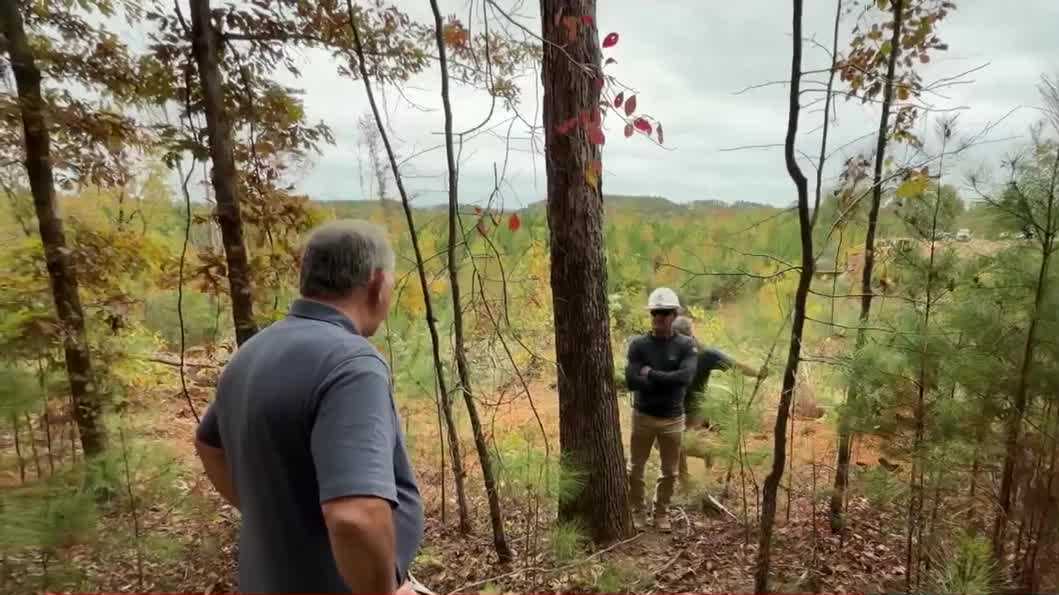
While the utility emphasizes the necessity of the work, the perspective of the property owner highlights the intense personal and legal tension inherent in eminent domain cases. The company is seeking to bar Church and his entity, GF Church Properties II, LLC, from interfering with the work. To date, no hearing date has been set to address the request for the restraining order, leaving the project in a temporary limbo.
The fundamental question remains whether the utility’s deposited compensation and the Supreme Court’s stay are sufficient to override the landowner’s resistance in the immediate term. As the legal filings sit before the Shelby County court, the quiet clearing of trees in Calera has become a flashpoint for a much larger debate over property rights, utility authority, and the pace of state infrastructure development.