A federal judge in Alaska dismissed a lawsuit filed by the Trump administration on Sunday, Nov. 1, rejecting an effort to block certification of Alaska’s U.S. Senate election results.
U.S. District Court Judge Sharon Gleason ruled that the federal government failed to demonstrate any legal authority to bring the suit.
“Therefore, this court lacks jurisdiction and the United States’ amended complaint must be dismissed,” Gleason wrote in a 20-page order.
Attorneys representing the federal government had argued that Alaska voters might experience “voter confusion” because two of the candidates on the ballot shared the last name Sullivan. The administration sought an order requiring the state to set aside all votes cast for Dan J. Sullivan, pending further investigation.
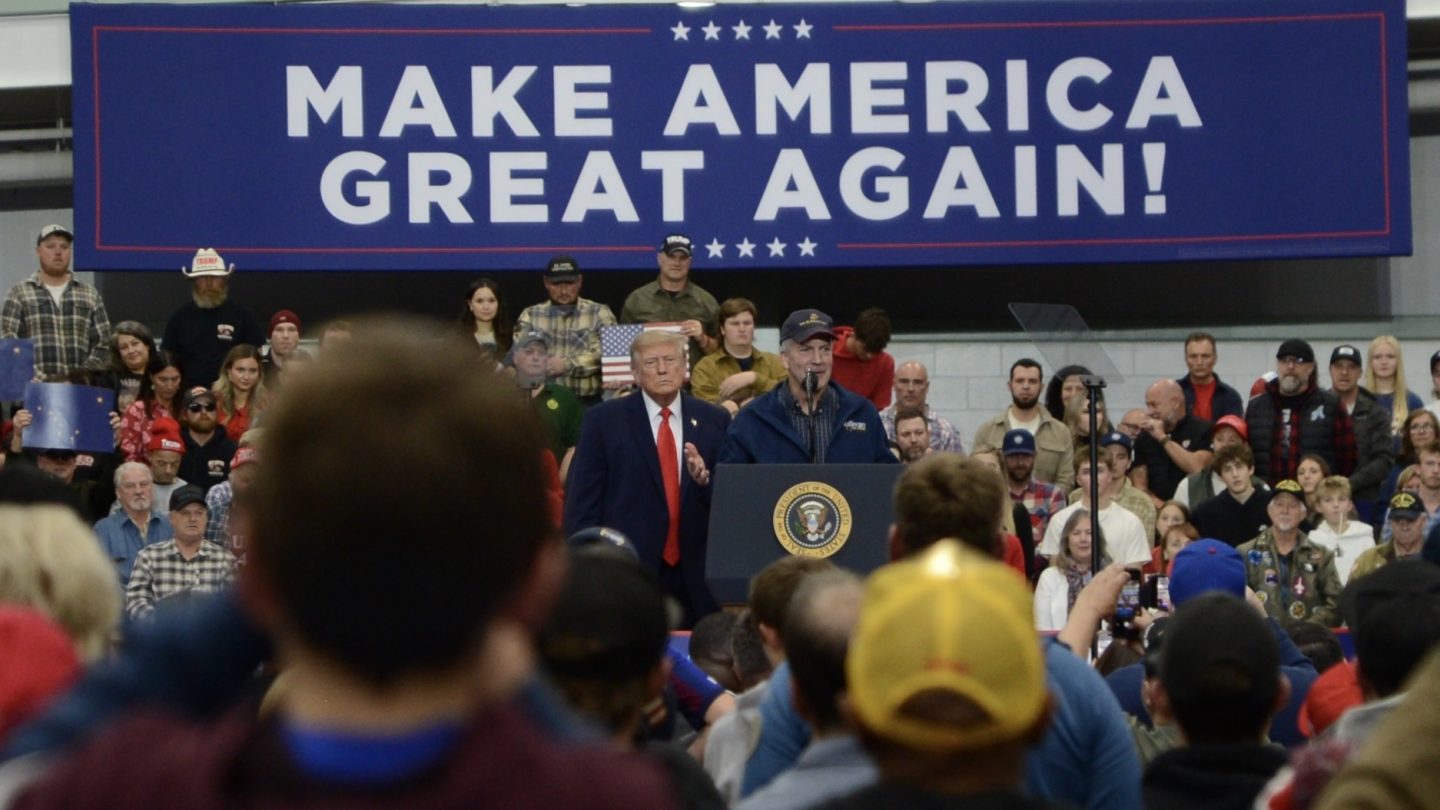
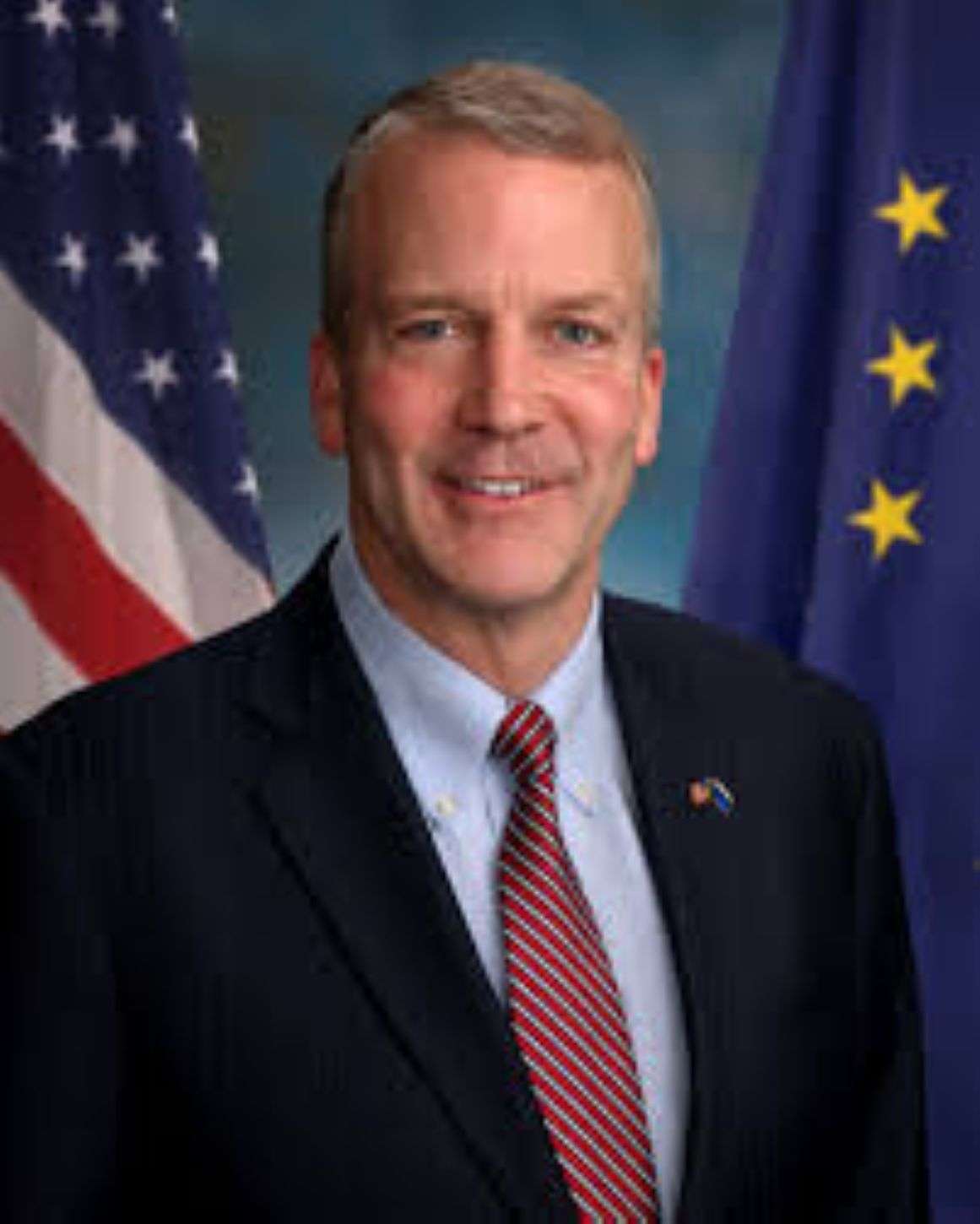
Democratic candidate Mary Peltola leads the incumbent Republican Sen. Dan S. Sullivan in votes in the race. President Donald Trump said that he ordered the legal filing, which asked the court to prevent the state from certifying anyone other than the incumbent Republican senator as the winner.
Judge Gleason rejected the proposed remedy on multiple grounds, and she said that the federal government failed to explain how its requested actions could address the alleged injury while preserving election privacy. She wrote:
The absence of any explanation from the United States as to how its requested relief could redress its alleged injury while simultaneously maintaining the secrecy of the ballot is telling.
Judge Sharon Gleason, U.S. District Court
The court also said that attempting to investigate voter intentions would violate ballot privacy laws.
The state of Alaska, the Peltola campaign, a national Democratic group, and two nonpartisan voting organizations opposed the federal request in written court filings. Legal scholars and election experts also criticized the litigation.
Former Maricopa County Recorder Stephen Richer and election scholars from the UCLA School of Law’s Safeguarding Democracy Project, led by professor Richard Hasen, submitted amicus briefs urging the Ninth Circuit Court of Appeals to reject the Department of Justice’s demands. Richer pointed out that Alaska state courts had already resolved challenges to the ballot placement before the election began.
“The machinery of state election law operated as designed,” Richer said in his brief, noting there is no basis for federal intervention.
Judge Gleason cited established Supreme Court precedent warning against late-breaking judicial intervention in elections. She said that such actions can create “confusion and consequent incentive to remain away from the polls.” She quoted prior court findings stating:
Such late-breaking, court-ordered rule changes can ‘result in voter confusion and consequent incentive to remain away from the polls,’ and thus undermine the ‘[c]onfidence in the integrity of our electoral processes . . . essential to the functioning of our participatory democracy.’
Judge Sharon Gleason, U.S. District Court
Common Cause, the League of Women Voters of Alaska, and individual voters participated in the defense, represented by the ACLU National Voting Rights Project and the ACLU of Alaska. Devan Barber, executive director of the Democratic Senatorial Campaign Committee—which intervened in the lawsuit—called the decision a victory for fair elections.
Following the district court’s decision, the federal government planned to appeal the ruling to the 9th Circuit Court of Appeals. Justice Department spokesperson Kiersten Pels defended the action, stating that Alaskan voters deserved a fair election free from misleading attempts to alter outcomes.
If the incumbent senator wins or if Peltola wins by a margin larger than the votes received by Dan J. Sullivan, the appeal could become moot.