The Long Wait for Alaska’s Election Results
As of Wednesday, the political future of Alaska remains in a state of awaiting results. Across the state, voters are waiting for the final tally in a series of races, including a U.S. Senate campaign and an open seat for governor. Because of the state’s system of open primaries and ranked vote general elections, the final outcome for these offices may not be known for nearly two weeks.
The delay is a feature of Alaska’s electoral system. The state permits ballots from overseas voters to arrive up to 15 days after Election Day. Consequently, state elections officials have set November 18 as the target date to tabulate under the ranked vote system.
A Senate Race Defined by Controversy
The U.S. Senate campaign between two-term Republican Sen. Dan Sullivan and Democratic former Rep. Mary Peltola has been marked by intense friction. The contest drew the attention of the U.S. Department of Justice. Less than two weeks before Election Day, the agency filed a lawsuit at the direction of President Donald Trump, seeking to block the certification of the race if Sullivan loses. The suit cited potential confusion with another candidate on the ballot, a retired teacher named Dan J. Sullivan. While a federal judge dismissed the lawsuit, the department has since appealed the ruling.
Tensions reached a breaking point last week following a report from The New York Times, which suggested that political aides to Peltola appeared to be involved in recruiting the retired teacher to run. The report, which cited text messages and campaign finance documents, prompted federal authorities to confirm the existence of a criminal investigation. Peltola has denied any involvement, while the senator has used the controversy as a cornerstone of his closing message to the electorate.
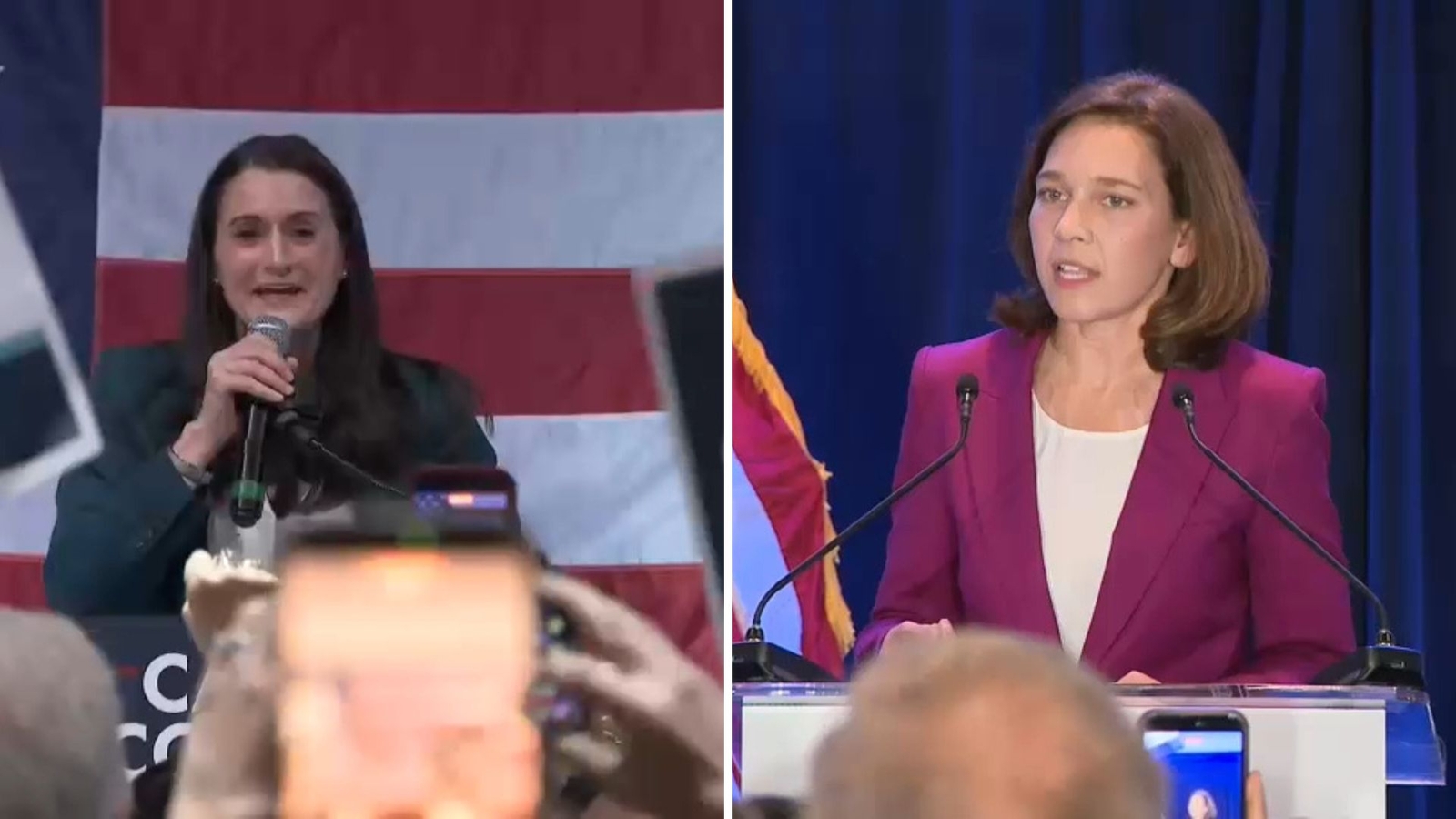
Despite the legal clouds surrounding the race, both camps are projecting confidence. On Wednesday, the Sullivan campaign characterized the contest as a battle against what they termed “the biggest election cheating scandal in the history of Alaska.” Conversely, Peltola addressed her supporters on Tuesday night, noting the national news that Democrats had won enough seats to gain control of the Senate.
“It’s going to take a long time to make sure we’re counting every vote from every far-flung hinterland community, from every tiny outpost, from all of our service members serving overseas, our young people going to colleges,” Peltola said during her Tuesday night appearance.
The Governor’s Office and the Future of Ranked Voting
While the Senate race dominates headlines, the gubernatorial contest to succeed term-limited Republican Gov. Mike Dunleavy is also proving to be a tight race. Jonathan Kreiss-Tomkins is attempting to become the first Democrat elected to the office in a generation. He faces three other Republicans, including business owner Bernadette Wilson, who was endorsed by President Donald Trump.
The friction within the Republican party has been palpable. During a rally in Wasilla last month, President Trump explicitly criticized the state’s ranked voting system, labeling it a “scam.” Despite this, state Republican leadership has encouraged voters to rank the three GOP candidates to maximize the party’s chances of success. Wilson stated on Wednesday that she was “cautiously optimistic for the days ahead.”
The broader question of whether this electoral system will persist is also on the ballot. Alaskans were asked to decide for the second time in two years on a ballot measure seeking to repeal the open primary and ranked vote general election system that was approved by voters in 2020 and took effect for elections in 2022. Voters narrowly rejected a repeal effort two years ago.
For now, the state remains in a period of patience. With ballots still arriving from rural communities that rely on air and water transport for mail delivery, the final results will not be official until the state finishes its work later this month.