Ohio Voters Reject Data Center Expansion in Local Ballot Measures
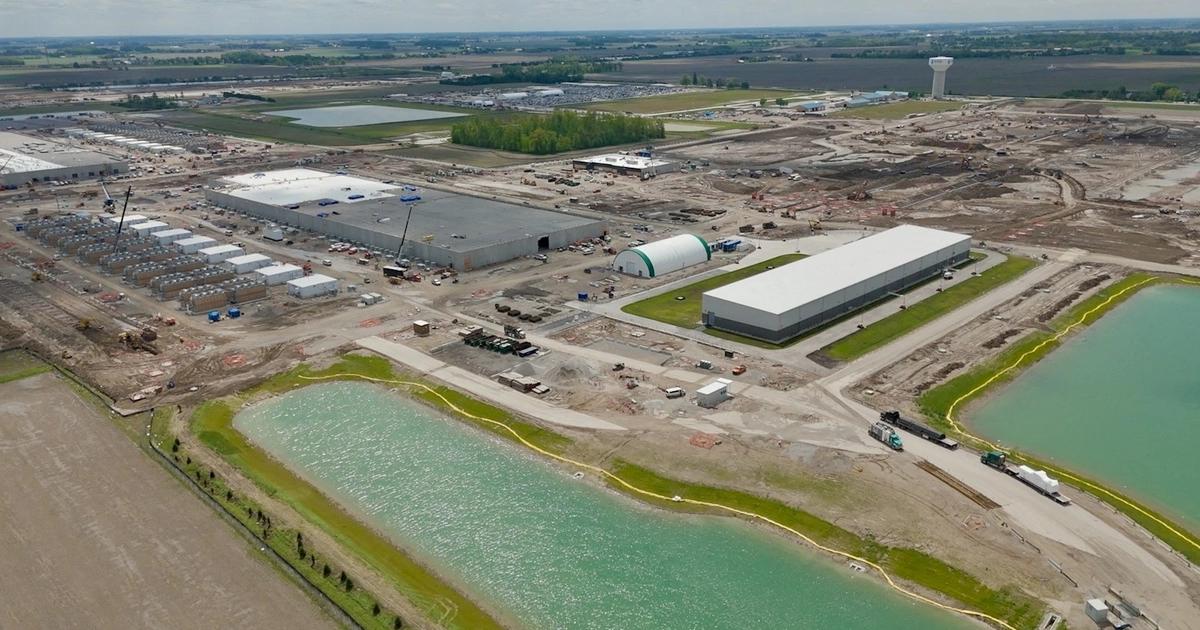
In Piqua, Ohio, the political tide turned sharply against the tech industry this Tuesday. Voters approved a ban on large data centers and simultaneously recalled the commissioners who had backed a massive Meta project in the area. This electoral rebuke was not an isolated incident; less than 50 miles away in Trenton, residents passed a similar ban, while in Ashville—a village positioned outside the heart of Ohio’s data center boom—voters successfully repealed the village’s deal with developer EdgeConneX. These Ohio elections were just one component of a nationwide wave of skepticism toward data centers, appearing in numerous ballot initiatives involving moratoriums, prohibitions, or increased oversight and regulation.
The stakes of these local decisions are becoming increasingly clear for the tech giants involved. Meta, for instance, had already committed significant resources to the Piqua project, having purchased more than 600 acres for about $110 million and signed agreements with the city in January. Following the vote, a Meta spokesperson told Semafor that the company is proud of its investments in Ohio and will work with local officials to determine the future of its investment in Piqua.
In Trenton, the local community’s decision effectively blocks a proposed 600-acre Amazon campus on land that the city had hoped to annex. While an Amazon spokesperson did not directly comment on the vote, they stated that the company is committed to setting a high bar for responsible data center development in Ohio and will continue engaging communities early as it builds out this important infrastructure. Meanwhile, projects already in the middle of development may face different realities; EdgeConneX indicated that its Ashville project is moving forward because its permits are secured and construction is underway.
Market Volatility and the Cost of Infrastructure Skepticism
The financial ripple effects of these grassroots movements are beginning to show in the equity markets. Companies that provide the physical components for data center construction saw their share prices drop sharply on Wednesday. Modine, a maker of data center HVACs, saw its stock fall by about 21%, while Sterling Infrastructure, which handles site preparation and electrical work, experienced a 21% decline.
Conversely, the stocks of the tech giants—the so-called hyperscalers—tended to move in the opposite direction. Traders appear to be betting that increased regulatory resistance will force these companies to rein in the rapid spending that has pushed their free cash flow to negative territory. Andrew Pauker, a US Equities Strategist at Morgan Stanley, noted to Semafor that stricter construction regulations could paradoxically make the tech giants’ compute capacity even more valuable.
The industry is changing as well. Data from Cleanview reveals that over 40% of planned data center capacity in the United States is situated in jurisdictions where current or incoming governors have either implemented or promised a freeze on new facility construction. While this does not mean the data center buildout will grind to a halt, it does suggest that markets are pricing in a slowdown.
This conflict reflects a tension between the massive energy and physical demands of modern infrastructure and the desire of local communities to exert control over their land use and zoning. While the tech industry frames these facilities as essential economic drivers, the residents in places like Piqua and Trenton are highlighting the trade-offs that come with hosting them. As these ballot measures continue to proliferate, the friction between national technological ambition and local civic autonomy is likely to remain a defining feature of the sector’s expansion.


