Appeals court allows New York City to proceed with luxury second-home tax
“Today, an appeals court rejected an attempt by the ultrawealthy to avoid paying their fair share and ruled in favor of the City,” Mayor Zohran Mamdani said in a statement following the decision. The ruling, handed down by an appeals court in Brooklyn on Wednesday, clears the way for the city to continue the rollout of its controversial pied-à-terre tax, abc7NY reported.
The decision effectively overturns a previous ruling from a Staten Island court that had found the city’s implementation of the tax was flawed. While the ruling is a significant victory for the Mamdani administration—which has continued to collect the surcharge despite ongoing litigation—the legal battle over the tax’s very existence is far from over.
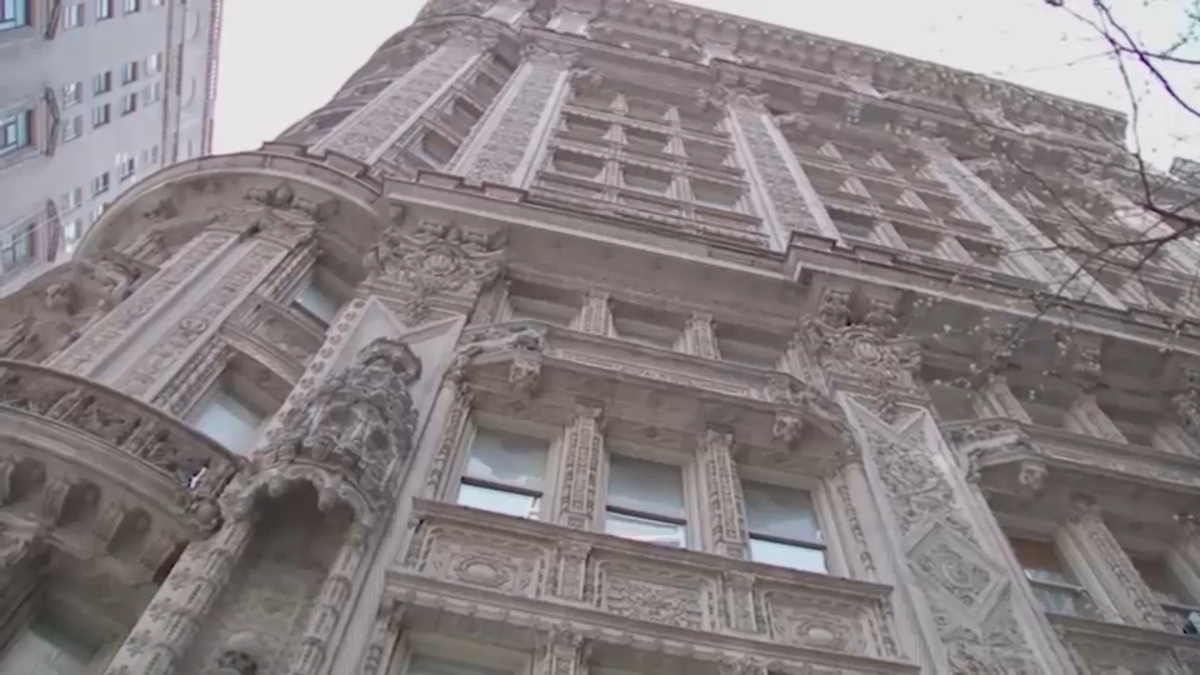
The pied-à-terre surcharge targets luxury second homes, specifically one- to three-family homes, condominiums, and co-ops valued at over $5 million that are owned by individuals whose primary residence is located outside of New York. The tax was a joint proposal between Mayor Mamdani and New York Governor Kathy Hochul in April, intended to help bridge the city’s budget deficit by funding public services like cleaner parks, safer streets, and essential infrastructure.
The legal battle moves from procedure to constitutionality
While Wednesday’s ruling addressed the procedural aspects of how the tax was rolled out, it did not settle the fundamental question of whether the tax is legal. The court’s decision focused on the method used by the Finance Department to notify taxpayers, rather than the merits of the surcharge itself. This distinction is critical for the property owners currently fighting the measure.
The specific lawsuit addressed in this ruling involved approximately 17,000 residents who received notices from the Finance Department alerting them that they were subject to the tax. These homeowners argued they were not provided sufficient time to prove whether or not they actually qualified for the surcharge. By ruling in favor of the city, the appeals court used a procedural “offramp” regarding standing, rather than deciding if the tax itself violates the law.
Two other pending lawsuits are currently challenging the tax on constitutional grounds. These legal challenges argue that the surcharge violates state constitutional provisions that limit the amount of real estate tax a city can collect annually. Plaintiffs contend the tax is discriminatory under the U.S. Constitution because it specifically targets residents of states other than New York.
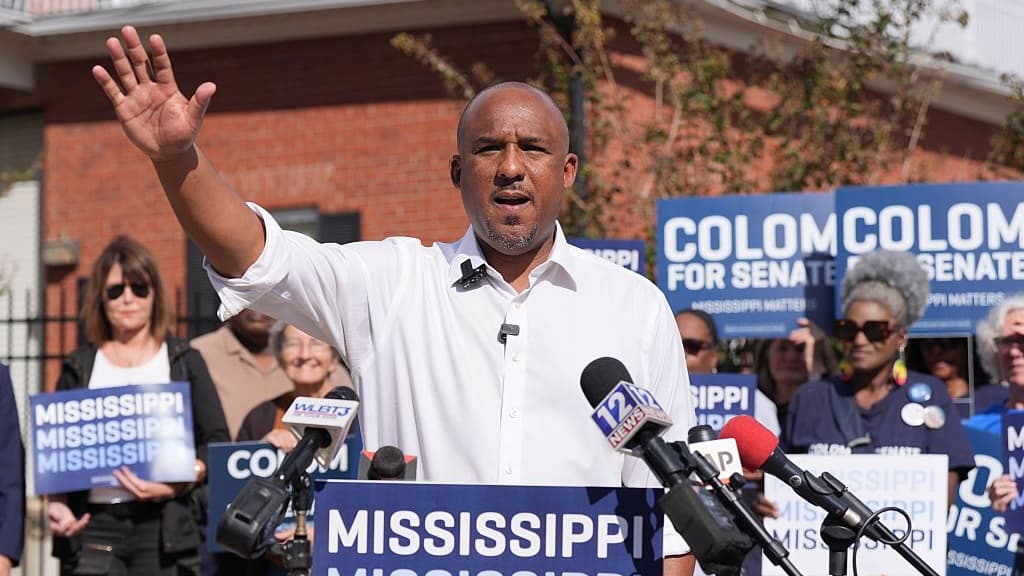
“The court today took the procedural offramp of standing to avoid addressing the merits of this case. What the City has done here is unconscionable—trying to ensnare thousands of people who don’t owe this surcharge into having to prove they live in their own homes or else have to pay it,” said Randy Mastro, Partner and Co-Chair of Securities & Complex Litigation.
Mastro, who served as the first deputy mayor of New York City under former Mayor Eric Adams, criticized the city’s rollout as “botched” and “chaotic.” He argued that the data collection scheme forces innocent homeowners to undergo a burden of proof to avoid being taxed incorrectly.
A looming decision for New York City taxpayers
Mayor Mamdani has maintained that owning a luxury second home in New York City carries a social responsibility to contribute to the city’s upkeep. He noted that the administration will continue to work with partners in Albany to defend the law against ongoing challenges in Suffolk County.
The immediate focus for legal teams on both sides now shifts to next month. That is when another court is expected to decide on the actual constitutionality of the pied-à-terre surcharge. If the plaintiffs succeed in their arguments regarding the state and federal constitutions, the entire tax program could be invalidated.
For now, the city’s fiscal strategy remains tied to the collection of these funds.
“The ultimate day of reckoning for this ‘pied-a-terre’ surcharge will occur next month when its constitutionality will be decided, and we remain confident we will prevail and put an end to this unconstitutional surcharge altogether,” Mastro said.