California Approves Sites Reservoir Permit to Clear Path for Major Infrastructure Project
Amanda Mitchum stood before state regulators and tried to describe what is about to vanish beneath the surface of a valley northwest of Sacramento. She told the board that filling the proposed basin would permanently cover the exact footprints and trails her father walked with his mother, walked with her, and she walks with her children. Moments later, the State Water Resources Control Board voted unanimously to approve a water right permit for the Sites Reservoir, clearing the way for construction of the state’s first new major reservoir in decades.
State officials and water agency managers argue that the $7 billion infrastructure undertaking is a vital tool for adapting to extreme droughts and floods driven by climate change. Governor Gavin Newsom celebrated the decision late Wednesday, stating that it proves California can get big infrastructure projects moving again and declaring that it is time to get shovels in the ground. Construction is scheduled to begin next year and conclude in 2034.
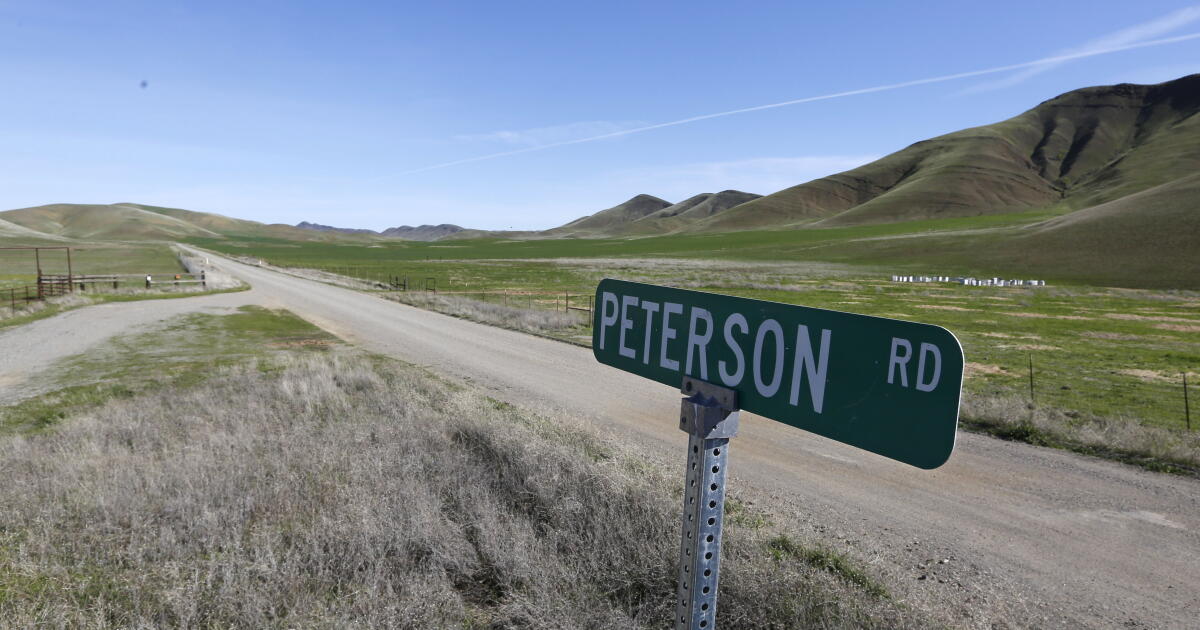
The project will feature two large dams roughly 300 feet high, along with nine smaller ones, holding water pumped from the Sacramento River. It will inundate about 15,000 acres in a valley near the community of Maxwell. When completed, it is slated to be the largest reservoir built in California since the completion of the New Melones Dam on the Stanislaus River in 1979, holding up to 1.5 million acre-feet of water.
Weighing the Benefits Against Environmental and Cultural Costs
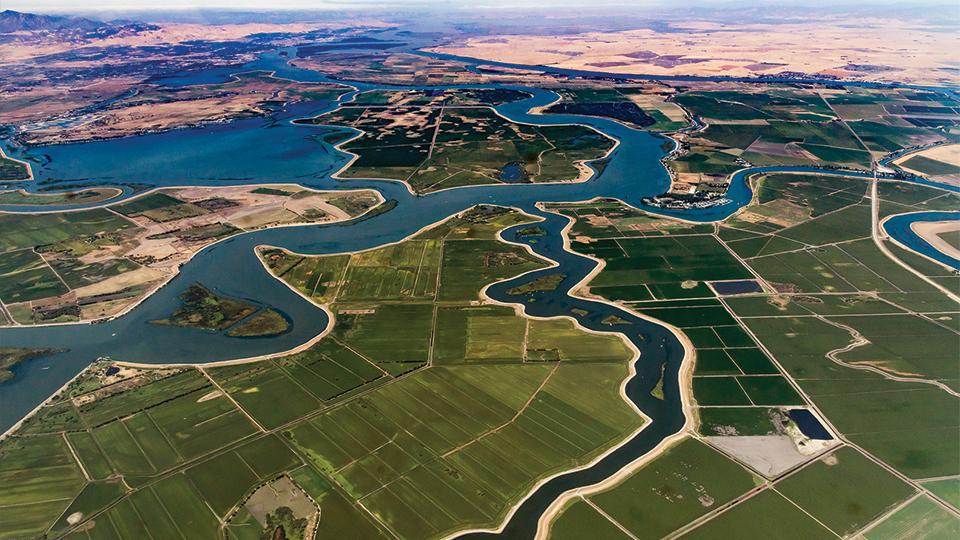
The path to approval has been fiercely contested since the current iteration of the project took shape starting in 2010, echoing debates that date back to the 1950s. Environmental organizations, fishing advocates, and native leaders urged the board to reject the permit. They argued that siphoning water out of the Sacramento River will harm salmon and other native fish, warm up river temperatures, worsen algae blooms, and degrade the aquatic ecosystem in the Sacramento-San Joaquin River Delta.
Keiko Mertz, policy director of the environmental group Friends of the River, criticized the project as a costly endeavor that delivers a trickle of new water while threatening river health. Native activists were equally blunt during the administrative hearings overseen by a judge-like officer. Theresa Moore of the Chhé’ee Fókaa Band of Northeastern Pomo told the board that officials were corruptly embracing a role as rubber-stamps for water profiteers and politicians.
Supporters countered that shifting precipitation patterns require modern engineering. Natural Resources Secretary Wade Crowfoot noted that water systems once considered the envy of the world were not built for the current climate. The Metropolitan Water District, which supplies water for nearly 19 million people across Southern California, is among the large agencies planning to help shoulder the costs.

Funding and Next Steps for Construction
Financing relies on a mix of state and federal commitments, including more than $1.3 billion allocated from California’s Proposition 1 bond measure approved by voters in 2014. The state and federal governments have pledged to pay for about one-third of the total construction costs.
Now that the water right permit is secured, leaders of the Sites Project Authority will spend the next four months working to finalize funding commitments from participating water agencies. Jerry Brown, the authority’s executive director, indicated that the agency will then be ready to start taking out loans and making final preparations to start construction.