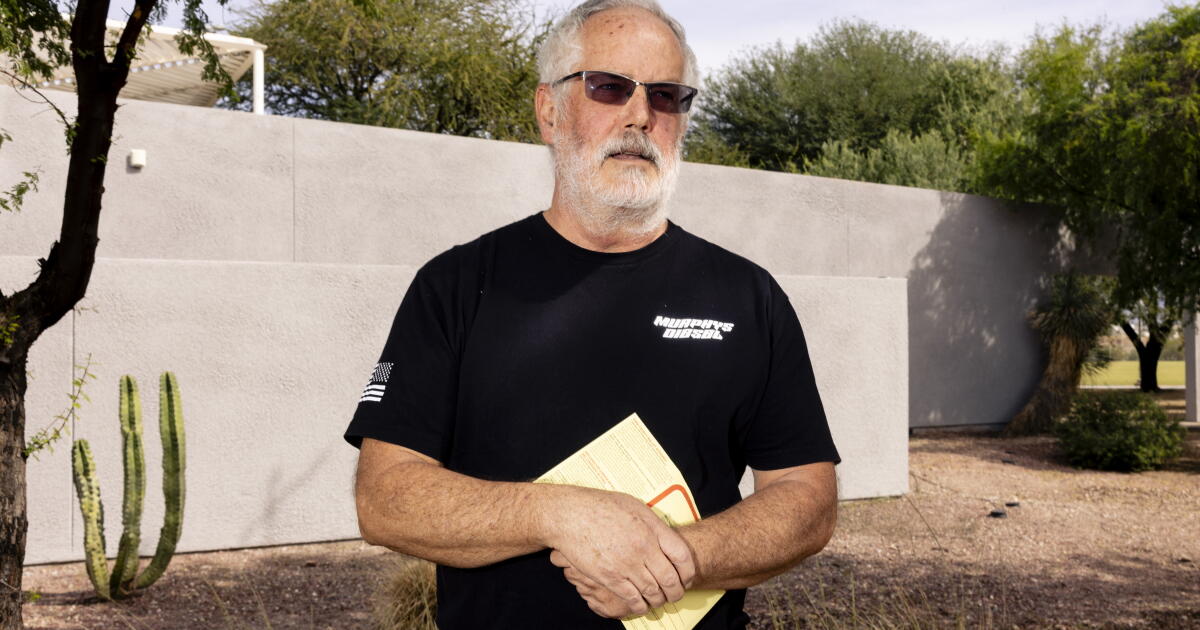
On March 26, Annelise Simmons embarked on her usual morning walk around the peninsula and failed to return home. A pickup truck fatally struck the 78-year-old retired teacher and bed-and-breakfast owner while she was in the red-brick crosswalk at King and Broad streets. Now, months after that fatal morning, her husband is asking Charleston leaders to permanently alter how the city values human life on its roadways.
Jack Simmons stood before the Charleston City Council to ask elected officials to carve out $1 million in the upcoming municipal budget specifically for pedestrian safety projects. As the city drafts its financial plan for the year ahead, grieving families, local residents, and transit activists are demanding that the municipal ledger reflect a concrete commitment to walkers and cyclists rather than just outward growth.
A Plea at City Hall
That morning in March is “forever engraved in my psyche,” Simmons told the City Council during its October 27 meeting. He argued that the dominance of motor vehicles has inflicted a heavy toll on the historic community. “The automobile has not only destroyed our architecture and heritage with parking lots, but it’s destroying our citizens,” he said.
Simmons was not alone in his appeal. A growing coalition of residents, parents, and local business owners used the public comment period of the Oct. 27 meeting to press city leaders for a recurring funding line item dedicated entirely to street safety. More than 2,000 signatures have been collected on a petition launched this spring demanding the dedicated safety budget.
Hart Hagerty, a seventh-generation Charlestonian, mother, and business owner, crystallized the community’s frustration during the public testimony. “The city’s budget is a reflection of its values,” Hagerty told the council. “It seems the city has made it easier for an outside developer to build in Charleston than for a local family to walk to school in Charleston.”
Weighing the City Ledger Against Public Safety
The financial debate centers on how Charleston allocates its resources. The city’s 2026 budget topped $381 million. Out of that figure, just over $9.3 million was budgeted for its traffic and transportation department, with less than $900,000 of that going toward the “traffic safety” cost center, according to public records.
City leaders are currently applying for grants and using existing funds to address the shortfall. Staff members pursued an additional grant aimed at protecting pedestrians, cyclists, public transit riders, and motorists alike. Securing that grant, however, leaves the city on the hook for a $1 million local match out of a $5 million total project cost. Residents and activists have urged the council to commit the $1 million regardless of whether the grant materializes.
Mayor William Cogswell directed municipal staff to find $1 million to fund additional pedestrian safety improvements across the city. “I think we all know how important pedestrian safety is on our streets,” Cogswell stated at a committee meeting in March, adding that “This can’t come soon enough.”
Upcoming Votes and the Path to the December Budget
Additional pressure is mounting from regional funding measures. Deja McMillan, a spokesperson, told the newspaper that the Nov. 3 ballot in Charleston County would feature a half-cent Transportation Sales Tax referendum providing $22 million to the city for pedestrian and bike upgrades. “No single source of funding or project will solve this alone, so we’ll keep pursuing every resource and partnership we can to make our streets safer,” McMillan said.
City administrators acknowledge that they heard the residents who asked for pedestrian safety to be prioritized. Whether that listening translates into a permanent budget line is not yet clear. “We can’t promise it yet,” McMillan said regarding the request. “Making it work means getting surgical with the budget over the coming weeks.”
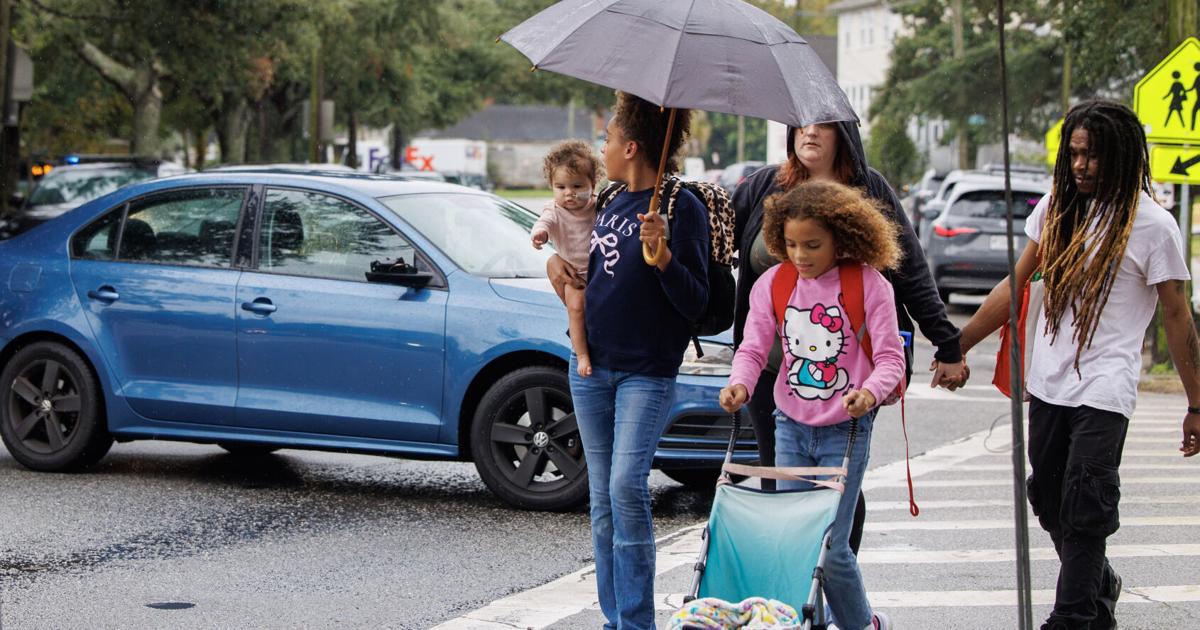
Plans are currently underway by the municipal government to redesign a different intersection where a child on the way to school was hit this autumn. Meanwhile, the clock ticks down toward the first official reading of the city budget, which is scheduled for Dec. 1.