A Contract Ratified
Columbia University’s postdoctoral workers have officially secured a new three-year contract, ending months of tense negotiations that nearly pushed the institution to the brink of a strike. While the agreement is now in effect, the vote revealed a deeply divided workforce. According to reporting by the Columbia Daily Spectator, 58.6 percent of participating members voted in favor of the deal, leaving 41.4 percent of the union in opposition.
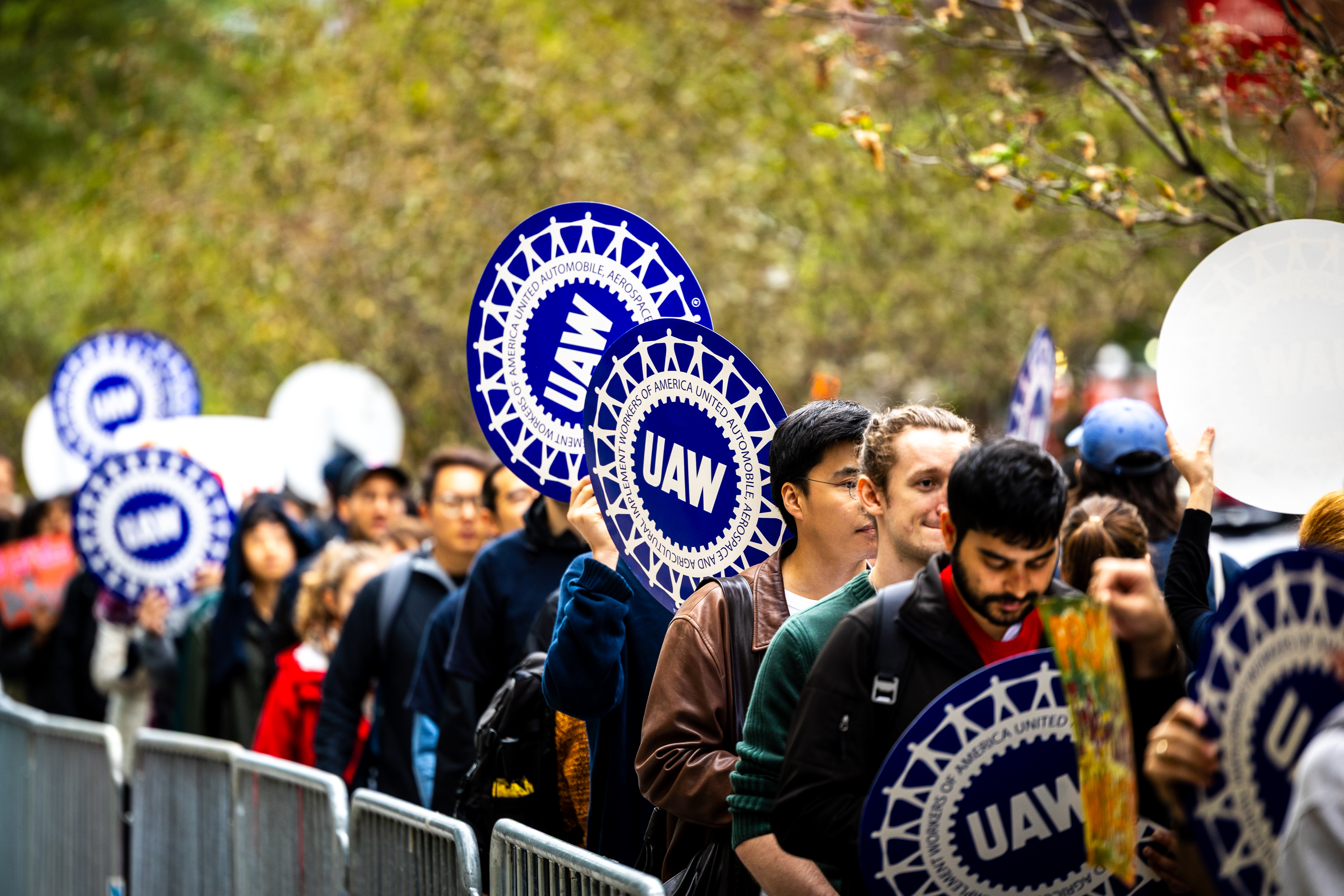
This ratification follows a tentative agreement reached on October 20, which narrowly averted a planned walkout. The Columbia Postdoctoral Workers-United Auto Workers (CPW-UAW), representing roughly 1,600 postdoctoral researchers and associate scientists, had been locked in bargaining since March 31. Their core demands centered on three pillars: higher base salaries, tangible housing assistance, and stronger job security.
The Economic Gap Between Expectations and Reality
The final agreement establishes a $74,000 minimum annual salary for postdoctoral workers. While this is an improvement over the university’s October 16 “last, best, and final offer” of $73,500, it falls significantly short of the $80,000 threshold the union had initially championed. Associate researchers fared similarly, with a new floor of $81,000, well below their requested $95,300.
Beyond the base salary, the contract introduces a $650,000 hardship fund intended to assist workers with unexpected medical or appointment-related costs over the next three years. Starting Monday, eligible workers will see a $300 base salary adjustment, with another $200 scheduled for July 2027, alongside annual 3 percent raises.

Stefano Cataldi, an associate research scientist in the department of psychiatry and a union organizer, noted that Columbia’s compensation structure now lags behind peer institutions like Cornell University. He also pointed to the glaring absence of housing provisions—a point of particular contention given that Columbia remains one of the largest property owners in New York City.
“It is particularly disappointing knowing that Columbia is one of the largest landlords in the city,” Cataldi said.
The Challenges of International Research Careers
The economic squeeze is felt most acutely by the university’s international postdoctoral staff. For these researchers, the lack of housing support is not merely a budgetary inconvenience; it is a structural barrier. Many arrive in the United States without the credit history required to secure a lease in the city’s notoriously competitive rental market. Without institutional backing or significant salary adjustments, these workers must manage the difficult housing market on their own.
A University spokesperson expressed a more optimistic view of the outcome, stating that the school is pleased the membership ratified the successor contract with the aid of the Federal Mediation and Conciliation Service. The university emphasized that these researchers are integral to its academic mission and expressed a desire to continue building upon the relationship.
Looking Toward the Next Cycle
The narrow margin of victory suggests that while the immediate threat of a strike has passed, the underlying grievances that fueled this year’s bargaining cycle remain unaddressed. Anna Yoney, CPW-UAW unit chair and a member of the bargaining committee, acknowledged that the ratification is a success, but she emphasized that the 41 percent opposition vote should serve as a clear message to the university administration.
The union plans to focus on educational outreach, helping members understand the new contract’s benefits while preparing for future negotiations. For Yoney, the goal is clear: the union must consolidate its support to build a larger, more unified majority before the next contract campaign begins. The path forward for the CPW-UAW involves both managing the current agreement and maintaining the momentum necessary to push for the demands that were left on the table during this round of talks. As of now, the university and its research staff begin a three-year period of relative stability, though the internal friction suggests labor relations at Columbia remain active.