Concord Township Solidifies Zoning Rules for Data Centers
Concord Township officials unanimously approved a data center zoning ordinance during Wednesday night’s council meeting.
The ordinance restricts future data center development to light industrial zones, requiring a minimum site size of 12 acres. According to township officials, fewer than five locations within Concord meet these geographical requirements unless a developer chooses to combine existing properties or pursue a reverse subdivision. The policy also mandates a 900-foot buffer between any facility and sensitive areas, including residences, nursing homes, and schools.
Regulating Infrastructure and Environmental Impact
The new rules impose strict operational standards, requiring that power be sourced from a regional utility. The ordinance addresses noise and vibration limits, which vary by time of day, alongside protocols for electronic waste management, fire protection, and eventual facility decommissioning. Diesel generators, intended strictly for backup power, must be housed in sound-attenuated enclosures. If a developer seeks to deviate from these standards, they must provide a plan certified by a professional engineer for municipal review.
Water and sewage management also emerged as a point of public interest. Residents questioned whether developers would be required to utilize the public sewage system. Township officials confirmed that this requirement is in place, as it allows municipal authorities to monitor the load and, if the existing sewage system cannot handle the extra load, the data center would not be permitted. Council President Dominic Pileggi emphasized that this oversight is vital for maintaining township control.
“We are very pleased with this ordinance. Having no ordinance, somebody could have come in with a curative amendment and say you don’t provide for it, you have to give us one. And here is where we want to put it and here is what we want to build,” said Council President Dominic Pileggi.
Legislative Process Highlights Tension Between Growth and Residential Character
The legislative process highlighted the tension between welcoming commercial growth and protecting residential character. While one resident acknowledged the effort to safeguard the township, others questioned whether the ordinance was intended to attract or deter data centers, specifically raising concerns about sound levels. The solicitor noted that the current noise requirements align with or are more restrictive than standards found in other municipalities across southeastern Pennsylvania.
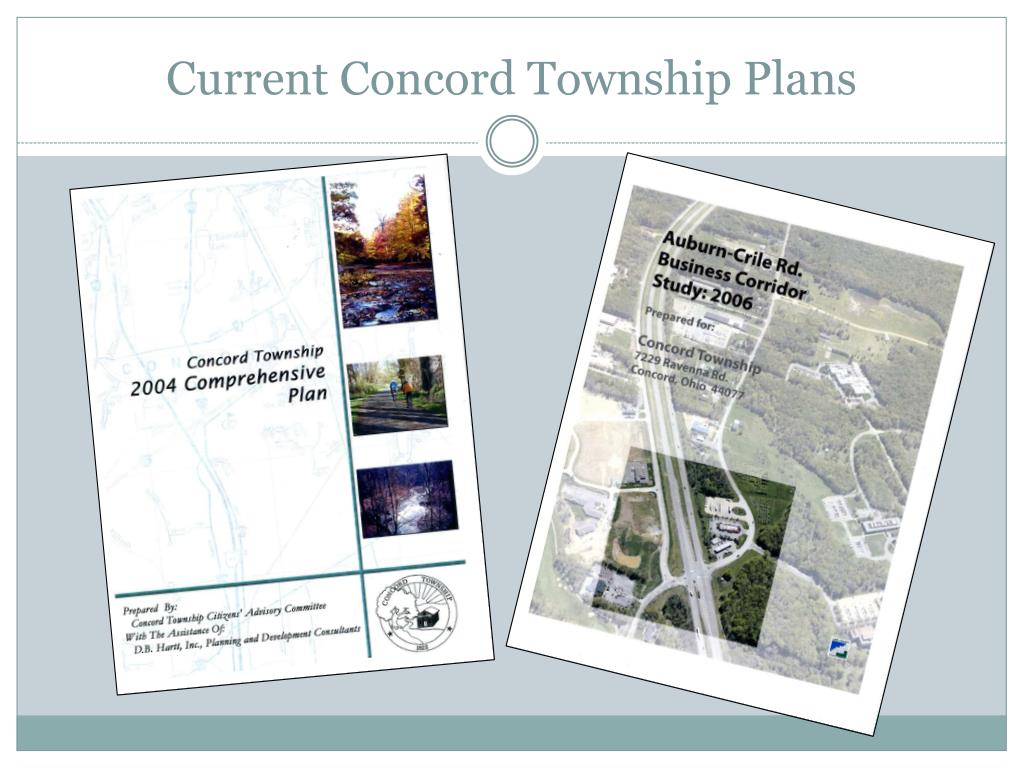
This focus on zoning comes as Concord faces other development pressures. The proposed “The Shoppes at Concord,” a 25-acre commercial project, remains a significant point of contention. That proposal, which includes four fast-food restaurants, a supermarket with a liquor license, and a car wash, was unanimously denied by the township’s Planning Commission in September. Despite the denial, the project is currently undergoing conditional use hearings, with the next session scheduled for Tuesday Nov. 10 at 6 p.m. at the township building.
Beyond land use, the council is also evaluating local service demands. Residents recently raised concerns regarding recurring false fire alarms at the Concord Point apartments. In response, officials confirmed that the specific issue has been addressed, though Council President Pileggi indicated that the board will consider a draft ordinance on the issue.