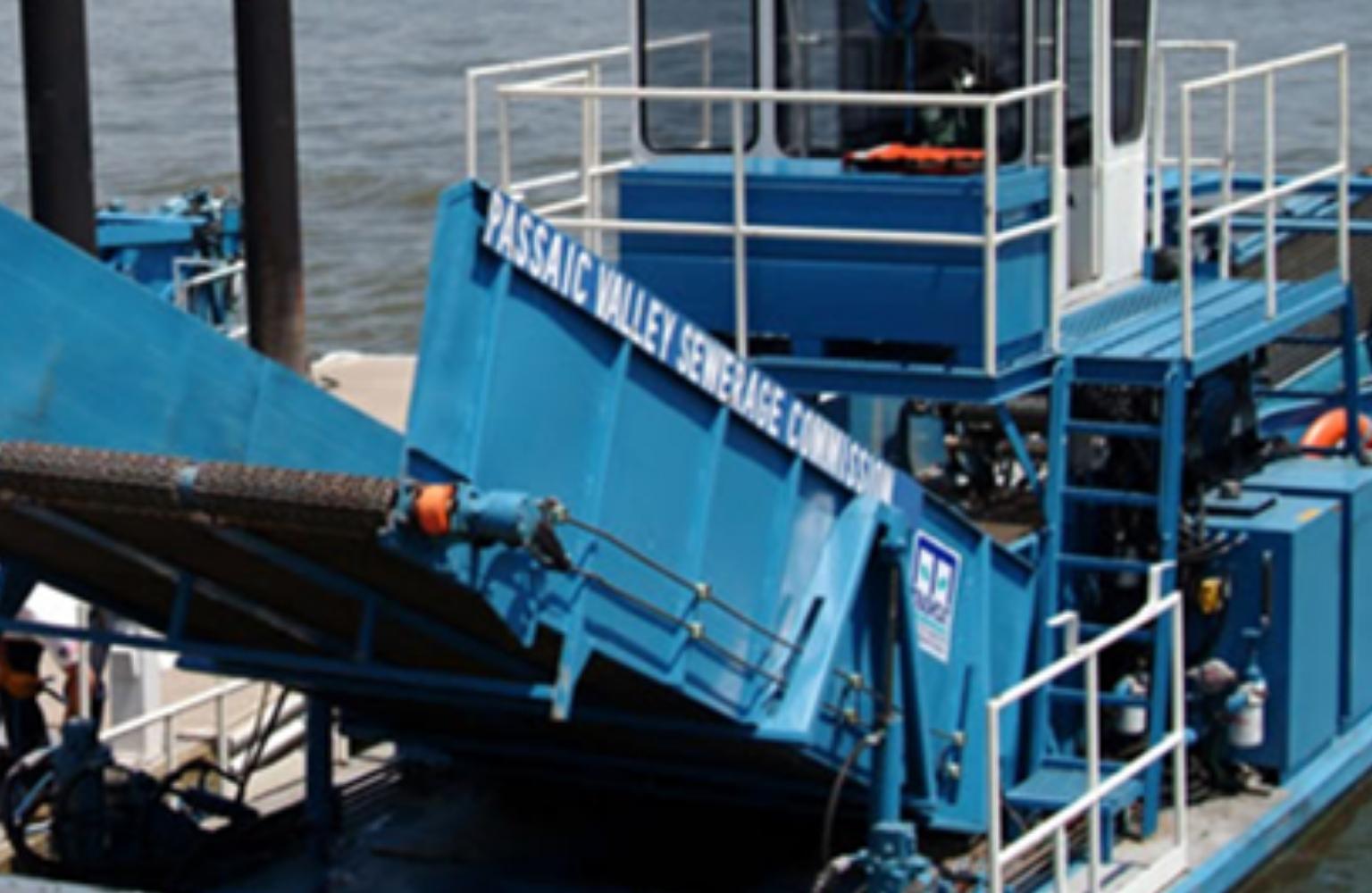
The Passaic Valley Sewerage Commission (PVSC) has tapped West Virginia-based Greasezilla to install a high-capacity fats, oils, and grease (FOG) processing system at its Newark Bay treatment facility. The announcement, confirmed on November 4, changes how one of the nation’s largest wastewater utilities manages the stubborn, costly byproduct of commercial kitchens across Northern New Jersey.
Operating a plant designed for a massive 330 million gallons per day, PVSC services 48 municipalities across Bergen, Essex, Hudson, Passaic, and Union counties. Managing the flow of grease-trap waste is a constant operational headache for these systems. When fats and oils enter the sewer lines, they harden, causing blockages, sanitary sewer overflows, and chronic equipment fouling. By bringing this technology in-house, the commission aims to stabilize its regional conveyance infrastructure while converting a waste stream into a usable commodity.
The Mechanics of Recovery
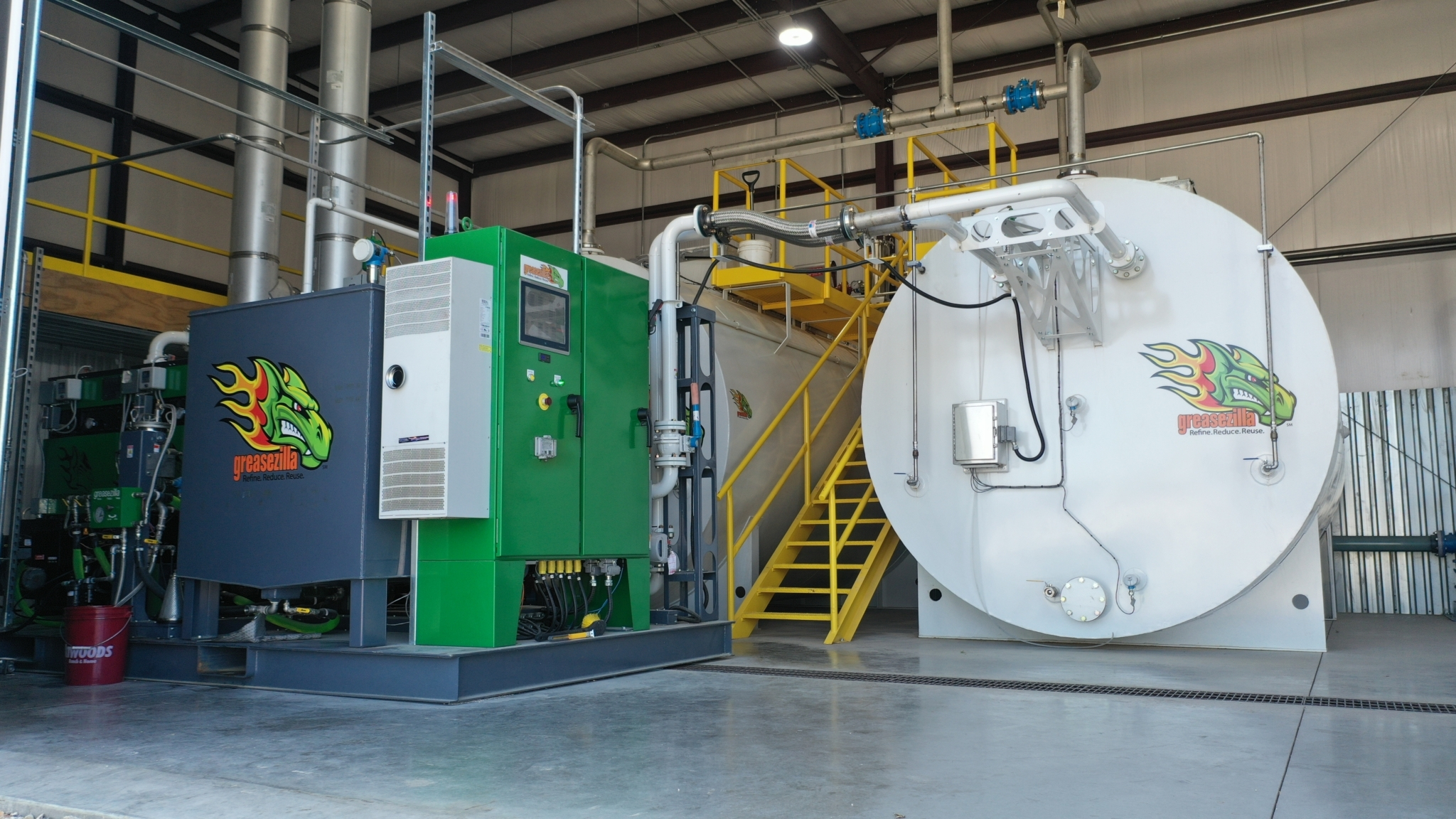
The Greasezilla system is designed to process up to 15 million gallons of hauled grease-trap waste annually. Unlike traditional methods that may rely on chemical polymers to treat waste, this platform utilizes a thermal process. It heats the raw FOG intake to separate it into three distinct components: water, pasteurized solids, and clean, low-moisture brown grease.
The technical integration is designed for efficiency. By tying the new system directly into the existing centralized steam boiler infrastructure at the Newark Bay plant, PVSC avoids the need for a supplementary heating system. This integration is a practical step toward reducing the utility’s operational overhead.
Managing concentrated grease waste is a critical priority for any large-scale utility. By implementing this technology, PVSC is proactively safeguarding our regional conveyance infrastructure, easing operational burdens and costs on our plant, and creating a sustainable resource, said Tom Laustsen, chief operating officer of the Passaic Valley Sewerage Commission. Tom Laustsen
From Sewer Clog to Biofuel
The move isn’t just about waste management; it’s about resource recovery. This system generates brown grease that serves as a high-quality, advanced biofuel feedstock, suitable for creating renewable diesel and sustainable aviation fuel. This repurposing aligns with broader industry efforts to extract value from wastewater streams that were historically treated as liabilities.
For the municipalities served by PVSC, the stakes involve both long-term infrastructure health and fiscal responsibility. Every gallon of grease that is processed and recovered is a gallon that does not contribute to the degradation of the regional sewer network. For modern wastewater utilities, fats, oils and grease represent a persistent and expensive burden, as they lead to chronic equipment fouling, sanitary overflows and sewer blockages.
While the financial terms of the agreement were not disclosed, the scale of the deployment makes it one of the largest systems deployed in the country. Brian Levine, executive vice president of Greasezilla, noted that the project represents a strategic shift for regional utilities. “This project shows how major regional utilities can address the challenges of FOG processing while recovering valuable resources for renewable fuel production,” Levine said.
The facility’s ability to handle such a high volume of waste without the use of chemical polymers provides a cleaner output, which simplifies the treatment process downstream.
The installation at Newark Bay complements the company-owned regional processing hubs Greasezilla has been rolling out nationwide. For a system as large as the PVSC, which averages a flow of roughly 226 million gallons per day, the success of this integration could provide a blueprint for other high-capacity utilities facing similar operational hurdles.