Greenbrier Valley Medical Center to Restore Labor and Delivery Services
The Greenbrier Valley is set to regain a critical healthcare pillar that has been absent from the area. Governor Patrick Morrisey announced that Greenbrier Valley Medical Center will reopen its maternity ward, a move aimed at addressing the persistent struggle to access obstetric care in rural West Virginia. The project is backed by a nearly $4 million Rural Health Transformation Program award and a strategic partnership between Vandalia Health and the West Virginia School of Osteopathic Medicine (WVSOM), as reported by WDBJ.
This initiative represents more than just a facility renovation; it is a structural shift in how the region handles maternal health. By integrating academic clinical training with hospital operations, the state hopes to solve the persistent recruitment challenges that often leave rural hospitals without the staffing necessary to maintain specialized delivery wards. For families in Greenbrier County, the goal is to eliminate the long-distance travel currently required for routine C-sections, epidurals, and the management of high-risk pregnancies.
Governor Morrisey Announces Reopening of Labor and Delivery Services at Greenbrier Valley Medical Center https://t.co/oqR8F9eGph
The Mechanics of the Academic Integration
The partnership relies on a signed Letter of Intent between Vandalia Health and WVSOM to establish an Academic Integration Agreement. Under this framework, WVSOM will serve as the primary academic affiliate for Vandalia Health, a move designed to stabilize the workforce. Implementation is scheduled to begin in phases starting July 1, 2027.
The state’s approach goes beyond the walls of the hospital itself. The $4 million investment will also fund the creation of a new community-based birthing center managed by WVSOM. Dr. Arvin Singh, the Secretary of Health, emphasized that the strategy is to create a unified system rather than treating hospital-based care and community services as separate entities. This coordination aims to provide a clearer path for patients, ensuring that prenatal and postpartum care, lactation support, and birth preparation are linked directly to the higher-level hospital resources at Greenbrier Valley Medical Center.
Addressing the Rural Healthcare Gap
The decision to target maternity services arrives against a backdrop of national concern. According to the federal Government Accountability Office (GAO), more than half of rural counties do not have a hospital that provides these services. This phenomenon has forced expectant mothers in rural areas to seek care in urban centers, often at the cost of both time and safety.
WVSOM President James W. Nemitz highlighted that the Greenbrier Valley situation is a microcosm of this broader national crisis. The involvement of the medical school is intended to turn the region into a training hub, establishing a rural obstetrics program specifically designed to attract and retain physicians who might otherwise gravitate toward larger metropolitan health systems. This effort also aligns with the state’s participation in the federal Transforming Maternal Health Model, a long-term initiative focused on improving outcomes through better technology and care coordination.
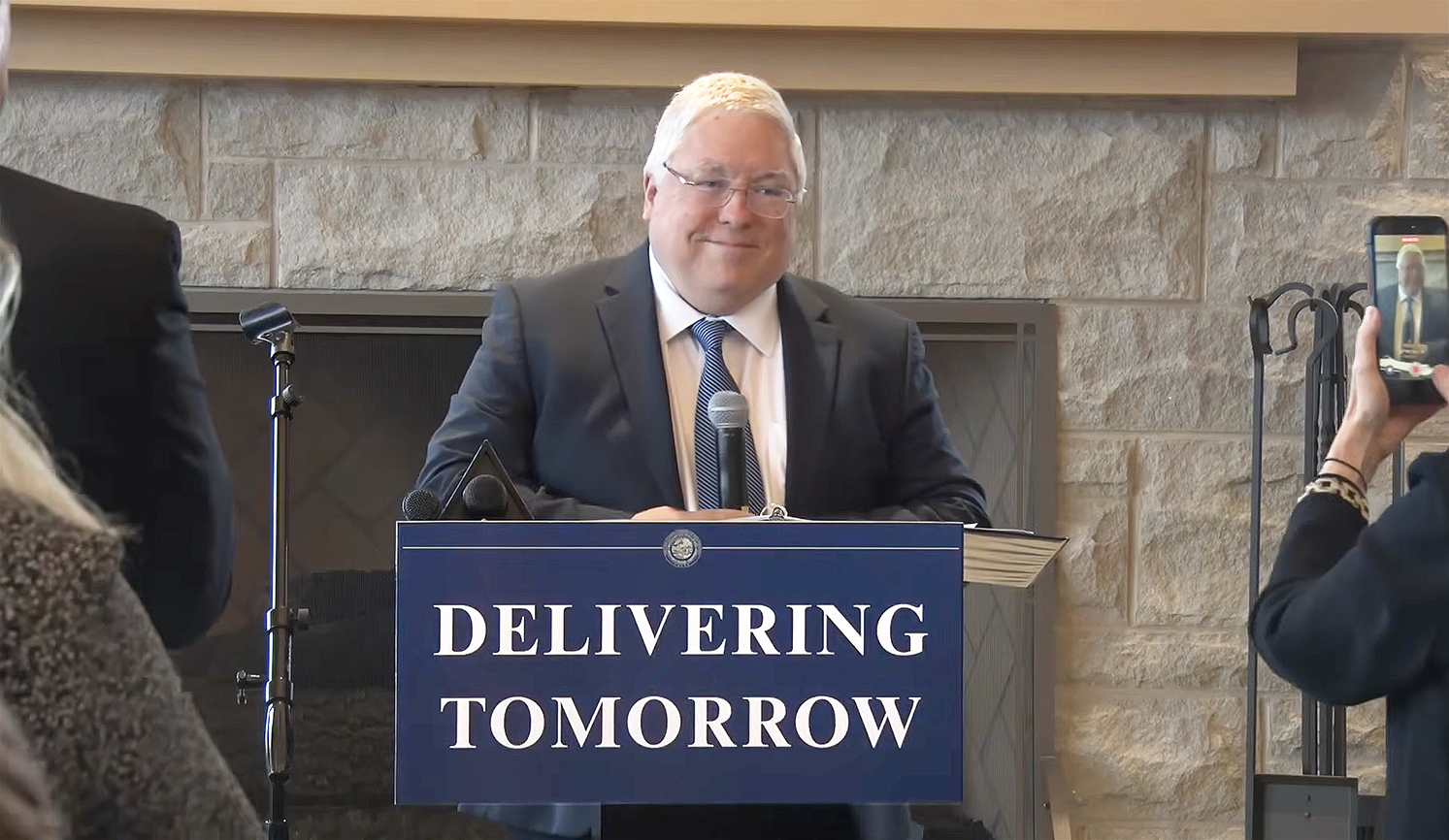
Morrisey Administration Frames Investment as Foundational Economic Move
The Morrisey administration is framing this investment as a foundational economic move. Beyond the immediate health benefits, the availability of local maternal care is viewed as a prerequisite for regional growth. When families have reliable access to essential services, they are more likely to put down permanent roots, which in turn provides the stability local businesses need to justify further investment.
However, the project remains subject to final agreements and necessary approvals, meaning the timeline is contingent on completing the complex administrative requirements of hospital operations. While the state has secured the funding and the intent, the actual delivery of services will depend on the successful execution of the phased staffing plan. For the residents of the Greenbrier Valley, the success of this model will be measured not by the policy agreements signed in Charleston, but by the ability to access care within their own community when the time comes to deliver.
The labor and delivery services will reopen at the Greenbrier Valley Medical Center, Gov. Patrick Morrisey announces. MORE WV NEWS >>> https://t.co/HIXw79qcFt pic.twitter.com/AsP5snwpiH
Great news for families in the Greenbrier Valley! We're bringing labor and delivery services back to Greenbrier Valley Medical Center and investing nearly $4 million to establish West Virginia's second freestanding birthing center. That means more access to care, more options…