The Trump administration announced an interim final rule on Monday to block Chinese companies from obtaining advanced artificial intelligence computing power through overseas data centers, closing a long-standing oversight gap.
The move comes as President Donald Trump prepares for a high-stakes trilateral summit with Chinese leader Xi Jinping and Russian leader Vladimir Putin at the APEC conference in Shenzhen.
The regulation targets data centers operating in Indonesia, Malaysia, Singapore, Thailand, and Brazil, requiring operators in those hubs to obtain special licenses before supplying large volumes of computing power to firms headquartered in restricted nations.
The restrictions apply to the D:5 group of embargoed countries, which includes China, Russia, Iran, and North Korea. The Commerce Department indicated that these specific locations were targeted because they “present a higher-than-normal risk of diversion.”
New: Scott Bessent pushed through a new rule within Howard Lutnick’s own Commerce Department restricting China’s access to advanced U. S. AI chips. The extraordinary bureaucratic power struggle exposes deep divisions within the Trump administration over how to confront China. w/…
However, developers in restricted countries could legally access high-end chips by renting them from remote facilities located in Southeast Asia and other third countries. The new rule extends licensing requirements to shipments directed into the five named nations unless the hardware is explicitly destined for local entities.
The rule covers indirect access through brokers and requires operators to scrutinize customer ownership structures to ensure they are not run by entities from the D:5 group.
“The measure is a long-overdue step in the right direction to address China’s remote access to huge computing hubs in Southeast Asia and elsewhere,” said Ryan Fedasiuk, a senior fellow at @JoinFAI who focuses on AI. “The decision reflects that the Trump administration is taking…
Officials in Singapore stated on Tuesday that they were carefully evaluating the regulatory text. “We are engaging affected companies to understand the potential impact on their businesses,” the Ministry of Energy, Trade and Industry said, adding that the government is studying the details of this new measure carefully.
The policy shifts significant operational responsibilities directly onto foreign cloud providers and hardware buyers. Neil Shah, vice president of research at analyst firm Counterpoint, observed that operators in regional hubs now face massive client verification demands. “Data center operators in hubs such as Singapore, Malaysia and Indonesia will now face massive 'Know Your Customer's Workload' requirements,” Shah told The Register.

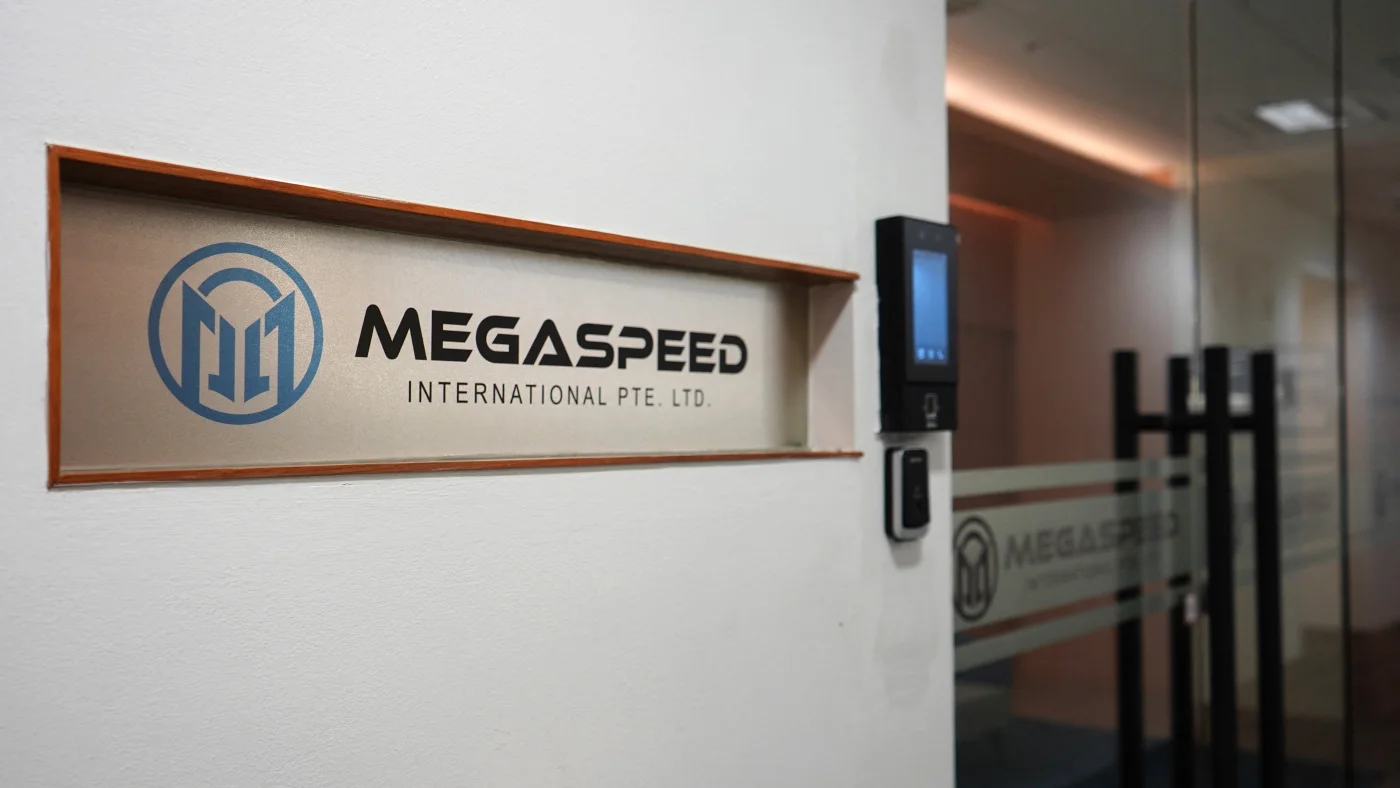
The regulatory tightening follows intense bipartisan scrutiny on Capitol Hill regarding semiconductor diversion, catalyzed by federal investigations into Singapore-registered data center customer Megaspeed International. The Department of Commerce and the Department of Justice confirmed a criminal investigation into Megaspeed, tracing an initial probe back to 2024 export control inquiries. In May 2026, Culper Research reported that Megaspeed’s Malaysian subsidiary, Speedmatrix, had imported goods worth approximately $4.6 billion between December 2024 and January 2026.
Economic fallout from the Nvidia scandal and the new export rules has been felt in Asian markets, with Japan’s Nikkei 225, South Korea’s Kospi, and Hong Kong’s Hang Seng Index all closing in the red following the announcement. Despite the tension, Ben Emons, managing director at Highline Asset Management, said that the base case is that the controversy “won't derail the leader-level relationship in the near term.”
Earlier coverage: Trump Administration Moves to Close A.I. Chip Loophole Ahead of China Trip


