Forestry England crews are rebuilding seed banks and protecting vulnerable terrain across more than a square kilometer of the New Forest following an August blaze that charred rare habitats and damaged roots of ancient beech and oak trees.
August Wildfire Scorches the New Forest
A burning van sparked a wildfire on August 9 that ultimately destroyed more than 1 square kilometer, or 247 acres, of the New Forest. The flames ravaged rare heathland and ancient woodland while burning deep into the surface layer of peat in boggy sectors, compromising the soil’s carbon storage capabilities.
Dave Morris of Forestry England described the severity of the aftermath.
Large areas were reduced to piles of charcoal, burnt soils and torched trees. At that time, it was difficult to imagine it would ever fully return to a place where nature could thrive.
Dave Morris, Forestry England
The fire forced the closure of the A31, a route connecting Hampshire and Dorset, for nearly two weeks. Emergency services faced steep operational challenges, with the response efforts estimated to have cost the fire service £600,000.
Crews Spread Harvested Heather over Scorched Terrain
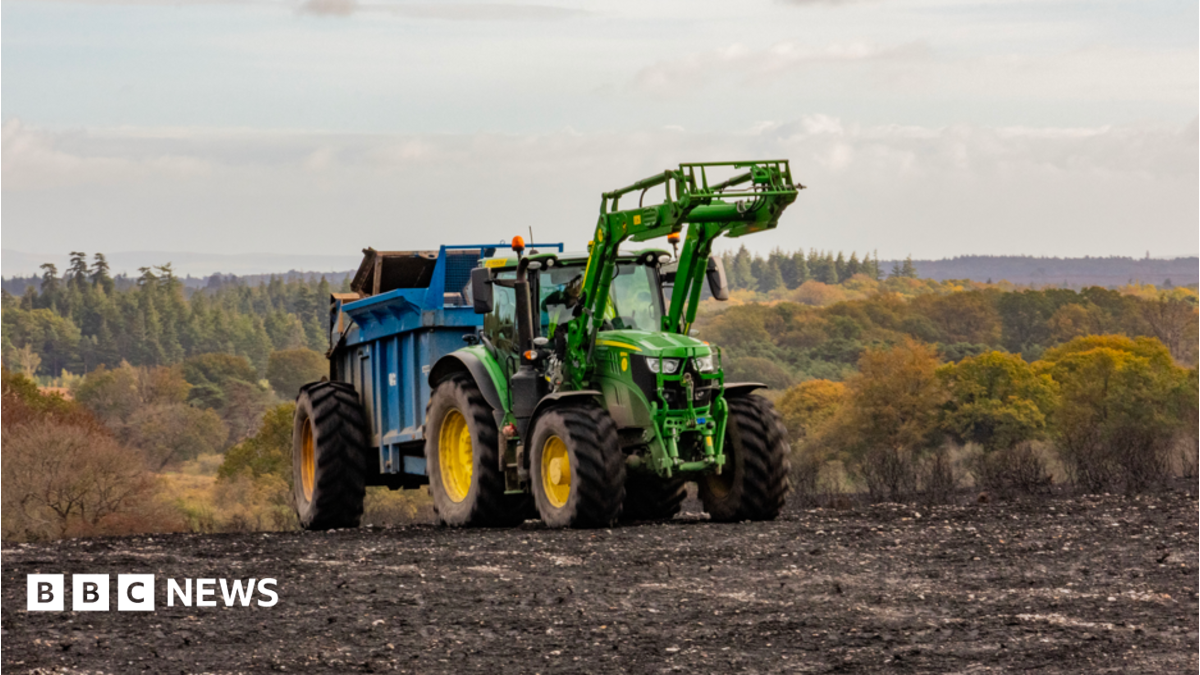
Restoration work is underway across more than a square kilometer. Specialist teams from Forestry England have initiated a long-term recovery project to revive the scorched terrain. Staff harvested seed-rich heather from nearby sections of the forest because the fire stripped away surface plants and burned underground to destroy natural seed banks. Crews spread this harvested heather over the hardest-hit ground to establish a protective mat that fosters new plant growth.

Forestry England noted that the past site is thriving and fully restored nearly 40 years later, utilizing a recovery method it previously deployed after a wildfire in 1989 struck part of the New Forest.
The boggy zones have demonstrated the quickest rebound while teams also evaluate methods to shield the damaged root systems of ancient beech and oak trees. Plants and wildlife are already returning because those wet areas slowed the fire and sustained minimal damage. Morris observed that with the right help at the right time, we can give it the helping hand it needs.