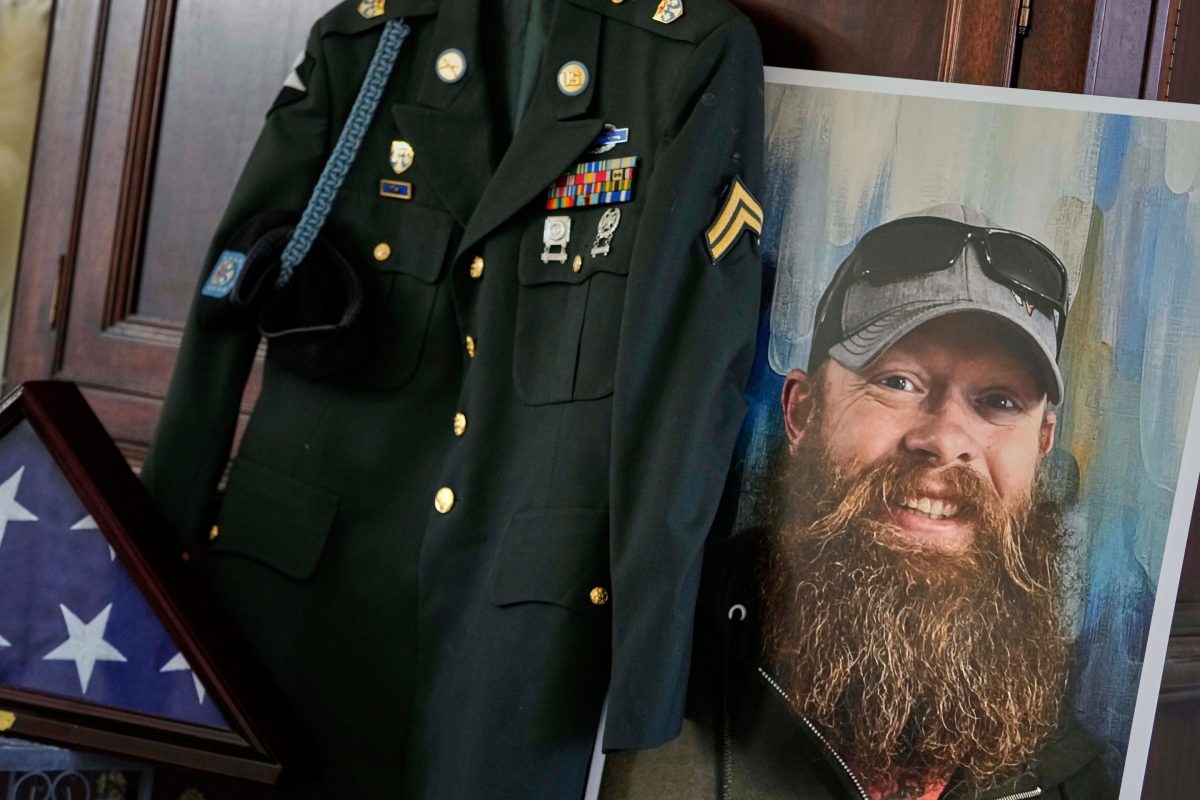
An Arizona appeals court ordered a new sentencing hearing for road-rage killer Gabriel Paul Horcasitas, ruling that a digitally recreated, AI-generated video of victim Christopher Pelkey forgiving his shooter should not have influenced the courtroom.
The Arizona Court of Appeals overturned a 10.5-year manslaughter sentence in a ruling that tests how artificial intelligence can shape criminal proceedings. Gabriel Paul Horcasitas was originally convicted for the 2021 fatal shooting of 37-year-old Christopher Pelkey during a dispute at a traffic light in Chandler, Arizona.
Family Constructs AI Video for Sentencing
During the sentencing hearing last year, the family of Christopher Pelkey presented an unusual courtroom exhibit. Stacey Wales, the victim’s sister, constructed the digital recreation using photographs, video footage, and audio recordings of her brother. In the courtroom, the synthetic version of Pelkey wore a grey baseball cap and spoke directly to the defendant and the judge.

“To Gabriel Horcasitas, the man who shot me, it is a shame we encountered each other that day in those circumstances. In another life, we probably could have been friends, I believe in forgiveness, and a God who forgives. I always have and I still do.”
AI-generated depiction of Christopher Pelkey, via Indiatoday and Philstarlife
Attorneys representing Horcasitas challenged the use of the digital recreation on appeal. They argued that the technology carried an undue emotional weight
and an artificial sense of authenticity that a standard family statement read aloud would lack.
Judge Todd Lang Praises the Digital Exhibit
The courtroom presentation clearly influenced Judge Todd Lang, who presided over the initial sentencing. According to the appeals court ruling, the judge expressed appreciation for the technology before handing down the prison term.
“I loved that AI, thank you for that. As angry as you are, as justifiably angry as the family is, I heard the forgiveness. I feel that that was genuine.”
Judge Todd Lang, via Indiatoday
The judges determined that the digital file went beyond documenting an actual event or playing a genuine recording.
Appeals Court Rejects Synthetic Evidence
The appellate panel ruled that the trial court erred by allowing the digital presentation into the record. The judges emphasized that the exhibit reflected the creator’s imagination rather than documented reality.
“Rather than document an event or recording a particular moment, the AI video presents a depiction of the victim and his thoughts created from the imaginings of the victim’s sister.”
Arizona Court of Appeals, via Indiatoday and Philstarlife
The panel upheld Horcasitas’s manslaughter conviction but ordered a fresh sentencing hearing without the disputed video evidence. His lawyer, Kristen Reller, who filed the appeal, declined to comment. Efforts to reach victims’ counsel Jessica Gattuso for a statement regarding the matter were likewise unsuccessful. Gabriel Paul Horcasitas was originally convicted for the 2021 fatal shooting of 37-year-old Christopher Pelkey.


