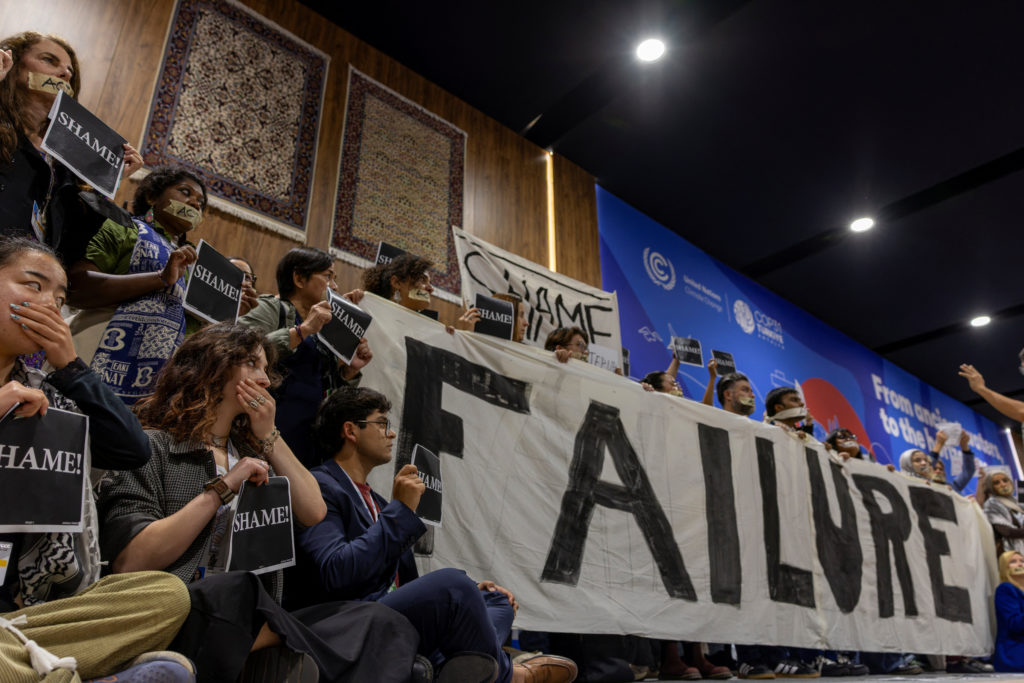
UN climate talks in Antalya, Turkey, collapsed into overtime on Friday after a draft agreement stripped out every reference to fossil fuels, leaving nearly 200 nations deadlocked on the final day of COP31.
The two-week summit, which was scheduled to end Friday evening, failed to produce a consensus text after Saudi Arabia and other major oil producers objected to language calling for a phase-out of coal, oil and gas.
An earlier draft released Monday by co-host Australia had included strong calls to accelerate that transition, but a revised version Thursday removed the language entirely. The omission sparked immediate backlash from climate-vulnerable nations, the European Union, and civil society groups, who warned the summit risked becoming a “fossil summit” rather than a climate one.
Fossil fuel language vanishes after Saudi objections
The reversal marks a sharp retreat from the 2023 Dubai agreement, where countries agreed for the first time to “transition away from fossil fuels.” Alden Meyer said that fossil fuels went unmentioned in UN decisions for more than 30 years until that breakthrough.
“It would be a real setback if we come out of here with no signal that we were serious about what we agreed to do three years ago,” Meyer said.
We are close to the finish line but not there yet.
Turkish Environment Minister Murat Kurum, COP31 president
Kurum promised that a third version of the final document will be delivered Saturday morning after overnight talks. “Yes, we are tired, and we have put in a great deal of effort—but we still have the capacity, right here in this hall, to convey truly meaningful messages to the world,” he said.
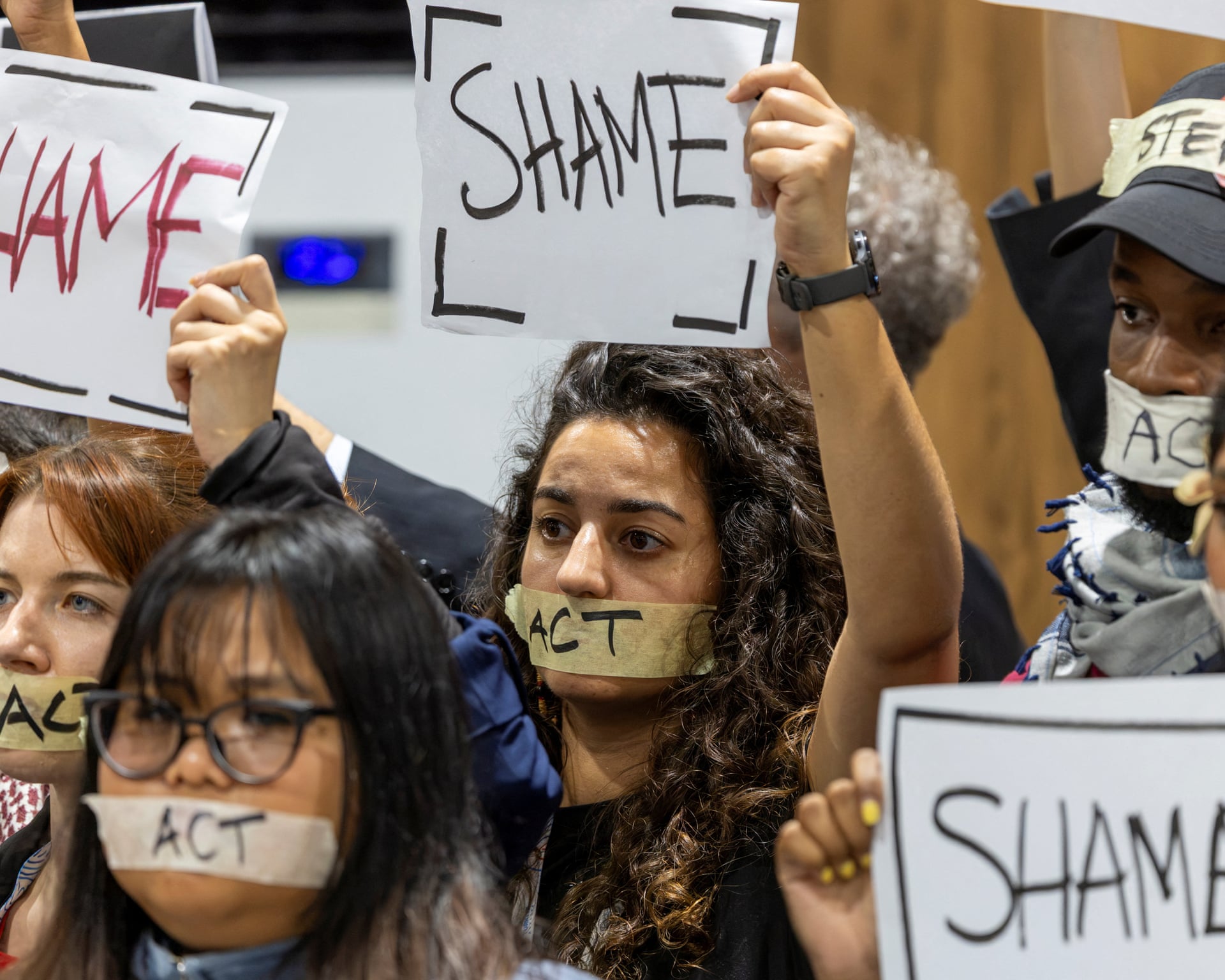
“By reaching a consensus, we can effect real change.” A third draft is expected Saturday morning after overnight negotiations.
Panama leads rebellion, threatens formal objection
Panama emerged as one of the countries pushing back against the draft agreement. Environment Minister Juan Carlos Navarro declared the omission unacceptable and vowed that they simply will not put up with it. “It is not acceptable to have a COP or a cover document that does not even mention fossil fuels, and we simply will not put up with it,” Navarro said.
France’s Minister of Ecological Transition Monique Barbut echoed the criticism, targeting the draft’s emphasis on carbon capture, utilisation and storage (CCUS). She called the technology a licence for countries to keep burning oil and gas.
“We cannot be announcing to the world that we are now getting to 1.5 increase in the temperature and do business like nothing was happening,” Barbut said. Neil Grant, a senior mitigation expert at Climate Analytics, described CCUS as a “Trojan horse for fossil fuel interests” being pushed into the text by oil-producing nations.
Electrification target leaves door open for fossil power
The draft proposes raising the share of the world’s final energy consumption that comes from electricity to 35 percent by 2035. It does not say the power must come from renewables, and some countries want the target to say “clean”. Some countries also reject a push to expand carbon capture, a technology that traps emissions from power plants and factories.

Adaptation finance target dropped, Africa Group protests
Developing nations suffered a second blow when a proposed $120 billion target for money to help poorer countries adapt to climate change was removed from the revised text. African ministers held a dramatic press conference Friday, arguing their countries are being asked to pay for a crisis they did not cause.
“We did not come here to beg,” said Zanetor Agyeman Rawlings, Ghana’s Environment Minister and chair of the African Group of negotiators. “We came here to claim what is rightfully ours for our people who are suffering the brunt of anthropogenic activities of developed countries.”
The EU defended its record, with a senior official stating the bloc and its member states are providing €32.3bn [£27bn] from public sources and mobilising €9.3bn in private finance in 2025 to support developing countries. Civil society observers, however, accused richer nations led by the EU of obstructing progress on finance all week.
1.5°C goal already breached, US absent
For the first time at a COP the agreement — known officially as the Antalya Accords — acknowledges that the 1.5 increase in the temperature is occurring. A UN report last month found the world is set to pass the 1.5-degree-Celsius (2.7F) warming limit set under the 2015 Paris Agreement. The United States, the largest historical emitter, is absent for a second year after President Donald Trump ended climate cooperation.
Murat Kurum, born in 1976 in Ankara, served as a construction engineer and site manager before joining the Mass Housing Development Administration in 2005. He later led the European Side Implementation Branch of TOKİ’s Istanbul department and became general manager of its subsidiary, Emlak Konut GYO A.Ş., in 2009.

Appointed Environment and Urbanization Minister in 2018, he ran for mayor of Istanbul in early 2024, then returned to the cabinet in July 2024. President Recep Tayyip Erdoğan named him COP31 president on December 26, 2025, tasking him with managing preparations, communications and the Action Agenda for the Antalya summit.
Civil society groups declared none of their priorities made it through the negotiations. The last COP meeting to finish on time was in Italy in 2003; delegates now face a weekend of talks to avoid another failure.
>