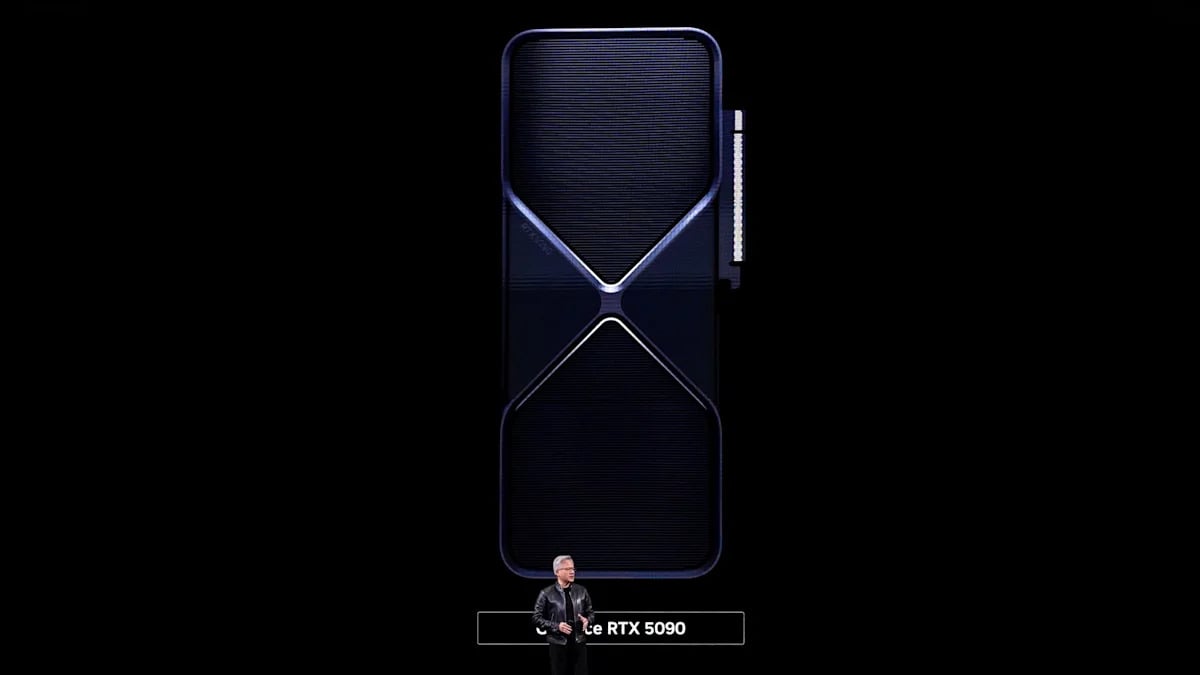
The uncertainty surrounding the future of the GeForce RTX 5090 reached a peak on October 16, 2026, when Jeff Fisher, Nvidia’s senior vice president overseeing consumer computing, addressed the speculation directly. Speaking at an event in Taipei, Fisher rejected claims that the product had reached its end of life. He emphasized that the card remains a critical part of the company’s lineup, though he did not provide specific details on how production volume is distributed among the various derivative products that utilize the same underlying silicon.
Micro Center Removes RTX 5090 Models from Shelves
Reports emerged that the U.S. retailer Micro Center had updated its catalog status for various RTX 5090 models to Not Carried,
a designation that typically indicates a retailer does not expect to restock an item. This move followed an anecdotal account from a Reddit user who claimed to witness store employees removing RTX 5090 units from shelves on October 9, one day before widespread rumors of a production halt began to circulate online.
While models from partners such as Asus, MSI, and Gigabyte remain listed on various websites, they are largely out of stock at physical locations. The only notable exception found in most stores is the Asus GeForce RTX 5090 ROG Astral Edition 20, which is bundled as part of a 20th-anniversary package priced at nearly $11,000. The card’s scarcity has driven secondary market prices above its original $1,999 MSRP, with some listings in Germany reaching approximately €5,999. While the card launched in January 2025 at that original price point, surging demand for powerful hardware to drive generative artificial intelligence workloads sent market prices soaring far higher.
Strategic Silicon Reallocation to Data Centers
The primary driver of the confusion appears to be the high demand for the GB202 silicon, which powers both the consumer-grade RTX 5090 and Nvidia’s more lucrative professional RTX Pro lineup. Analysts note that Nvidia faces a reality where every GB202 die routed to a professional or data-center card yields significantly higher revenue than one placed in a gaming unit. Instead of channeling the crucial silicon solely into gaming hardware, the company can direct the exact same physical components into enterprise units like the RTX Pro 6000 Blackwell, RTX Pro 5500, and RTX Pro 5000, where industrial markets are willing to pay a steep premium.
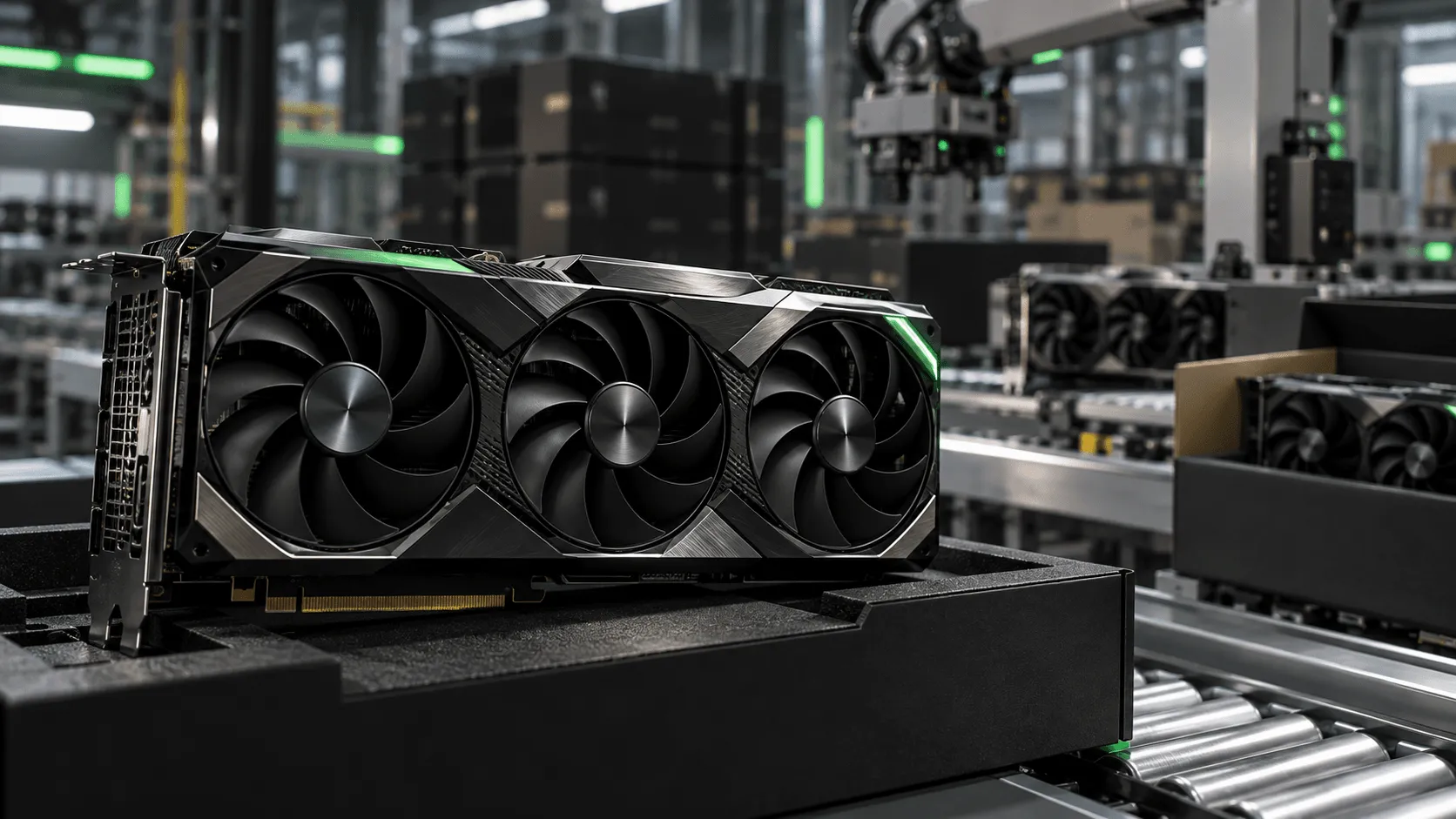
This reallocation strategy explains the market tension. According to Nvidia, the situation is not a discontinuation of the RTX 5090; rather, it is a matter of constrained supply chain production capacity. As Nvidia maneuvers its product distribution, specialized hardware options like the RTX PRO 5500 Workstation Edition arrive equipped with an expansive 84GB of GDDR7 memory alongside multi-instance partitioning features designed specifically to help enterprises consolidate processors inside server racks.
Open Questions on Future Allocations
Despite Fisher’s assurances, questions regarding the actual volume of shipments remain unanswered. While the company has denied that the RTX 5090 is discontinued, it has not disclosed whether new allocations of GB202 chips for board partners have been finalized. Retailers continue to deal with inventory shortages, and it is unclear how the current supply constraints will impact consumer pricing and availability in the coming months. For now, the flagship card remains in the catalog, but it is effectively operating as a halo product—highly visible, yet increasingly difficult for the average consumer to acquire.