Ahmed al-Shalh spent more than 10 years inside Syria’s Sednaya prison before surprise amnesties freed him on May 3, 2022, according to DNYUZ.
Assad regime security forces detained Mr. al-Shalh in 2012 when he was 19 years old.
Ten Years Inside Sednaya Prison
Security forces dragged Mr. al-Shalh from his bed in 2012 during the early years of the Syrian uprising, the Syrian Network for Human Rights documented. Accused of being a rebel who shot at government soldiers, he denied the charge and insisted he had only joined peaceful protests without ever holding a gun.
Most of his decade-long detention unfolded in Sednaya prison’s overcrowded cells. Prisoners endured paltry rations, outdoor beatings under freezing rain, and metal rod interrogations, the reporting details. His teeth rotted from beatings, lack of dental care, and chewing olive pits when food ran out.
Detention left physical marks across his body, including a smashed knuckle on his ring finger, a scar above his left eye, and scars on the bottom of his feet.
Return to a Life of Tents and Debt
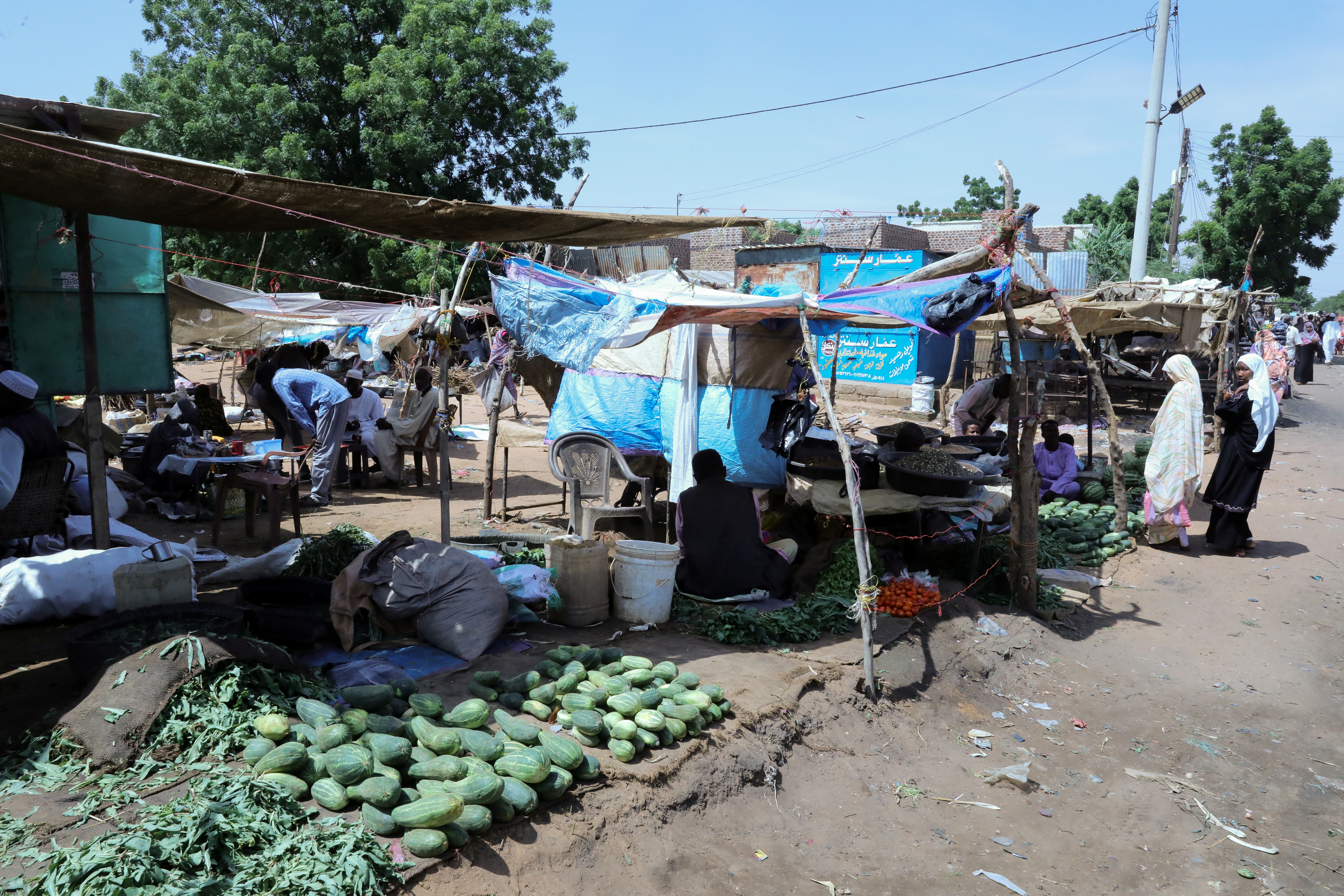
Release brought no real homecoming. His family lived in a ramshackle tent, and he slept on a thin mattress on the ground.
Months after walking free, he still sat in a corner with his knees gripped tight to his chest while guards’ threats echoed in his ears, speaking only in a whisper when he spoke at all. His mother, Muna Ariditi, found him curled in fetal positions to make himself small.
Ahmed, you’re not in prison anymore.
Muna Ariditi, verified role
She repeated those words constantly because she wanted him to forget, but the trauma remained. His brother Mahmoud eventually forced him outside to walk around neighboring tents and windy camp roads. He earned less than $1.50 a day picking olives during the harvest season.
Ahmed al-Shalh faced difficulties as he attempted to reintegrate into society.
Former Detainee Relives Prison Trauma in Military Jail
Ahmed al-Shalh said that he was not mistreated during a subsequent month-long stay in a military prison after a neighborhood melee, but he admitted that “I wanted to smash my head against the wall,” the experience made him want to smash his head against the wall.
He recounted thinking that he was back in Sednaya while locked up again, and shared that the ordeal led him to reflect that sometimes he wishes he never got out of prison, according to reporting cited by DNYuz.
His struggles to adjust to civilian life, despite the joys of marriage and fatherhood, highlight the complexities of rehabilitation and reintegration into society, as noted in reporting from MyNews.
He expressed deep concern for his children’s future, while DNYuz said that Sednaya remains a symbol of the Syrian government’s brutal treatment of dissent and opposition, and SignalsMonitor reported on the security story under the headline “Freed From a Notorious Syrian Prison, but Still Trapped by Its Terror” for the New York Times Homepage.
Combat Offers Calm for Ex-Prisoner Amid Housing Crisis
Revolutionaries held cachet for former detainees, and front-line combat became the only place Mr. al-Shalh felt relaxed as he pictured Sednaya guards while shooting at unseen enemies.
The Syrian Network for Human Rights is a UK-based NGO that monitors casualties and maintains one of the most rigorous tallies of Syrian citizens forcibly disappeared throughout the conflict.
To document cases like Mr. al-Shalh’s, the organization relies on actual counts of reports received from direct witnesses or family members rather than using extrapolations or estimates. This methodology has led major news outlets to recognize the SNHR as a rigorous and credible source for reliable, conservative numbers.
When their landlord demanded higher rent that his $250-a-month military salary could not cover, the family moved into a metal prefabricated shelter unit erected after the 2023 earthquake.