US special envoy Jared Kushner announced that American diplomats are focusing on facilitating direct engagement between Moscow and European partners following talks in the United Arab Emirates.
The diplomatic push follows a two-day round of negotiations in Abu Dhabi involving Russian and Ukrainian delegations under American sponsorship.
The meetings concluded without a wider ceasefire agreement or a breakthrough on territory, but resulted in a provisional agreement to carry out a prisoner exchange.
Kushner and fellow envoy Steve Witkoff held separate meetings in Moscow with Russian President Vladimir Putin and in Dublin with Ukrainian President Volodymyr Zelenskyy.
Statement on Meeting Between the United States, Ukraine, and European Partners: Ahead of the upcoming trilateral discussions with Russia, representatives of the United States, Ukraine, and European partners met to continue their close coordination on efforts to end the war in…
Kushner said that “our focus is now on facilitating direct engagement between Moscow and European partners and preparing the agenda for the next round of trilateral talks”.
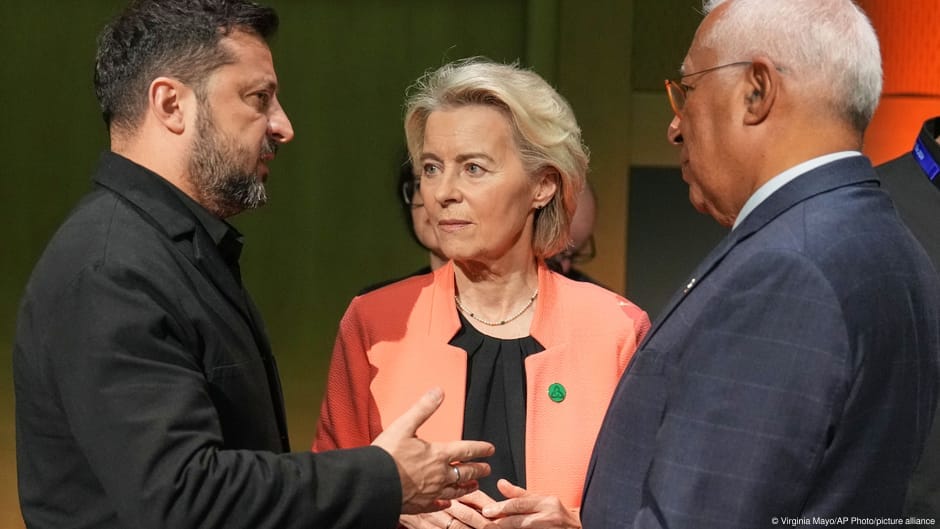
The talks in the Emirati capital also brought together senior officials from France, Germany, the United Kingdom, Italy, the European Commission, the European Council, and NATO.
While delegations coordinated ahead of upcoming trilateral sessions, the Russian team did not interact with European representatives during the meetings.
“It's going to be a big agreement and it's going to involve more than Ukraine,” US President Donald Trump said after meeting Russian presidential envoy Kirill Dmitriev at the White House.
Russian presidential aide Yury Ushakov said that Vladimir Putin and Donald Trump will continue discussing a settlement during their planned meeting at the Asia-Pacific Economic Cooperation (APEC) summit in China.
The diplomatic effort has triggered immediate pushback from European capitals.
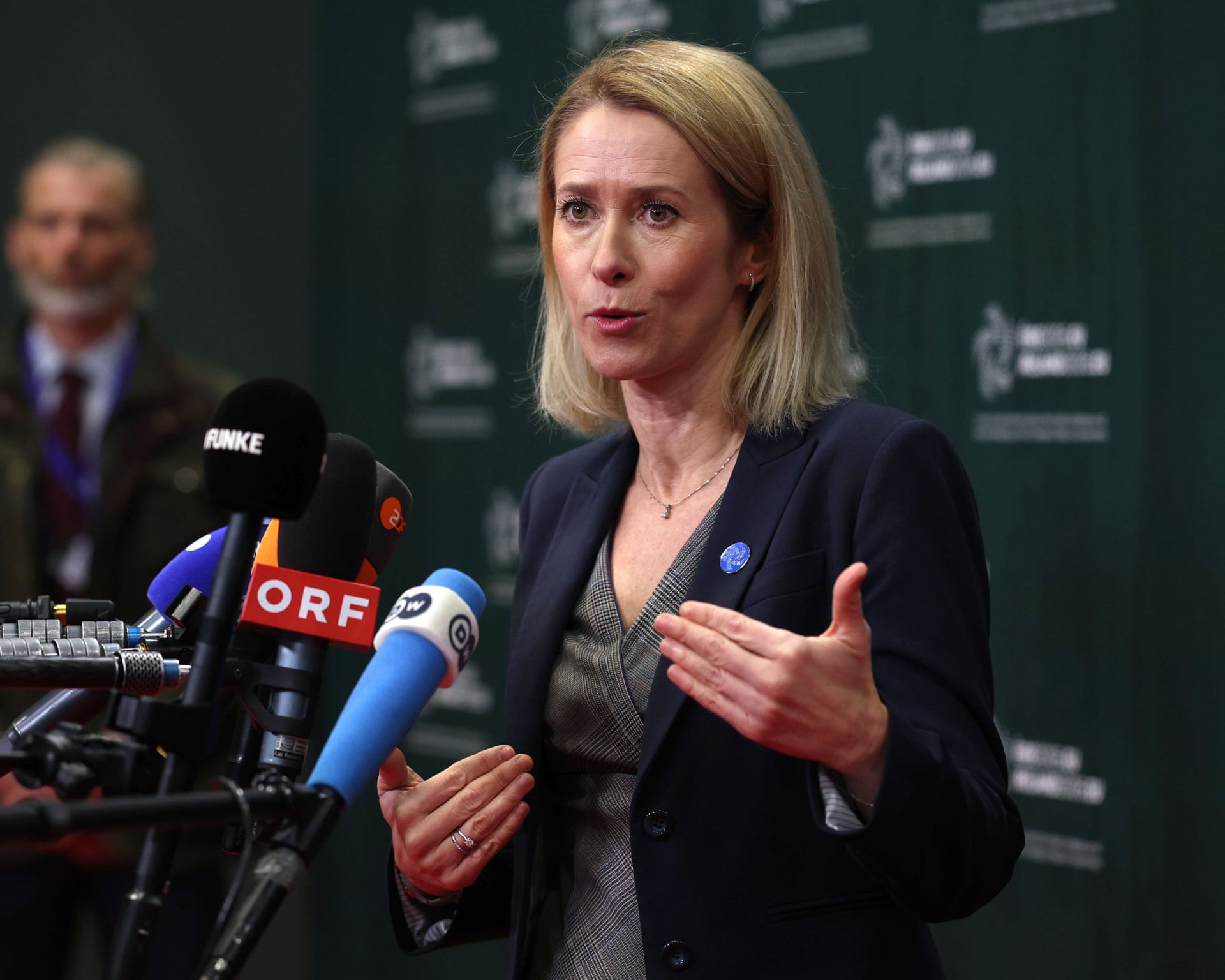
EU foreign policy chief Kaja Kallas warned during an EU leaders’ summit in Dublin that Moscow is attempting to start a debate about European security to divert attention from its aggression in Ukraine.
Following our trilateral meetings and subsequent discussions with Presidents Putin and @ZelenskyyUa, @SEPeaceMissions and I have remained in close consultation with Russia, Ukraine, and our European partners on next steps. Our focus now is on facilitating direct engagement… pic.twitter.com/uRzYjo2nws
We have one aggressor and one victim, and the aggressor does not have security concerns. Nobody has ever attacked them. They have attacked others.
Kaja Kallas
Kallas said that Europe already possesses a functioning security framework established by the 1975 Helsinki Accords, the Paris Charter, and the 1994 Budapest Memorandum.
German Chancellor Friedrich Merz said that Russia wants to talk about questions of a European security architecture, but his country does not need to discuss a system that already exists.
Cold War historian Michael Kimmage said the phrases concerning European security architecture are Russian talking points and part of a media propaganda effort designed to frame the war according to Moscow’s preferences.
Estonian Prime Minister Kristen Michal said the renewed discussions on security architecture are a trap set by Moscow.
European leaders have catalogued numerous international agreements that Moscow has violated since relative stability ended with the 2008 invasion of Georgia, the 2014 annexation of Crimea, and the 2022 full-scale invasion of Ukraine.
These violations include the UN Charter, the 1975 Helsinki Act, the Charter of Paris for a New Europe, the OSCE framework, and the 1994 Budapest Memorandum, through which Russia, the United States, and the United Kingdom provided security assurances to Ukraine in exchange for its nuclear arsenal.
Discussions have also touched on potential territorial compromises and future alliances.

Zelenskyy revealed that US negotiators asked during the Abu Dhabi meetings whether Ukraine would withdraw from the Donbas region in exchange for NATO membership.
Zelenskyy rejected the possibility of surrendering territory.
Russian presidential aide Yury Ushakov told reporters in Moscow that Russia is prepared to begin immediately discussing proposals for a new security architecture alongside the US.
Ushakov also proposed a humanitarian mission in Kostiantynivka involving about 400 to 500 civilians remaining in the settlement.
Earlier coverage: European Diplomats Press Rubio for Role in Russia-Ukraine Peace Talks