Spain is holding its 17th general election of the democratic era this Sunday, November 29, 2026, as nearly 39 million citizens decide the composition of Congress and the Senate to shape the nation’s political future.
Prime Minister Pedro Sánchez dissolved parliament after the decree was defeated by the Partido Popular (PP), Vox, and Junts. An extraordinary Council of Ministers approved the election call on October 5.
Voting Hours and Electoral Security
Polling stations opened across the country at 9:00 in the morning and will close at 20:00. The Ministry of the Interior confirmed that 99.86 percent of all scheduled polling tables had been successfully constituted.
🗳️ Mañana conoceremos la información provisional de resultados del #29N. Pero ¿cuándo serán resultados oficiales? ¿Quién interviene en cada fase? 📊 Dos momentos. Dos fases. Un mismo proceso electoral. 👉 Descubre qué los diferencia. 🔗 https://t.co/qn8DYHrroB pic.twitter.com/pu2SHyHIGh
All tables reached 100 percent formation following the opening of locations in the Canary Islands without any suspensions reported. The electoral infrastructure operates with more than 60,000 terminals to assist the process.
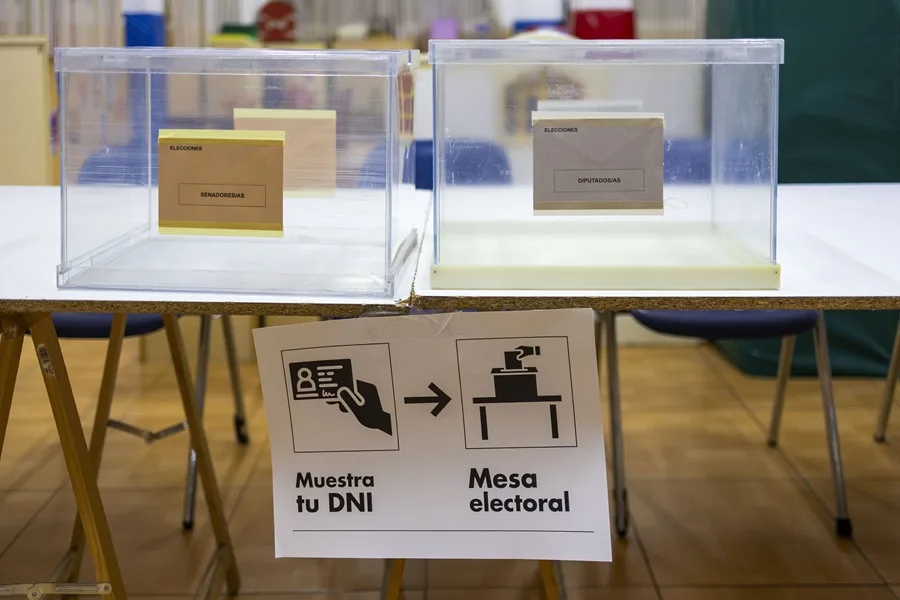
Voters must present an official form of identification. Officials confirmed that citizens may cast ballots with an expired national identity card (DNI), provided the document is original.
Passports, driver’s licenses, and travel documents are also accepted if they feature a photograph of the holder. Article 85 of the Organic Law of the General Electoral Regime (LOREG) establishes the regulatory framework.
Citizens can identify themselves using the digital MiDNI application on mobile phones for the first time in a Spanish general election.
Candidacies and Parliament Composition
A total of 38,616,949 electors are registered to vote. This includes 2,663,407 residents abroad and 1,615,034 young people casting a ballot in a general election for the first time.
The total figure of eligible citizens reaches about 38.6 million people when combining resident voters and those registered abroad. The electorate will choose the members of the Congress of Deputies and the Senate, shaping the future makeup of the Cortes Generales.
Pedro Sánchez serves as head of the Government and candidate for re-election by the Spanish Socialist Workers’ Party (PSOE) after casting his ballot early at the Nuestra Señora del Buen Consejo school in Madrid.
Alberto Núñez Feijóo for the Partido Popular (PP) voted at the Ramiro de Maeztu facility in Madrid accompanied by his wife Eva Cárdenas. Santiago Abascal represents Vox.
Ada Colau leads Frente Amplio following an agreement formalized on October 12, Hispanity Day, between Movimiento Sumar, Izquierda Unida, Más Madrid, and Catalunya en Comú.
The coalition talks failed to incorporate Podemos, led by Irene Montero and Gabriel Rufián, which is running separately across large portions of Spanish territory.
Managing Electoral Procedures and Provisional Figures
EL PAÍS indicated that official participation data and provisional counts are accessible through the web portal resultados.29neleccionesgenerales.es and the specialized mobile application.
Electoral Scrutiny and Provisional Results
The Ministry of the Interior will release provisional results starting after the closure of polling stations based on votes counted directly at the tables.
The president opens envelopes one by one, reads the candidate names aloud, and displays each ballot to board members, party representatives, and agents. Officials said provisional figures do not conclude the process.
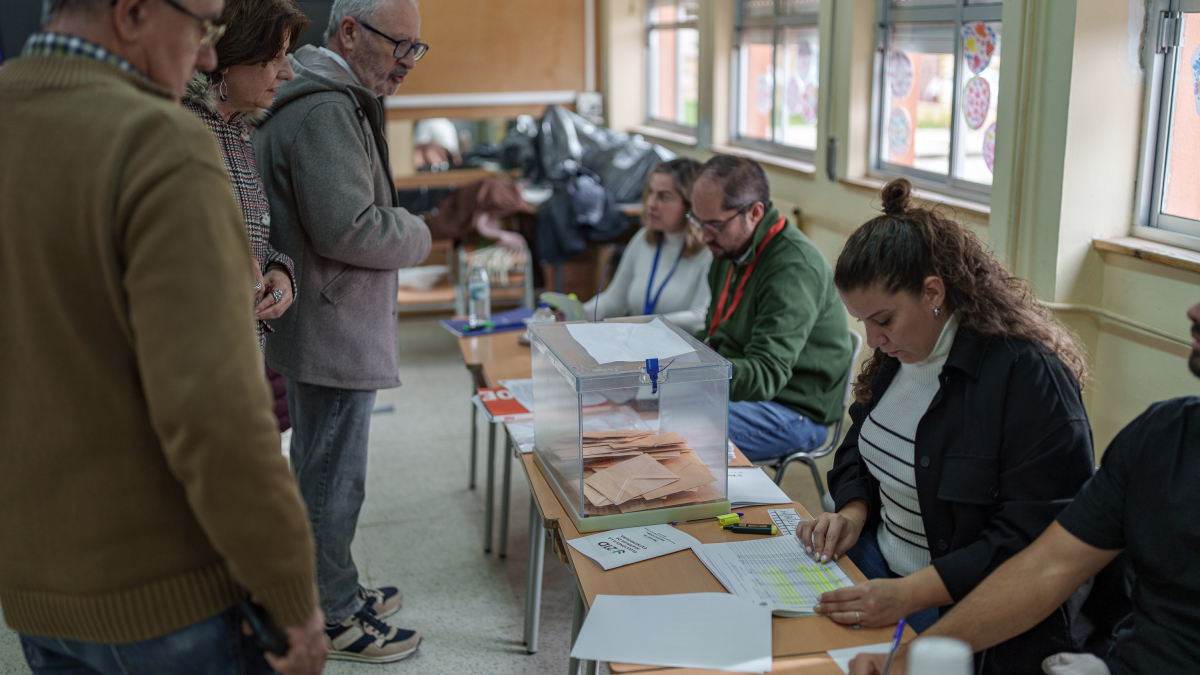
The final count requires the incorporation of overseas ballots from the Census of Absent Residents (CERA) and the review of formal claims by Provincial Electoral Boards between December 4 and December 7.
Prime Minister Pedro Sánchez dissolved parliament for this election after a legislative decree was defeated by the Partido Popular (PP), Vox, and Junts.
Earlier in his tenure as head of the Government and Spanish Socialist Workers’ Party (PSOE) leader, Sánchez navigated major milestones including passing a 2018 no-confidence motion against Prime Minister Mariano Rajoy, winning pluralities in the April and November 2019 general elections to form a historic minority coalition, and securing a third term as Prime Minister on 17 November 2023 following a previous snap general election called after regional losses.
Government Spokesperson and Minister of Inclusion, Social Security and Migrations Elma Saiz and Interior Minister Fernando Grande-Marlaska are scheduled to appear around 22:30 CET to issue official updates on participation figures collected at 14:00 and 18:30 and provide the initial provisional results Cortes.