Britain and the European Union agreed to a post-Brexit reset package on November 20, 2026, aimed at easing cross-border trade and expanding travel options for young people.
- Prime Minister Andy Burnham and EU leaders announced trade and youth mobility deals at a Brussels summit on November 20, 2026.
- The Sanitary and Phytosanitary Agreement will scrap routine border checks and certifications for food and agricultural exports starting March 1, 2028.
- The UK Cabinet Office introduced the European Partnership Bill into the House of Commons on November 26, 2026, to implement the agreements.
Leaders Meet in Brussels for New Bilateral Accords
Youth mobility and trade accords were revealed at Friday’s Brussels summit by UK Prime Minister Andy Burnham alongside leading figures from the European Union.
The package is the first major bilateral step to rebuild ties a decade after the 2016 referendum.
During the delegations’ meeting, Burnham characterized the arrangement in positive terms.
This is a good day for Britain. This is a good day for Europe.
Andy Burnham, UK Prime Minister
European Commission President Ursula von der Leyen called the arrangement “a turning point” in relations between Brussels and London.
EXCLUSIVE * Senior allies of Andy Burnham say he is determined to take Britain back into the EU on latest episode of The State or It with @patrickkmaguire and @lara_spirit * “He wants to rejoin, that’s the truth of it. He feels it very deeply and thinks he is on the right side…
“Brexit took opportunities from young people” Prime Minister Andy Burnham said
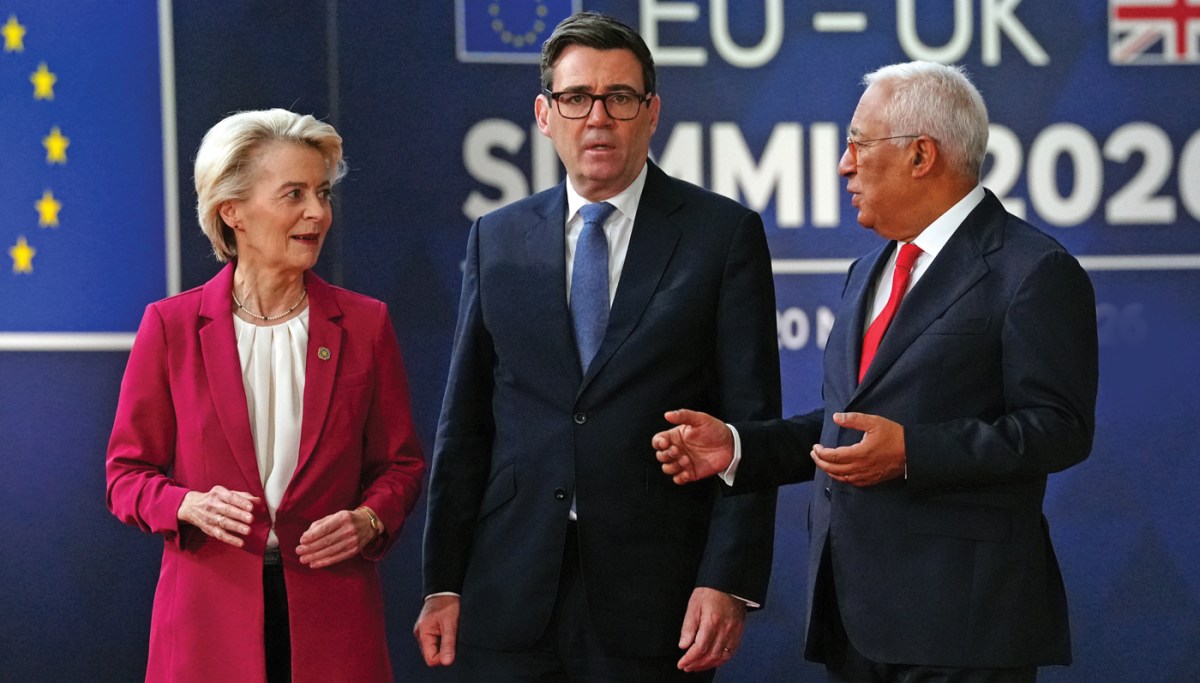
European Council President Antonio Costa said that the bloc respected the initial British decision to leave the EU and equally respected its choice to strengthen ties in the post-Brexit era.
European Council President Antonio Costa said that they remained open to having the closest possible relationship.
Prime Minister Andy Burnham described the accord as a landmark agreement and said that the summit represented a step toward undoing a decade of damage caused by the divorce.
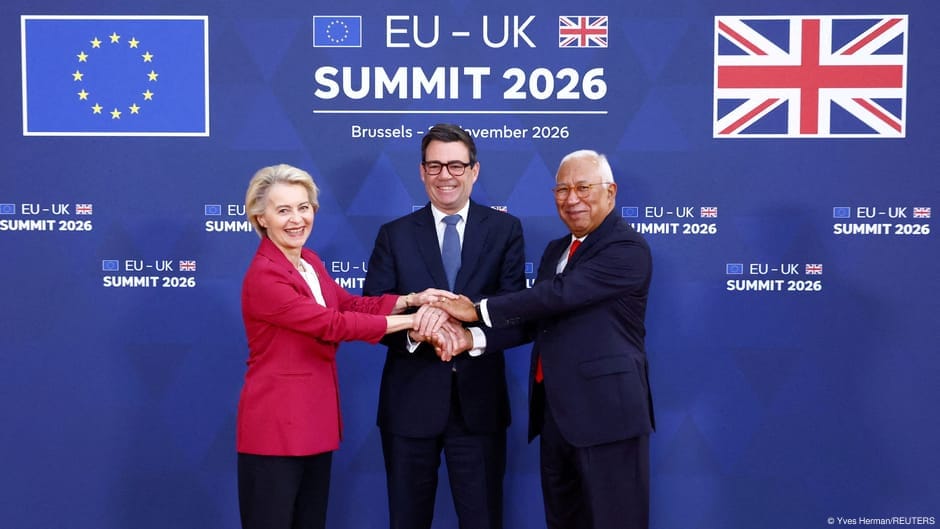
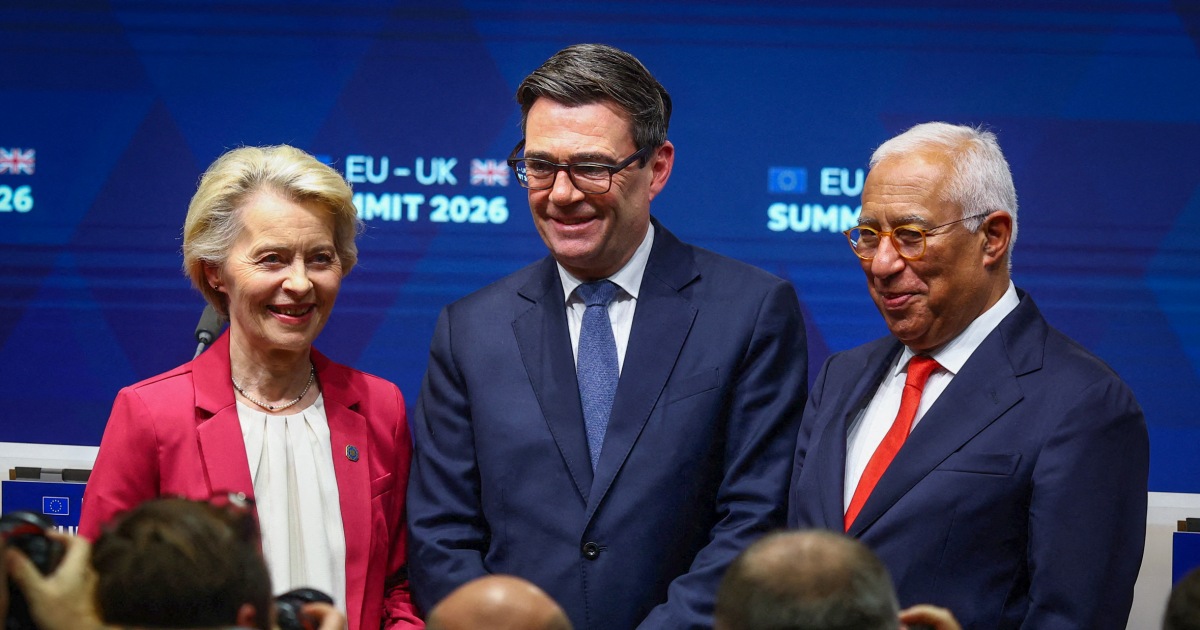
Ursula von der Leyen said that the youth experience project would open horizons and create friendships that will last a lifetime, while adding that the trade agreement is a two-way street that means more choice for customers. She also mentioned the agreement on the carbon market, saying that it would cut emissions and generate investments in cleaner industries.
Removing Food Product Certifications Eases Post-Brexit Trade
The Sanitary and Phytosanitary Agreement removes routine border checks and animal and food product certifications to ease post-Brexit trade.
The UK government estimates the food and drink trade deal could add £5.1 billion to the UK economy by cutting red tape on exports.
Export health certificates costing up to £200 each, British cheese shipments facing up to £1,200 per load, and British salmon deliveries subject to up to £1,400 per shipment are among the levies that enterprises will no longer incur.
The requirement for “Not for EU” retail labels on the vast majority of products will also be removed.
The agreement is scheduled to take effect on March 1, 2028.
Legal texts published in November 2026 revealed that the food and drink deal carries an exit penalty requiring whichever side walks away within the first 10 years to cover the “reasonable and proportionate costs” of restoring removed border infrastructure.

According to British Chambers of Commerce director general Shevaun Haviland, smaller exporters will benefit from the elimination of numerous expensive checks on plant and food goods.
AIC chief executive Robert Sheasby said that the pact addressed specific operational hurdles brought up by members over two years of consultations with officials.
Tom Brufatto, Policy and Research Director at Best for Britain, said that the bill tabled would set the country on a path toward reaping the economic benefits of closer ties with the European Union, including cheaper food, fewer barriers for business, and lower energy bills.
Carbon Market Linkage and Participation Fees
Alongside the food standards accord, the two sides agreed to link the UK and EU emissions trading systems, which removes cross-border carbon taxes and is expected to take effect on January 1, 2027.
Legal documents show the UK will pay a participation fee and an operational contribution toward the running costs of EU agencies and systems required to deliver the agreements.
The primary funding mechanism will consist of an operational contribution scaled directly to the relative size of the British economy against that of the EU block.
In addition, the UK will pay a participation fee set at 4% of its main contribution figure.
Government officials stated they expected overall additional administrative costs to run in the low tens of millions per year.
By connecting the trading mechanisms, allowance liquidity is enhanced and potential carbon border levies under the EU framework are avoided, shielding nearly £6.5 billion of British exports and associated R&D testing facilities from financial penalties, as estimated by the Cabinet Office.
Charles Grant, director of the Centre for European Reform think tank, told AFP that the termination clause provision served as an insurance policy for the European Union given Britain’s continuing debate over its relationship with the bloc.
Political Leaders React to the Latest Deals
Foreign Secretary Ed Miliband stated on Sunday that the latest deals agreed by Andy Burnham were not about cost to the taxpayer.
Legal text for a third agreement on youth visas for 18 to 31 year olds was expected to be published shortly after the summit.
Conservative leader Kemi Badenoch claimed the prime minister was trying to take Britain back to 2015.
Meanwhile, Reform UK leader Nigel Farage argued that the agreement amounted to a betrayal of Brexit.
Legislative Implementation in Westminster
Statutory frameworks for executing the summit accords were put into motion when the UK Cabinet Office introduced the European Partnership Bill to the House of Commons on November 26, 2026.
Hamish Falconer, minister for European relations, defended the legislation in Parliament.
Hamish Falconer, minister for European relations, said the government’s Cutting Costs Bill would allow the implementation of two major trade agreements: the food and drink trade deal and the emissions trading scheme linking agreement.
Members of Parliament are scheduled to debate the legislation on December 7, 2026.
The bill follows a Second Reading debate scheduled for early January 2027, while the parliamentary Delegated Powers and Regulatory Reform Committee conducts scrutiny of the 53-page Delegated Powers Memorandum.
Conservative leader Kemi Badenoch criticized the prime minister, stating that Andy Burnham was showing disdain for the democratic process by asking for a blank cheque to install and enact European Union law.
Badenoch also argued that Burnham was making Britain a rule-taker and had oversold the deal when presenting it to parliament.
Reform UK leader Nigel Farage argued that the agreements would take Britain back into much of the single market and asserted that European economies are not growing as fast as the British economy.