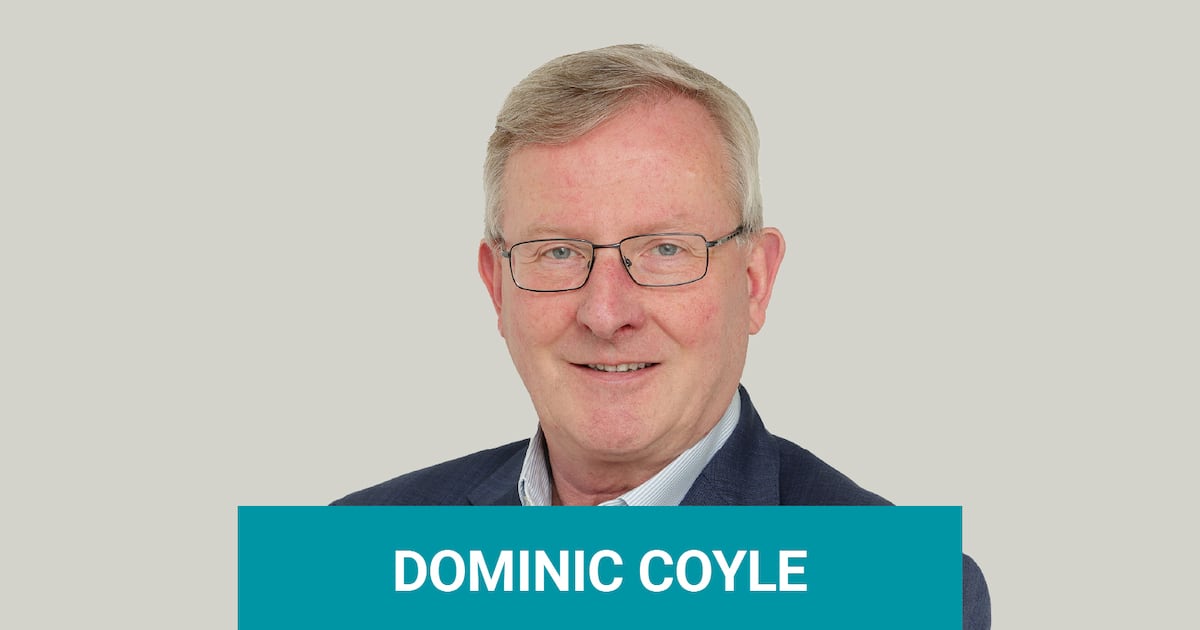
For hundreds of thousands of expatriates and cross-border workers, the mathematics of buying voluntary UK National Insurance contributions to secure a state pension can look almost too good to be true. As detailed by Dominic Coyle in The Irish Times, a worker facing a 15-year shortfall to reach the 35-year maximum required for a full UK pension can pay Class 3 voluntary contributions totaling roughly £15,000, only to recoup that exact capital outlay in just two years and eight months of drawing the benefit.
The Bottom Line:
- Buying Class 3 voluntary contributions costs £18.40 per week, or £956.80 annually for the 2026/27 tax year, adding £358.28 in annual pension value per year purchased.
- Basic payback is achieved in 2.67 years, though Irish income tax at 20 percent or 40 percent extends the break-even window to between 3.35 and 4.45 years.
- Expatriates must manage shifting UK triple-lock rules and currency volatility.
Crunching the Expatriate Pension Math
The mechanics of the UK state pension system present a distinct arbitrage opportunity for anyone who spent part of their career working across the Irish Sea. The current full UK state pension sits at £241.30 per week (€288.50). Each year of contributions purchased adds one thirty-fifth of that total—amounting to £6.89 per week, or £358.28 annually—at today’s prices.
To establish the baseline payback period, analysts divide the annual Class 3 cost of £956.80 by the incremental annual pension boost of £358.28. The resulting quotient is 2.67, representing a shade over two years and eight months of retirement payouts to make back the initial cash layout. Because the mathematics scale linearly, multiplying both the contribution requirements and the resulting benefit by 15 years leaves the two-year and eight-month recovery window entirely unchanged.

Tax Drag Extends the Break-Even Timeline
Pure mathematics rarely survives contact with fiscal policy. While Class 3 contributions are paid from already-taxed income acting as a minor form of tax in Ireland, the pension drawdown received in retirement remains fully exposed to domestic income tax and the Universal Social Charge (USC).
When factoring in a 20 percent income tax rate, the net annual return per purchased year drops from £358.28 down to £286.62. This tax drag extends the break-even timeline to 3.35 years—roughly three years and four months. For higher-rate earners taxed at 40 percent, the annual net benefit falls to £214.97, pushing the profit inflection point out to 4.45 years, or close to four and a half years post-drawdown.
Additional variables compound the complexity. Currency risk remains a permanent fixture of cross-border financial planning, exposing contributors to fluctuations in the euro-sterling exchange rate between the date of payment and the date of collection. Whitehall continues to alter pension adjustments. The current triple lock guarantees increases matching inflation, average earnings growth, or 2.5 percent, whichever is highest.
Disclaimer: The Information Provided in This Article Is for Educational and Market Analysis Pu
Expatriates seeking definitive clarity on their liability can utilize the user-friendly online system provided by the UK government, though doing so requires a verifiable UK digital identification. Alternatively, applicants can submit inquiries through the dedicated email form managed by the International Pension Centre, contact administrators directly by phone at +44 (0)191 2187777, or dispatch physical correspondence to The Pension Service 11, Mail Handling Site A, Wolverhampton, WV98 1LW, England.
Disclaimer: The information provided in this article is for educational and market analysis purposes only and does not constitute financial, investment, or legal advice. Always consult with a certified financial professional before making investment decisions.