Student-Led Opposition Sweeps Serbian Parliament as Vučić Concedes Defeat
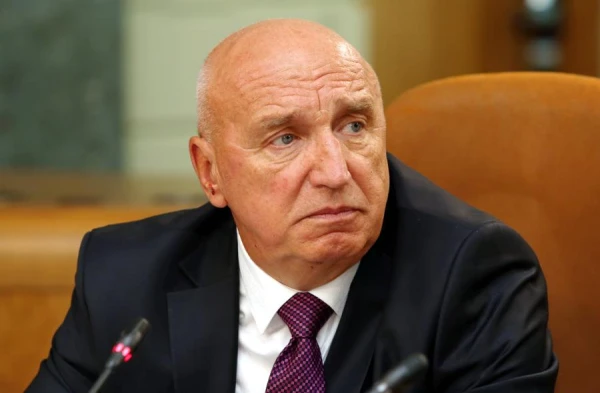
In a profound political shift across the Balkans, Serbia’s conservative leader Aleksandar Vučić conceded defeat after more than a decade in power, following a decisive electoral sweep by a student-led opposition movement during the parliamentary elections held on Sunday, October 25, cfr.org reported.
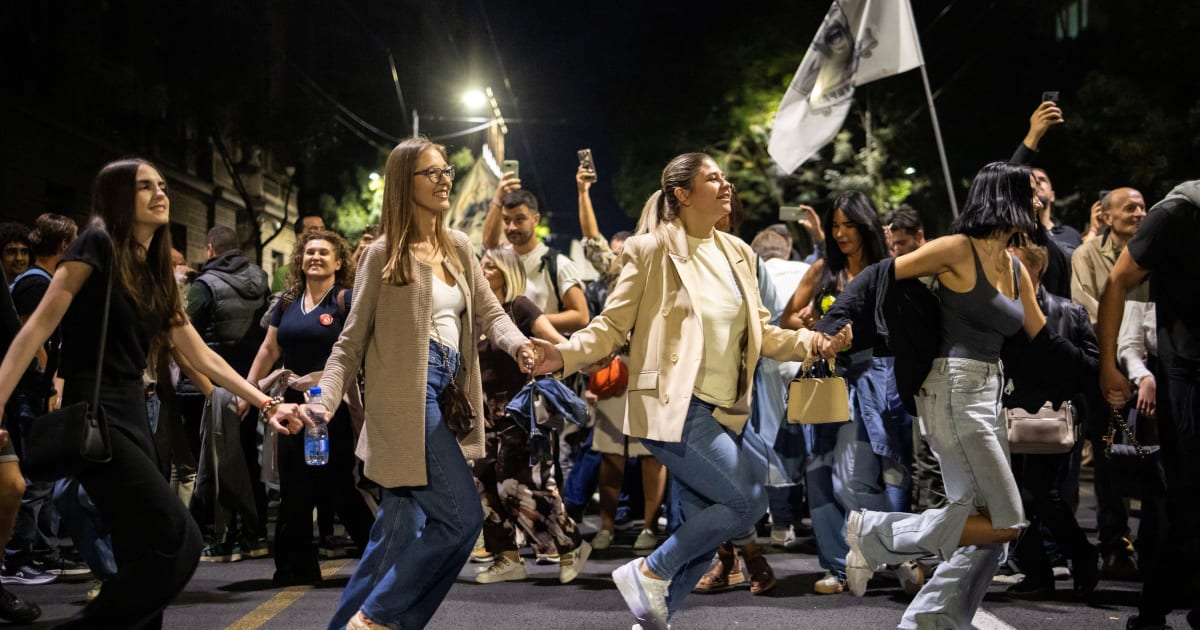
Vučić’s Serbian Progressive Party earned less than 40 percent of the vote. Meanwhile, the opposition Student List secured 53 percent of the ballots, capturing 141 seats in the 250-seat parliament.
Railway Station Disaster Fuels Anti-Government Movement
The political earthquake traces back to a tragedy less than two years ago, when a railway station disaster killed sixteen people. Public outrage over the collapse quickly snowfolded into a broad anti-government movement as evidence mounted pointing to government fraud and corruption as the root causes.
The momentum mirrors recent political upheavals elsewhere in the region. Just up the Danube in Hungary, Viktor Orbán faced a similar exit in April after high youth turnout proved decisive in removing him from power. Hungary’s Péter Magyar and his Tisza Party built their campaign squarely on anti-corruption platforms, riding that same wave of youth engagement to dismantle Orbán’s sixteen-year reign.
Serbian Military Exports to Israel Face Disruption
Beyond domestic policy, the sudden transition in Belgrade carries immediate international consequences, particularly concerning defense and diplomatic partnerships. According to analysis published by The Times of Israel, Vučić’s historic defeat strips Israel of a uniquely reliable weapons supplier in Europe. Serbian military exports to Israel reached €114 million in 2025, with Belgrade maintaining multiple active contracts to supply ammunition and critical components to Israeli forces throughout the Gaza campaign.
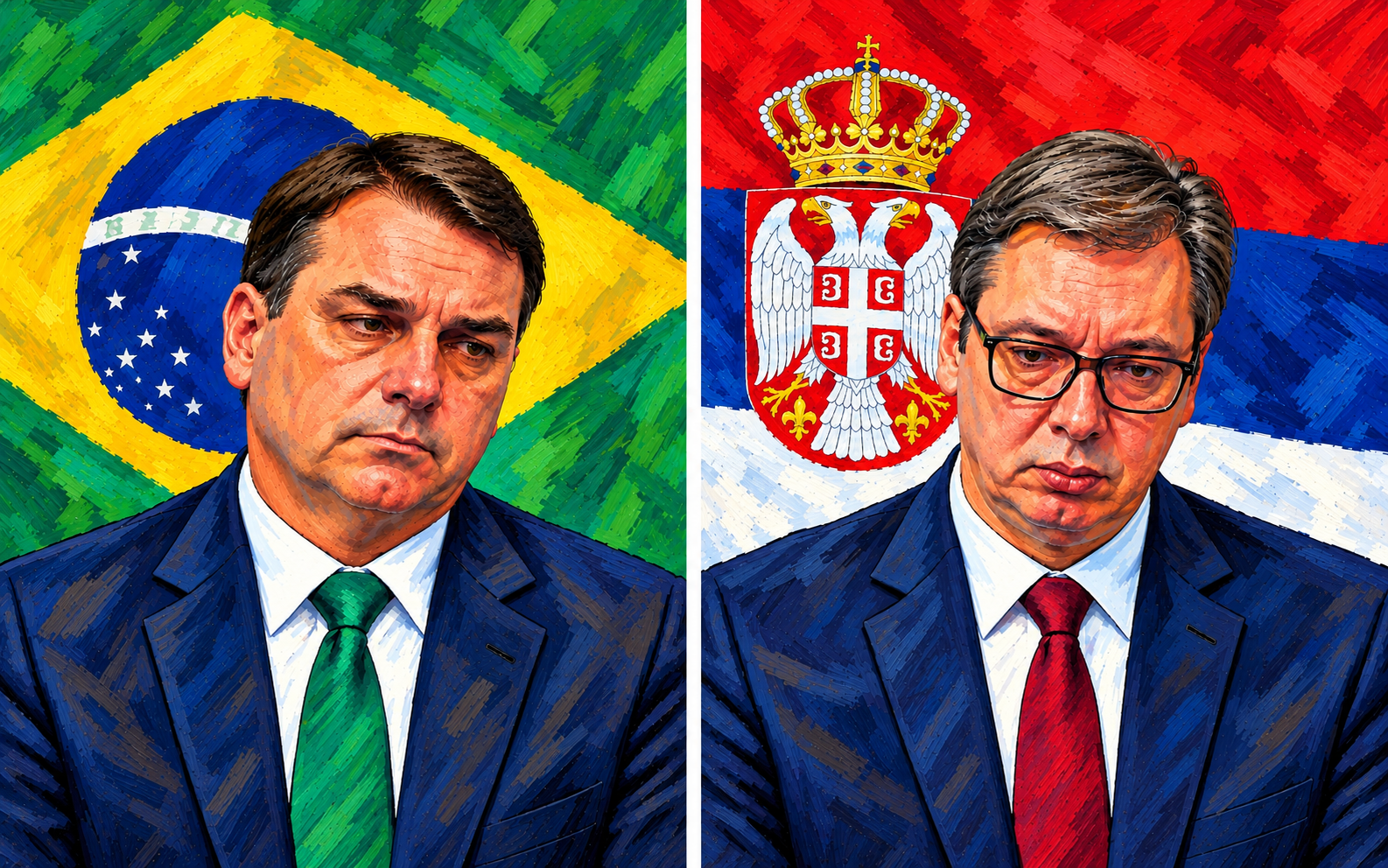
While the outgoing administration consistently stepped up to provide vital matériel when traditional European allies delayed or restricted shipments, the incoming leadership’s posture signals an abrupt freeze in Balkan ammunition flows. Paired with Luiz Inácio Lula da Silva’s return to the presidency in Brazil following a razor-thin victory over Flávio Bolsonaro, the concurrent October 2026 election results have firmly locked in a more restrictive strategic landscape for Jerusalem across multiple continents, as noted by The Times of Israel.
As Belgrade prepares for a new parliamentary majority under the Student List, the exact composition of the incoming cabinet and its long-term foreign policy directives remain unfinalized.