Medical researchers are investigating how combining local interventions with immune checkpoint inhibitors can alter the tumor microenvironment to improve outcomes for hepatocellular carcinoma patients.
Therapeutic Sequencing and Immune Kinetics in Local Interventions
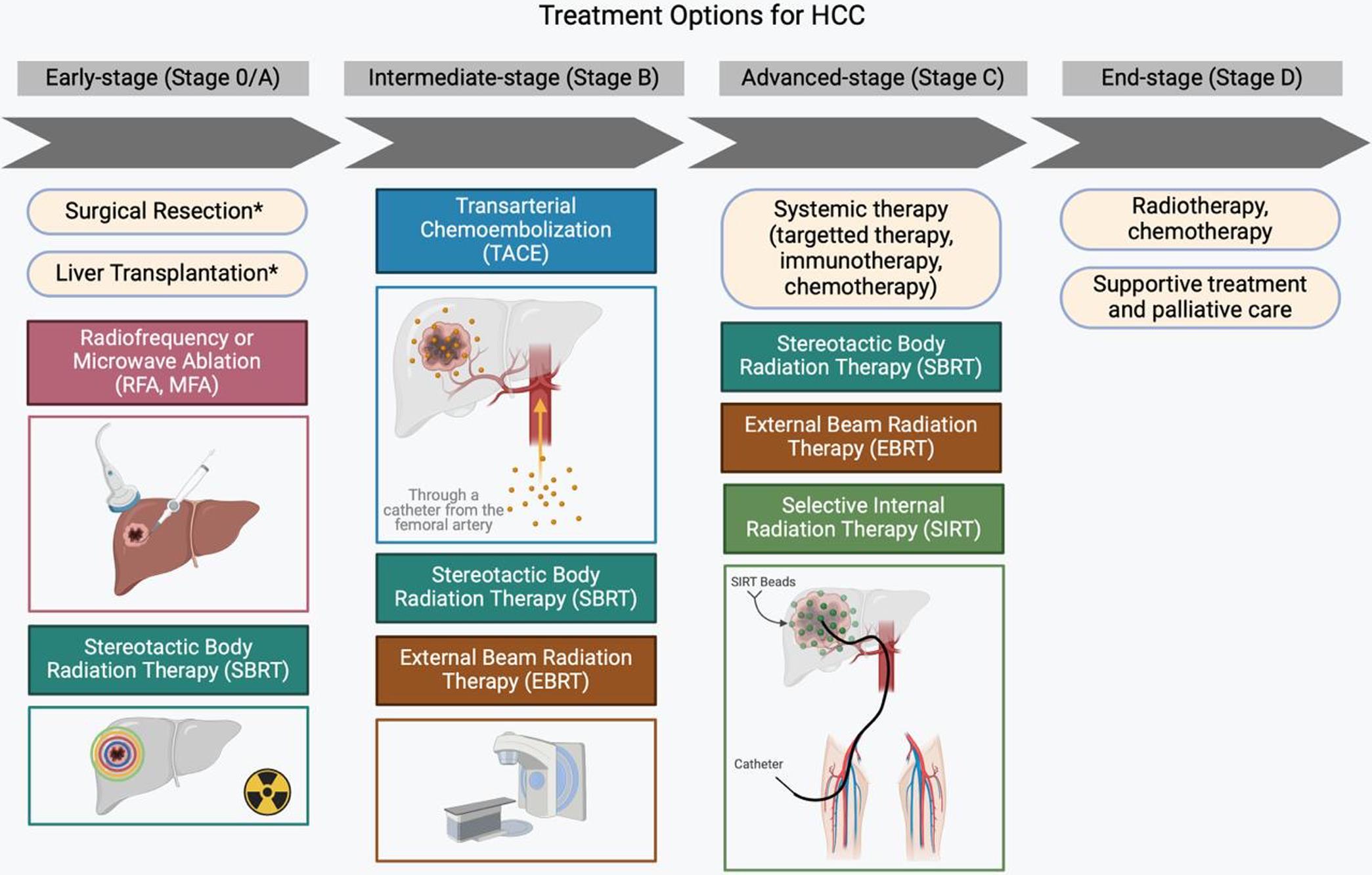
Local interventions like thermal ablation, transarterial chemoembolization, yttrium-90 radioembolization, irreversible electroporation, and stereotactic body radiotherapy (stereotactic body radiotherapy) release tumor antigens. These procedures also change vascular and stromal barriers. These physical methods recruit innate and adaptive immune cells.
Phase 3 clinical trials show that specific treatment combinations extend progression-free survival. But current clinical data do not isolate timing effects. A narrative review in J Vis Exp (2026 Nov 3:(237)) says the integration of locoregional therapy is unresolved.
Yu-Han Guo and Jian Yu from the Department of Radiotherapy at The First Hospital of Jilin University and Yan Jiao from the Department of Hepatobiliary and Pancreatic Surgery at the same institution wrote the report. No biomarker-triggered schedule has shown clinical utility, they said.
Future efforts need serial tissue and blood sampling. Researchers also need pharmacokinetic assessment and schedule-specific randomization to find an immunogenic window for routine care.
Cellular Sources of Interleukin-10 and Immune Evasion Networks
interleukin-10 (IL-10) acts as a cytokine with anti-inflammatory and immunosuppressive properties in the hepatocellular carcinoma tumor microenvironment. It was first known for maintaining tissue homeostasis.
IL-10 now drives immune evasion and tumor progression during malignant transformation. Tumor cells often increase IL-10 through autocrine survival and paracrine immunosuppressive mechanisms.
In cases of HBV-induced hepatocellular carcinoma, tumor cells fall into two groups. These are high IL-10-secreting (Hi10) and low IL-10-secreting (Lo10) groups.
Systemic Treatment Limitations
Immune checkpoint inhibitor (ICI) monotherapy achieves an overall objective response rate (ORR) of about 20%. A dose-expansion cohort given 3 mg/kg nivolumab showed a 20% ORR (95% CI: 15%–26%).
Jilin University authorship and correspondence identified
PubMed records show that the Department of Hepatobiliary and Pancreatic Surgery at the General Surgery Center of The First Hospital of Jilin University is affiliated with the work. The records list jiaoyan@jlu.edu.cn as a contact address.
Targeted Radiofrequency Thermal Ablation and NK-Cell Responses
Local tumor destruction methods change immune recognition pathways. Radiofrequency thermal ablation uses heat damage to destroy tumor tissue. This process promotes the release of tumor-related antigens. Research indicates that thermal ablation activates natural killer cell responses. Local tissue damage participates directly in regulating anti-tumor immunity.
Readers should consult with qualified medical professionals regarding treatment options. Clinical management requires specialized oversight. This information is for professional reference and does not constitute medical advice.