New Scandinavian research following 3,643,376 children born between 2000 and 2021 indicates that taking ADHD medication during pregnancy does not increase the risk of developmental disorders in children.
Nordic Study Follows Millions of Births
Researchers across Denmark, Norway, and Sweden examined medical data for millions of children, following them for an average of a decade according to findings published in The BMJ. Out of the millions analyzed, 7,595 children were exposed to ADHD medication during pregnancy, with 2,389 of those exposures occurring in the second or third trimester.
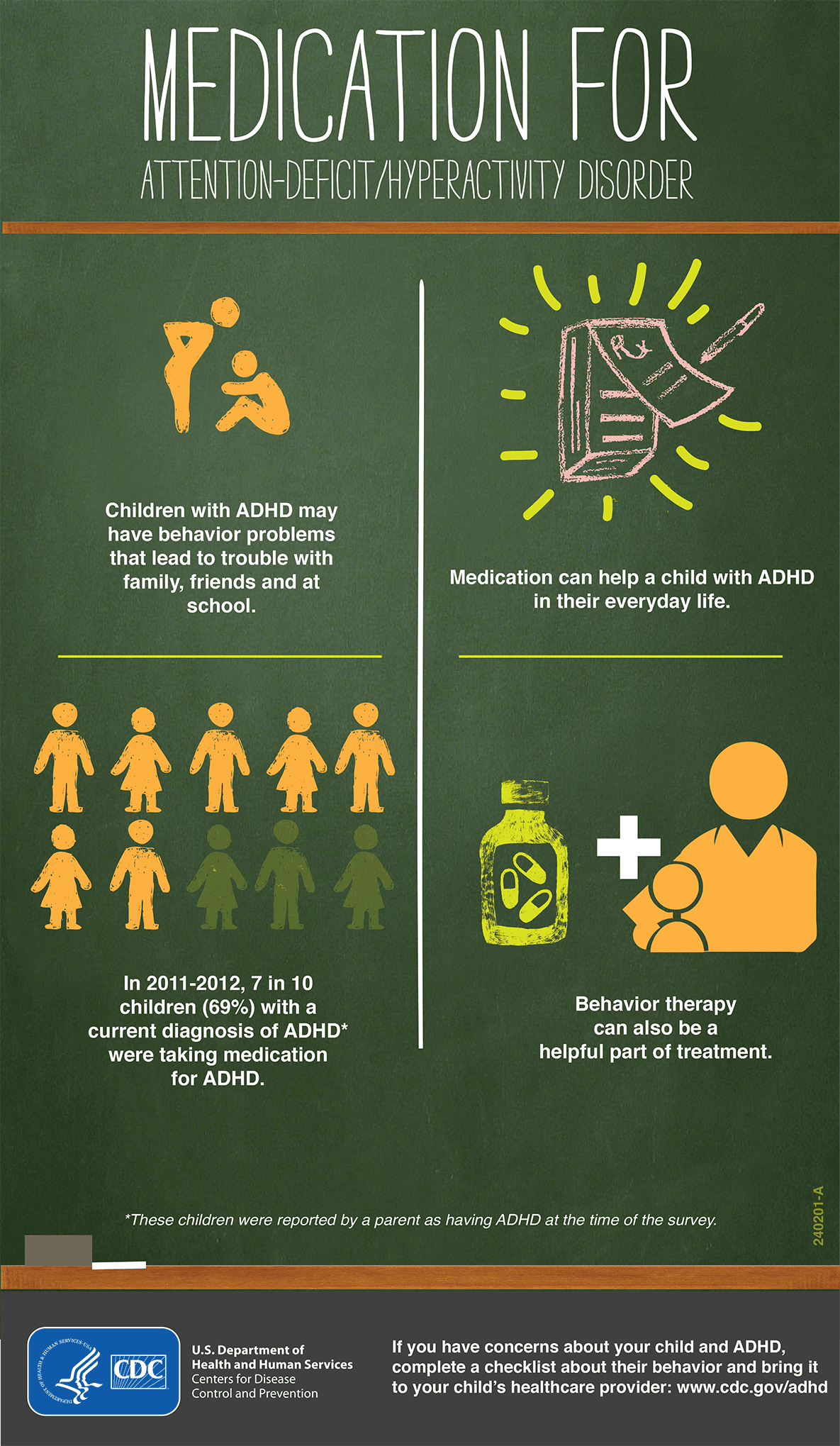
Methylphenidate was the most widely used medication at 69 percent, followed by amphetamines at 20 percent and atomoxetine at 7 percent, while remaining participants used combinations of medications. The study tracked various neurodevelopmental conditions, including autism, intellectual disabilities, learning disorders, speech and language disorders, tic disorders, epilepsy, and hearing and vision impairments.
Adjusting for Maternal Health and Genetics
Children exposed to the medications initially appeared more likely to receive a neurodevelopmental diagnosis, but that connection disappeared after researchers adjusted for other variables. The association was largely explained by surrounding factors such as the mother’s own ADHD diagnosis and health, educational level, smoking during pregnancy, and other medication use. Maternal ADHD itself carries an estimated heritability of 64 to 75 percent.
The data showed no clearly elevated risk of developmental disorders in general once these statistical corrections were made. Similar consistency appeared when investigators looked at individual medications and when they compared children whose mothers maintained treatment throughout pregnancy with those who stopped before conceiving.

Clinical Decisions and Pregnancy Guidance
The research originated from conversations between Dr Bruno and women from ADHD Norway, the national advocacy organization, who faced difficult choices over managing their conditions while expecting children.
Individual circumstances require personal evaluation, though the large sample size and extensive follow-up offer reassurance. The study followed 3,643,376 children born between 2000 and 2021.
New #BMJResearch finds children born to mothers who used ADHD medication during pregnancy face no increased risk of neurodevelopmental conditions such as autism, ADHD, intellectual disability and learning disordershttps://t.co/rIjLL3HYP5 Linked Editorialhttps://t.co/h8M7TYDBk2 pic.twitter.com/1sz69UoESX