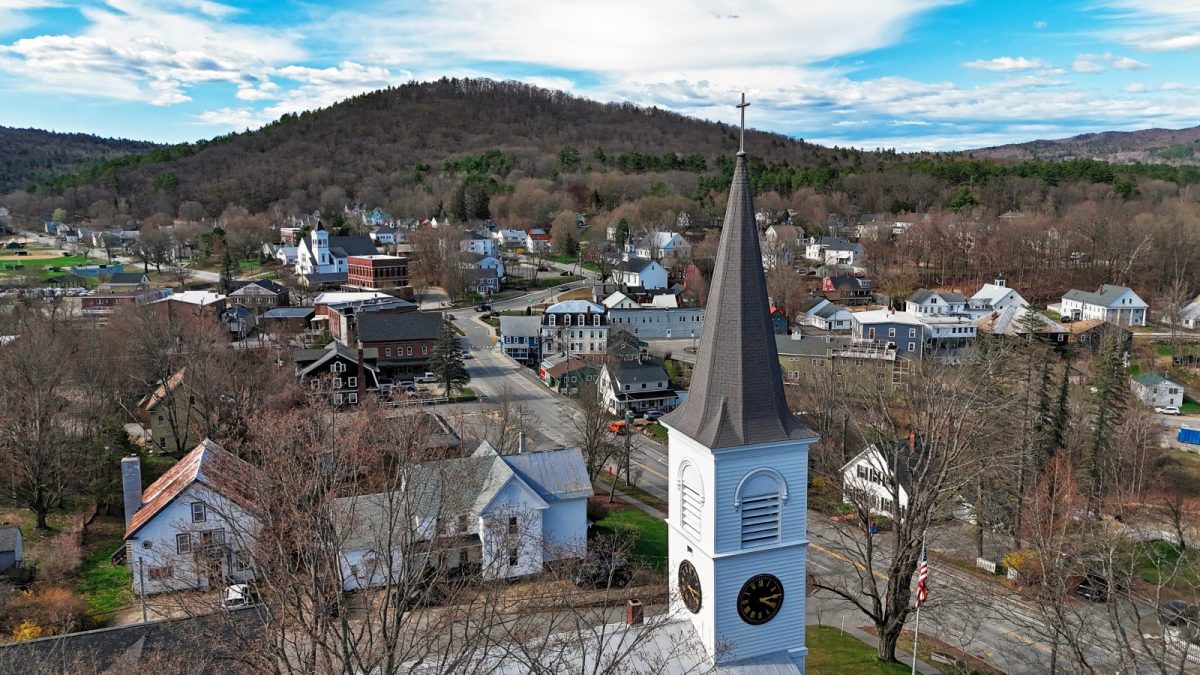
Stepping Back in Time in Bristol’s Central Square Historic District
Travelers passing through central New Hampshire often find themselves blinking against the present day when they hit Bristol’s Central Square, where tall brick buildings with intricate brackets, decorative cornices, and dramatic mansard roofs frame the landscape just as they did generations ago. Right behind the town, the Newfound River moves past a streetscape that time largely bypassed. This little town of just over 3,000 residents stands out as one of the state’s best-preserved historic destinations for anyone drawn to ornate nineteenth-century architecture and leisurely downtown strolls.
That architectural preservation isn’t an accident of geography. It is the result of a deliberate municipal framework that caught up with the town’s physical heritage long after the nineteenth-century mills and railroad expansion laid its foundations. The Central Square Historic District earned official recognition on March 24, 1983, when it was added to the National Register of Historic Places, a designation that cataloged twelve historic structures including two former taverns, one house, and nine 19th-century commercial buildings.
The Nineteenth-Century Architecture Shaping Downtown Bristol
A walking tour of the district reveals layers of building history shaped by fire, commerce, and architectural revival. Along the western side of Central Square, White's Block shows mid-nineteenth-century resilience after an 1861 fire leveled the original structure, prompting a rebuild featuring immaculately carved second-floor window details. Just down the line, the Rollins Block dates to 1872 with decorative brackets supporting its elaborate cornices, while the Abel Block pairs pre-Civil War lower stories with an 1878 third-story addition and a signature mansard roof.
Just off the main square on Summer Street, the Henry Whipple House at number 75 commands sidewalk attention with its 1904 Queen Anne styling, stained glass accents, and prominent widow’s walk. While the property once operated as a bed-and-breakfast, it has since closed its doors to overnight guests, leaving visitors to admire its early-twentieth-century flair from the public right-of-way. Exploring these sights requires little more than comfortable shoes and a downloaded copy of the town’s self-guided walking map, which helps visitors catch small exterior details that might otherwise blur together.

Preserving the Streetscape Through Local Ordinances
Bristol’s nineteenth-century prosperity grew from waterpower along the Newfound River, which fueled local mills and trade long before the railroad arrived in 1848 to connect the community to wider markets. Yet economic shifts often bring demolition or unsympathetic remodeling to small New England towns. Bristol countered that trend in 2006 by adopting a historic district ordinance that established review for any exterior changes within the district.
That local oversight ensures the historic storefronts remain intact, creating an exceptionally picturesque backdrop when autumn foliage frames the Victorian rooftops. Visitors looking to pair their architectural sightseeing with local fare can stop by The Purple Pit at 28 Central Square for breakfast sandwiches, deli items, and coffee, though planners should note the kitchen closes at 2 p.m. and the establishment is closed on Wednesdays. For those timing a visit around seasonal events, summer concerts at Kelley Park and Old Home Day draw broader crowds to the downtown grid.

Planning an Afternoon or Weekend in the Lakes Region
While an afternoon is enough to browse downtown storefronts and complete the walking loop, a full weekend allows travelers to expand their itinerary toward Newfound Lake or explore the wider Lakes Region. Public parking is available in a lot on Central Street near River Falls Park, placing visitors within easy walking distance of the square. Overnight accommodations with historical roots of their own include the Pleasant View Bed & Breakfast, housed in an early-1800s farmhouse located just a short drive outside the immediate downtown core.
As late afternoon sunlight hits the brick facade of the Rollins Block, the optical illusion of stepping backward into the Victorian era feels entirely complete. Whether visitors come for the architectural cataloging of the Central Square Historic District or a quiet autumn walk along the Newfound River, Bristol remains an example of a nineteenth-century mill town that successfully protected its own past.
Frequently Asked Questions About Visiting Bristol
What makes Bristol’s Central Square unique among New Hampshire towns?
Bristol’s Central Square is recognized on the National Register of Historic Places for its concentration of twelve historic buildings, most built in the nineteenth century, featuring ornate Victorian architecture, including mansard roofs, decorative brackets, and turrets.
Can visitors tour the historic homes inside the district?
Interior access to private historic homes and buildings is separate and should be arranged or confirmed with the property. Visitors can admire the exteriors of homes along Pleasant Street and Summer Street by following the town’s free self-guided walking map from public sidewalks.
Where can visitors park when exploring downtown Bristol?
Public parking is located in a lot situated on Central Street near River Falls Park, offering direct access on foot to Central Square and the surrounding historic commercial district.