A Family’s 72-Hour Vigil Over a Disputed Organ Donor Registry
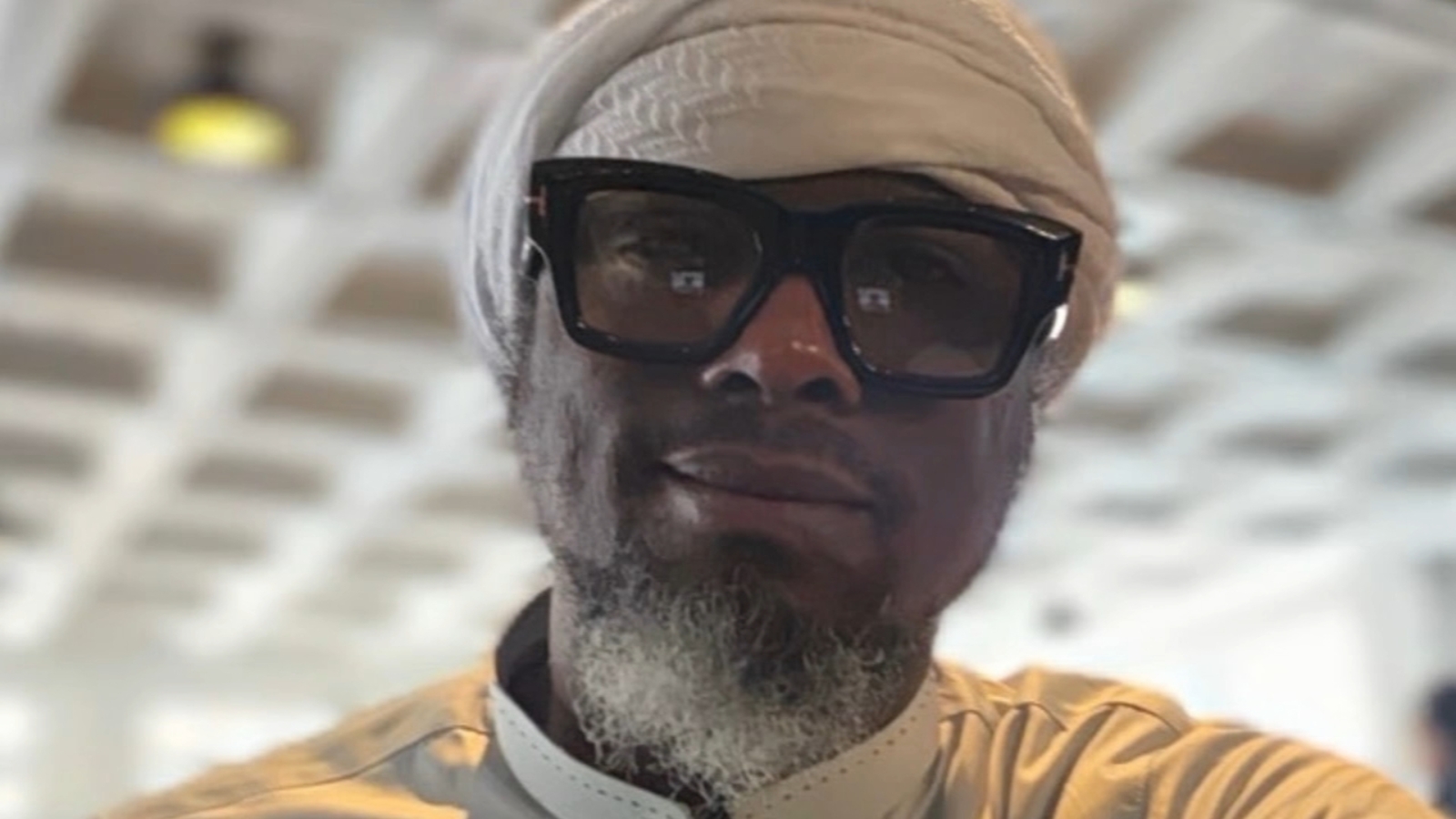
Keith Lott spent his final days surrounded by a grieving family at Cooper University Hospital, entirely unaware that his death would ignite a fierce legal and bureaucratic standoff. According to a report by 6abc.com, Lott’s relatives spent two grueling days fighting to prevent the harvesting of his organs in May, after he suffered a fatal brain aneurysm. The conflict laid bare deep vulnerabilities in how organ donor registrations are managed across state and national databases.
Lott, a resident of Swedesboro, New Jersey, had previously registered as an organ donor. However, after converting to Islam, he took steps to remove himself from the state’s donor registry in 2025, believing he had fully rescinded his consent. Yet, when representatives from the New Jersey Sharing Network approached the family shortly after doctors declared Lott brain dead on Tuesday, May 19, they insisted his organs would still be harvested.
"I apologized to the Sharing Network, to those families that are in need. But unfortunately, this was one body that they couldn't get," said Alexander Lott, the victim’s brother.
The Clash Over State and National Registries
What followed was a tense dispute during which the nonprofit organ procurement organization threatened legal action against the family. Representatives for the New Jersey Sharing Network maintained that while Lott had updated his status with the New Jersey Motor Vehicle Commission in 2025, he had failed to remove his name from a parallel national registry.
State officials quickly disputed that assertion. State Sen. Paul Moriarty stepped into the fray after being contacted by Lott’s niece, Blake Lott, and asserted that the organization simply did not possess the most current donor information. The New Jersey Motor Vehicle Commission confirmed to investigative reporters that donor information is updated in real time and remains readily available to authorized entities.
"It's just unconscionable. It's sloppy. It's not professional, and I don't think people know this," Moriarty said. Jersey Motor Vehicle Commission
Advocacy Groups Criticize Opaque Organ Procurement Practices
The friction at Cooper University Hospital is not an isolated incident. Greg Segal, founder of the advocacy nonprofit Organize, characterized the organ procurement system as a predatory and opaque industry. Segal noted that enrollment procedures often obscure the full scope of what donation entails, including the harvesting of skin, tissues, bones, and corneas.
Compounding the pressure on the New Jersey Sharing Network, another local family filed a lawsuit alleging the nonprofit misled them regarding tissue and bone recovery procedures. Meanwhile, the organization faces mounting legislative scrutiny. The House Ways and Means Committee has launched a congressional investigation into the network, probing allegations of fraud, undue pressure on grieving families, and other potential legal violations. The New Jersey Attorney General's Office has also opened an independent probe.
Throughout the ordeal, the Lott family credited hospital staff with being supportive while recognizing that hospital administrators were caught between the family’s wishes and the outside agency. Following Senator Moriarty’s intervention, the New Jersey Sharing Network ultimately withdrew its recovery efforts, allowing Keith Lott to receive a burial.
Senator Moriarty Introduces Bills Targeting Procurement Procedures
In response to the crisis, Senator Moriarty has introduced legislative measures designed to force organ procurement organizations to utilize up-to-date state and national registries. Additional proposed bills aim to grant citizens granular control over which specific body parts they authorize for donation.
The New Jersey Sharing Network did not respond to multiple requests for comment regarding the ongoing investigations or the Lott family’s claims. Meanwhile, the Gift of Life Donor Program—a separate OPO operating in Pennsylvania, New Jersey, and Delaware—clarified its own protocols through a public statement.
"In all three states, Gift of Life recognizes an individual's most recent transaction at the DMV as their current decision regarding donor designation," the organization stated, noting that its clinical staff support each family with compassion, sensitivity, and respect, working side by side with the hospital's ICU nurses and physicians.
For the Lott family, the policy debates offer little comfort, but they succeeded in ensuring their loved one was laid to rest according to his family’s wishes.