Honolulu’s Unwanted Residents: The Battle Against Exploding Feral Chicken Populations
The streets of Oahu have become a stage for an increasingly vocal and destructive presence that has nothing to do with human traffic. Honolulu city officials are now issuing a blunt plea to residents and visitors alike: stop feeding the island’s feral chickens. The birds have transitioned from a local curiosity into a full-blown municipal crisis, with the city now actively campaigning to curb a population that is tearing through residential gardens, creating unsanitary conditions, and keeping neighborhoods awake with relentless crowing at all hours.
The Department of Customer Services is calling for public cooperation to manage the feral chicken population as interference with trapping efforts hinders the city’s ability to address the issue. While crews have been deployed to trap the birds, their work is being actively sabotaged. According to HawaiiNewsNow, individuals have been caught tampering with or vandalizing traps, releasing captured birds, and continuing to feed feral flocks, effectively nullifying the city’s efforts to manage the flock. This interference, coupled with the continued feeding of the birds, has left officials searching for a way to regain control of public spaces.
The Human Cost of the Feral Flock
For those living in the most affected neighborhoods, the issue is far more than a minor annoyance. Residents have described a daily reality of property damage and hygiene hazards that have remained unresolved for years. During the 2022 legislative session, citizens testified in support of Senate Bill 2195, a measure that sought state funding to address the feral chicken population but ultimately failed to advance. In written testimony, Aiea resident Robert Peine detailed the frustration of dealing with clusters of 12-15 chickens blocking roadways, noting that the accumulation of chicken droppings is both unsightly and deeply unhygienic.
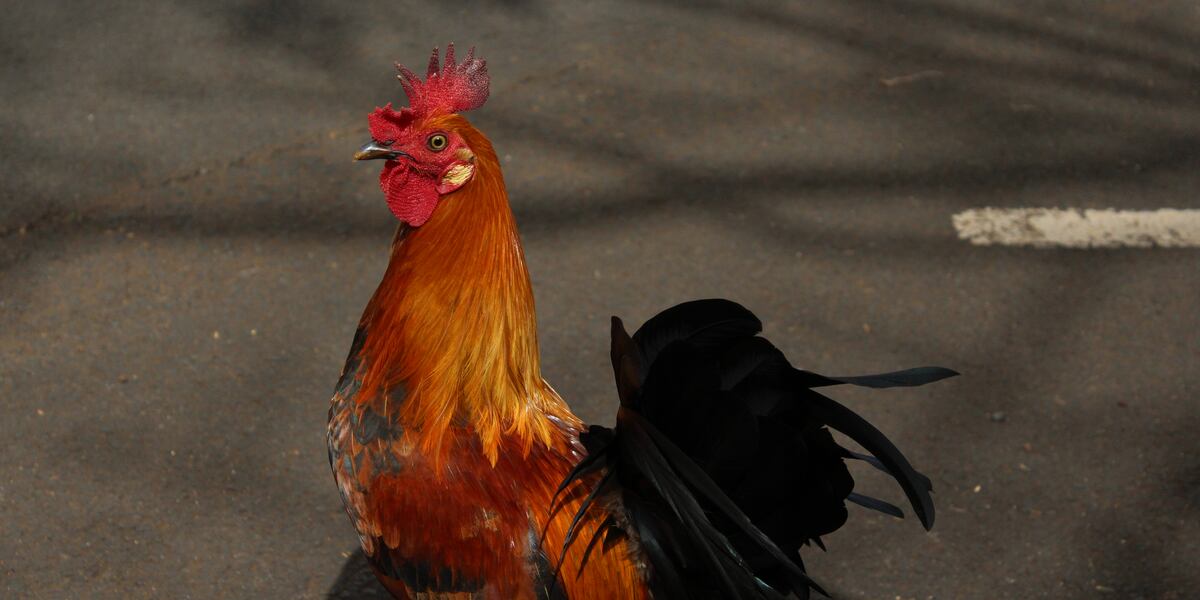
The sentiment is echoed by others who feel the government has been too slow to act. Maria White, of Aiea, has called for immediate intervention to either displace the wild chickens out to the countryside or to eradicate them entirely, citing the severe noise nuisance and the ongoing destruction of local landscaping. While some residents point to the illegal cockfighting industry as a source of the problem—arguing that weak penalties allow breeders to dump unwanted birds into neighborhoods—the city’s primary focus remains on the immediate behavioral changes needed from the public.
A City Strategy Under Siege
The city has launched a multi-pronged approach to mitigate the damage, including the installation of signage in public parks and on public transportation with the clear directive: “Do Not Feed Feral Chicken.” The Department of Customer Services has also deployed specialized traps and is offering discounted trapping and disposal services for private-property owners. Despite these resources, the persistence of the population suggests that the cycle of feeding and re-infestation is proving difficult to break.
“While crews are actively trapping feral chickens and putting up educational signage, this is an issue the city simply cannot tackle alone,” said Department of Customer Services Director Kim Hashiro. “We need every segment of our community – from residents to business owners – to help us by not feeding these birds and letting our pest-control teams do their jobs safely.”
The difficulty in identifying exactly who is responsible for the feeding—whether it is well-meaning tourists or local residents—adds a layer of complexity to the city’s outreach efforts. The city has deployed an animated public service announcement to educate the public on the hazards, but the success of these measures relies on community cooperation. Without a shift in public behavior, the city’s pest-control contractors remain trapped in a cycle of constant cleanup, unable to make lasting progress against a population that continues to thrive on the scraps provided by humans.
As the city continues to grapple with the fallout of the failed 2022 legislation, the question remains whether further regulatory action or stricter penalties for those who interfere with trapping efforts will be required. For now, the streets of Oahu remain crowded, the noise continues, and the city’s plea remains a test of community commitment to restoring order in neighborhoods where the feral flock has become a disruptive neighbor.