
Industrial Deliveries Drop in New Jersey as Demand Rises
Industrial deliveries fell 58% year-over-year in New Jersey during the third quarter, even as steady e-commerce consumer demand drove a surge in leasing activity, according to a Newmark report.
High borrowing costs and municipal regulations are keeping new construction suppressed, pushing the market toward a landlord-friendly environment. Realterm Vice President of investments Nick Dupuis spoke about the dynamics at Bisnow’s Northeast Industrial and Manufacturing Conference in October at The Westin Jersey City Newport.
“We feel really good about the supply-demand imbalance and performance of those properties that are properly zoned and in well-connected locations,” Nick Dupuis said onstage.
Net Absorption Hits 3.2M SF in Q3
Net absorption across northern and central New Jersey submarkets reached 3.2M SF in the third quarter, according to a Newmark report. The 7.4M SF signed year-to-date is more than double the volume recorded during the entirety of last year, putting the market on track for its best year since 2022.
Tenant space requirements currently total around 80M SF. Stonemont Financial Group Vice President, Development and Acquisitions Brian Danahy noted that occupying that volume would push the region to quasi-zero vacancy and maintain downward pressure on available inventory.
High population density across New York City and northern New Jersey continues to generate heavy warehouse demand from e-commerce companies and third-party logistics providers. James Holbrook, founder and executive chairman of warehouse leasing operating platform Warehub, stated that big-box tenants seeking 400K SF or more are snapping up larger spaces quickly.
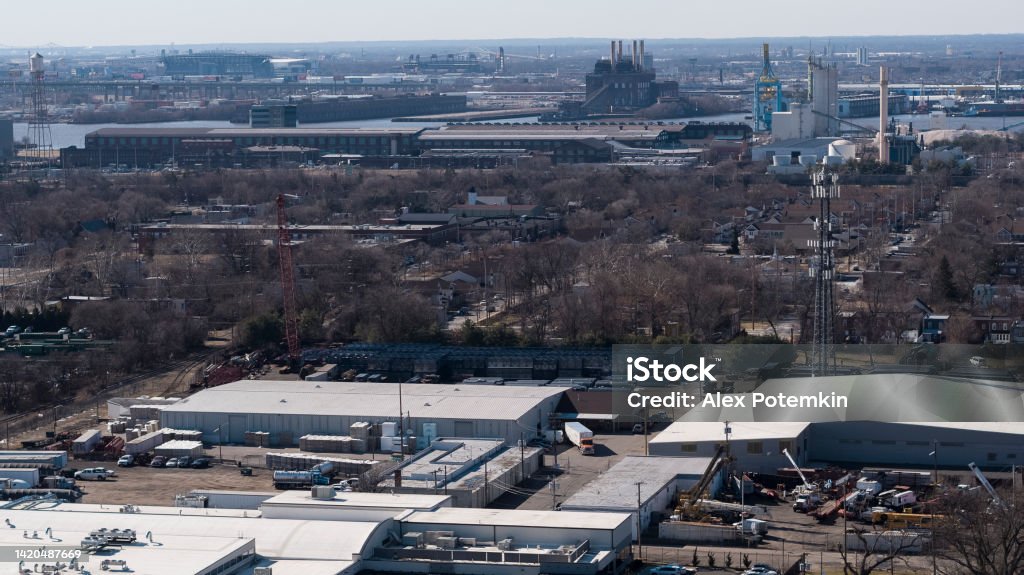
Meanwhile, only five buildings are currently under construction and scheduled for delivery over the next year, according to Turnbridge Equities Managing Principal Ryan Nelson. That pipeline points toward an increasingly tight market for big-block space.
“You’re getting some scarcity on the big-block side,” Ryan Nelson said. “We haven’t seen that in a while.”
Entitlement Hurdles and Complex Approvals Restrict New Supply
Development hurdles, including complex municipal authorization processes, are driving part of the space shortage. Over recent years, local towns have implemented zoning amendments and placed new size limits on warehouses following community pushback against proposed developments.
Greek Real Estate Partners noted in a summer blog post that these rules create entitlement risks, meaning zoning alone no longer guarantees developers can build at the scale needed to satisfy market demand. Prologis Vice President of Leasing and Development Mikki Columbus pointed out that obtaining approvals, such as a five-year Department of Environmental Protection permit, introduces significant uncertainty.

“New Jersey has a really hard entitlement process,” Mikki Columbus said. “You have these sites that have been entitled that are coming up to the point where they might no longer be able to build anything close to what they currently have approved.”
Kurv Industrial Senior Vice President of Investments Stefan Sansone added that successfully securing those approvals makes surviving sites difficult to replace. “When you’re able to get a site approved, it truly is irreplaceable in many of these municipalities,” he said.
Financing Costs Shape Landlord Strategy
Despite regulatory constraints, interest rates remain the primary obstacle for developers, investors, and buyers. Ryan Nelson noted that spikes in borrowing costs have made acquisitions more expensive while property owners hold onto existing assets due to shifting cap rates.
JLL senior managing director Jim Cadranell observed that landlords of existing properties are still finding lenders willing to issue new three-year loans, even if lease-up windows stretch longer than anticipated. However, Saxum Real Estate Managing Principal Anthony Rinaldi cautioned that macroeconomic pressures mean lenders may discourage owners from waiting indefinitely for peak rents.
“Nothing kills an internal rate of return faster than not leasing an asset, and that downtime really can drag the returns of the deal,” Anthony Rinaldi said. “Especially in a market like now, with what’s going on in the 10-year—the last 60 days alone have thrown a monkey wrench in a lot of people’s plans.”
Cushman & Wakefield executive director Helen Paul concluded that while inventory is tightening, revenue increases for landlords will likely lag behind the high-demand, supply-constrained conditions.