The Rare Neurological Emergency Often Misdiagnosed as a Stroke
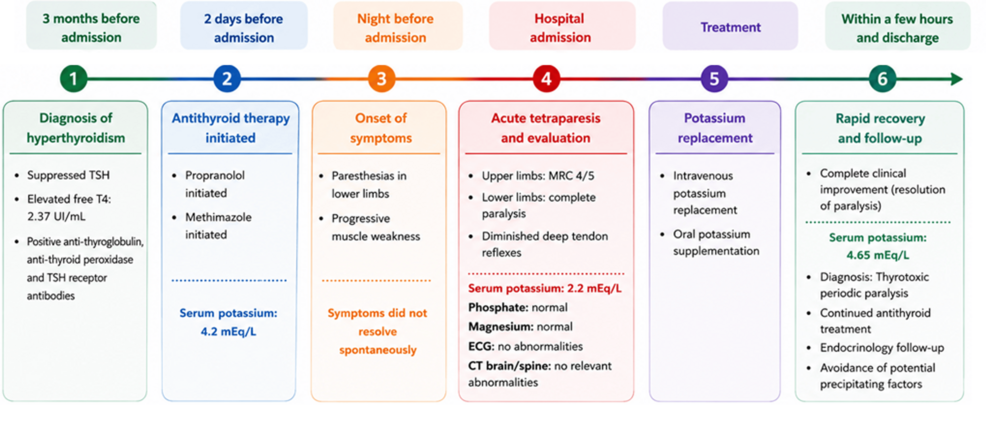
When a 29-year-old man arrived at the hospital struggling to move his limbs, the clinical picture initially suggested a neurological crisis. However, the true culprit was not in his brain, but in his thyroid. A recent report published in Cureus details this case of thyrotoxic hypokalemic periodic paralysis (TPP), a rare and potentially life-threatening complication of hyperthyroidism that underscores how easily a systemic endocrine disorder can masquerade as an acute neurological event.
For patients and clinicians alike, the stakes are high. As Cureus reported, TPP is characterized by a triad of acute muscle weakness, severe hypokalemia—dangerously low potassium levels—and thyrotoxicosis. If left unrecognized, the condition can spiral into respiratory failure or fatal cardiac arrhythmias. While the patient in the Cureus case made a rapid recovery following potassium replacement, the delay in identifying the underlying thyroid dysfunction highlights a critical gap in diagnostic awareness, particularly for those outside of historically high-prevalence populations.
A Demographic Shift in Clinical Presentation
Historically, medical literature has framed TPP as a condition primarily affecting East and Southeast Asian populations, with prevalence rates reaching one in 50 in those groups compared to one in 500 to 1,000 elsewhere. Yet, the medical community is increasingly encountering the condition in other ethnic groups. A separate case report highlights a 22-year-old man who was initially brought to the emergency department as a “stroke alert.”
The patient in the case report experienced a syncopal episode and exhibited marked sinus bradycardia, a stark reminder that TPP impacts the heart just as much as it affects skeletal muscle. The diagnostic journey for these patients is rarely straightforward. While the Cureus patient had a known history of hyperthyroidism, the case report notes that the diagnosis of thyrotoxicosis was only confirmed after initial neurological assessments for stroke were ruled out. The contrast is telling: in one case, a known endocrine history provided a roadmap, whereas in the other, the paralysis was the primary driver of the clinical investigation.
The Mechanics of a Sudden Paralysis
The biological engine behind these episodes is a rapid intracellular shift of potassium. The intracellular potassium shift is the main contributor to muscle weakness and paralysis. Consequently, the patient’s serum potassium levels plummet—often below 3.0 mEq/L—rendering muscles unresponsive.
| Parameter | Typical TPP Finding | Clinical Significance |
|---|---|---|
| Serum Potassium | <3.0 mEq/L | Primary cause of weakness |
| TSH | Suppressed | Indicates thyrotoxicosis |
| Urinary Potassium | <20 mEq/L | Supports intracellular potassium shift |
Both the Cureus and the other case report illustrate that the episodes are often sporadic, leaving patients with little warning before the onset of weakness.
Why Recognition Remains the Primary Hurdle
The most significant challenge for emergency medicine is the subtlety of the thyrotoxic symptoms. When a patient presents with sudden, symmetrical weakness, the differential diagnosis is vast, spanning from familial HypoPP to renal tubular disorders like Gitelman syndrome.
The danger is that standard emergency protocols might focus on the stroke-like symptoms or the cardiac irregularities without addressing the hormonal imbalance. As the case report demonstrates, the patient required atropine for bradycardia and subsequent cardiac monitoring as his potassium levels fluctuated. It was only through the systematic exclusion of other causes and the subsequent testing of thyroid function that the pieces of the puzzle aligned. For the healthcare system, the lesson is clear: in cases of acute, unexplained muscle weakness, a simple blood panel to check TSH and thyroid hormone levels could be the difference between a swift, successful intervention and a missed opportunity to prevent a cardiac arrest.
Despite the rarity of these cases, the increasing frequency of reports in non-Asian populations suggests that TPP may be more prevalent than current literature reflects. The ability to identify this condition—and to recognize that it is a reversible, metabolic emergency—remains a vital skill for clinicians operating in the high-pressure environment of the emergency department.