COP31, hosted in Antalya, Turkey, is set to conclude on Friday as international delegates navigate intense scrutiny over the event’s environmental footprint and the influence of industry lobbyists.
Industry influence at the Antalya summit
A total of 168 private aircraft landed at the city's airport during COP31, a rate nine times higher than the same period last year, according to Polluterjet data.
The gathering has faced significant criticism regarding the presence of corporate interests at the climate talks. According to an analysis by the Kick Big Polluters Out coalition, 103 corporations and industry associations—many with histories of obstructing climate policy—maintained delegations at the summit.

These industry delegations significantly outnumbered the official representatives from Nepal. This discrepancy gained attention during a year in which floods resulted in more than 8,000 deaths globally, with roughly three-quarters of those fatalities occurring in Nepal, according to Oxfam.
Financial institutions also faced scrutiny for their role in the energy transition. Thirty banks present at the talks provided more than $2.2 trillion in fossil fuel financing between 2021 and 2025, with JPMorgan Chase leading that group at $248.77 billion, according to data cited in recent reporting.
Summit's private jet traffic surges ninefold
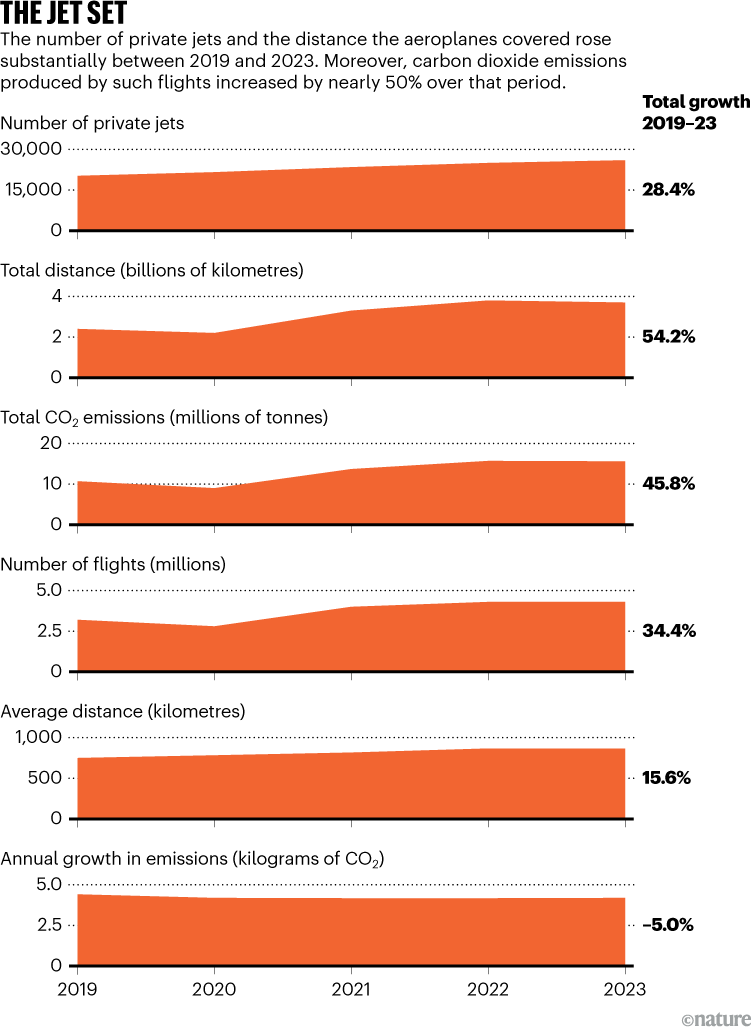
The environmental impact of the summit itself became a focal point of debate, particularly regarding the high volume of private jet travel to Antalya. From November 7 to November 20, 168 private aircraft landed at the city’s airport, a rate approximately nine times higher than that recorded during the same period a year ago, according to Polluterjet data.
These flights resulted in an estimated 1,282 tonnes of carbon dioxide emissions. The total distance covered by these aircraft reached 232,187 kilometres, or 144,272 miles, which Polluterjet calculated as equivalent to circling the globe five times.
JPMorgan Chase stands as the largest bank in the United States and the world’s largest by market capitalization as of 2026, holding $4 trillion in total assets. The institution traces its origins back to 1799, when Aaron Burr established the Bank of the Manhattan Company. Originally chartered to provide clean water to New York City, the firm utilized a clause in its charter to pivot into banking before laying any water pipes.
The modern organization was formed in 2000 through the merger of J.P. Morgan & Co. and Chase Manhattan Company. Today, the firm is considered systemically important by the Financial Stability Board and operates the world’s largest investment bank by revenue, maintaining a significant global footprint through its retail, asset management, and corporate advisory services.
When billionaires whose fortunes are tied to polluting industries enjoy access and influence at COP31, we have to ask whose interests are being represented and whose voices are being shut out.
Unidentified source, as reported by Yahoo News
Calls for new climate levies
In response to the emissions associated with luxury travel, advocacy groups have pushed for stricter taxation on high-carbon activities. The Global Solidarity Levies Task Force suggests that a specific levy on private jets could generate approximately $45 billion annually. According to Oxfam, this figure is nearly 12 times the amount that wealthy nations contributed to UN climate funds in 2025.
Earlier coverage: COP31 Talks Extend Into Overtime After Fossil Fuel Language Removed