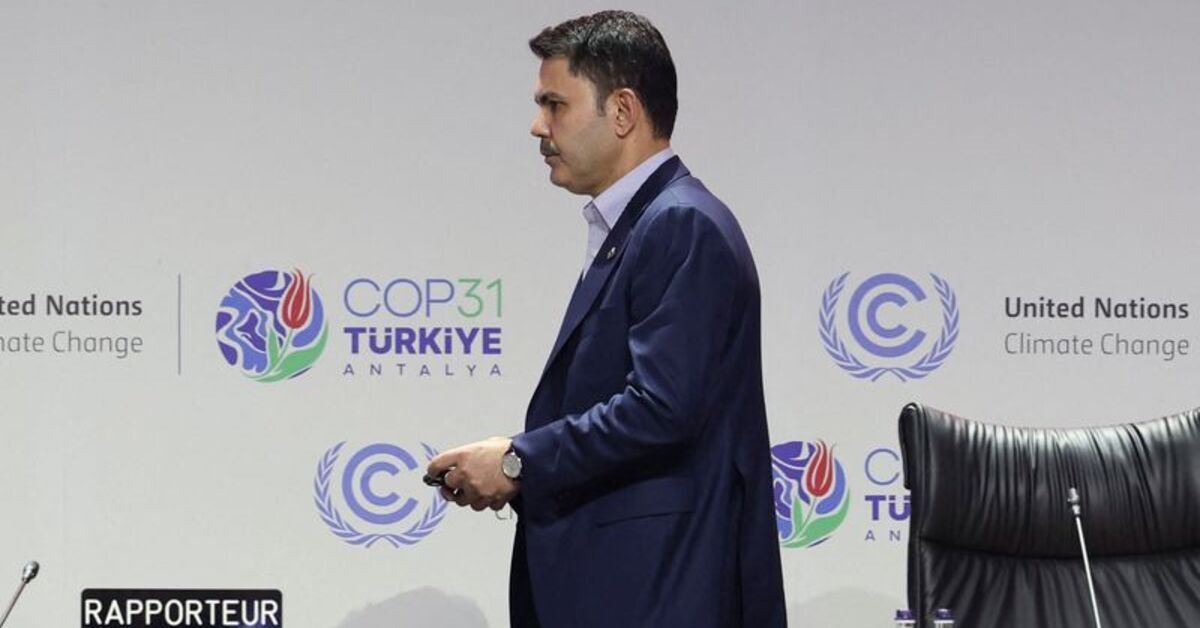
World leaders and climate negotiators are gathering in Antalya, Türkiye, for the COP31 climate change conference, which is being co-hosted by Türkiye and Australia.
As the event unfolds, the focus remains on whether participants will secure a new global climate deal to accelerate action and fulfill existing commitments.
The conference is co-hosted by Türkiye and Australia, two nations currently facing scrutiny over their domestic energy policies. While both countries have engaged in international climate rhetoric, they continue to pursue the expansion of fossil fuel projects at home.
“The COP31 co-hosts Türkiye and Australia should adopt resolute policies to end the expansion of new fossil fuel projects and set a clear timeline for phasing out existing coal power plants,” said Bayram, according to Human Rights Watch.
In Türkiye, the government’s National Energy Plan, announced on November 5, 2026, aims for electrification and energy independence by 2040. However, the plan lacks a concrete target for phasing out fossil fuels. Coal makes up a large share of the nation's energy mix, providing 33.9 percent, or 120.86 billion kWh, of total electricity generation in 2025.
Local opposition to these policies has been documented, including efforts to clear the Akbelen forest and olive groves for coal mining. In Kahramanmaraş, administrative courts issued rulings in June 2026 that rejected plans for coal operation expansions, citing public health and environmental concerns.
Antalya, situated on Anatolia’s southwest coast and flanked by the Taurus Mountains, was founded as Attaleia around 200 BC by King Attalus II of Pergamon. Originally established as a naval base, the city has transitioned through various historical eras, including periods under Roman, Seljuk, and Ottoman rule.
Today, it stands as the capital of Turkey’s fifth-most populous province and is recognized as the country’s primary international sea resort on the Turkish Riviera.
Australia also faces criticism as one of the world’s largest coal exporters. The disconnect between domestic fossil fuel expansion and international climate pledges remains a central point of tension as the summit concludes.
Earlier coverage: COP31 Talks Extend Into Overtime After Fossil Fuel Language Removed