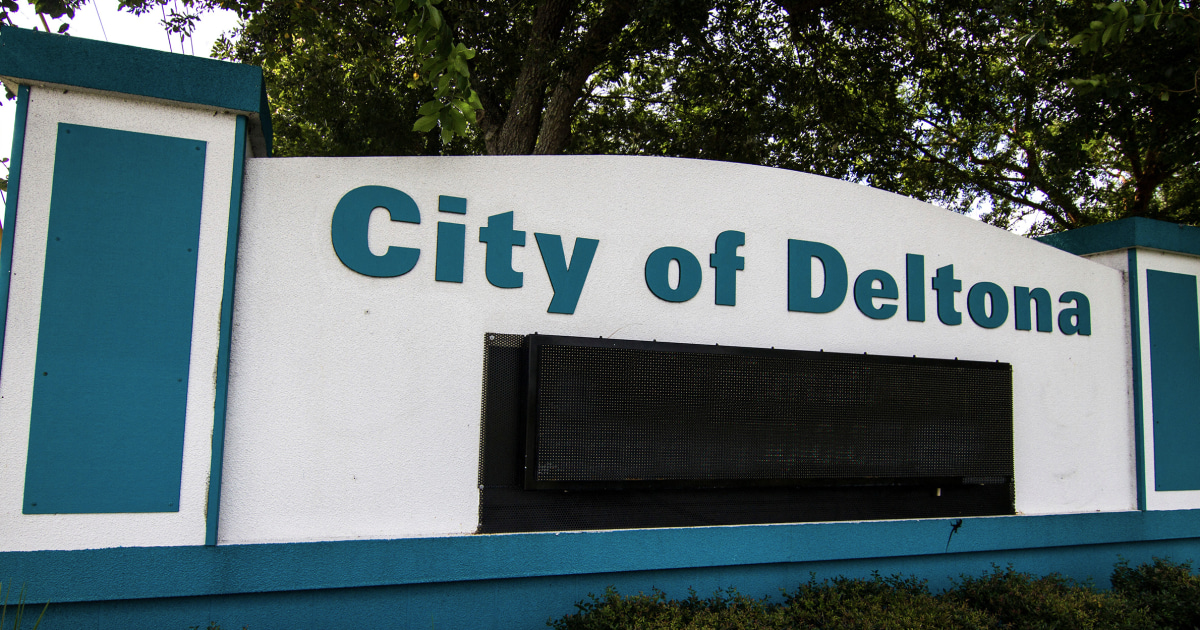
Deltona canceled its annual Christmas parade and nearly all other municipal events after Florida voters approved a sweeping property tax overhaul that local leaders warn will strip millions from city services.
- Voters approved Amendment 3 on Nov. 3, 2026, with about 62% support.
- Deltona faces a $12 million budget reduction in 2027 and a total cut exceeding $23 million by 2030.
- Only two self-supporting 5K runs survive the citywide event cancellations.
Deltona Faces Budget Cuts After Amendment 3
City Manager Doc Dougherty announced the cancellations in a letter to residents. He said Deltona’s history of low property values and minimal commercial development makes the municipality the hardest hit in Central Florida.
The constitutional amendment expands the homestead exemption. It increases the exemption to $150,000 in 2027 and $250,000 in 2028. This nearly triples the current maximum of about $50,000. The change also lowers the cap on annual assessment increases for rental, commercial, and secondary properties from 10% to 5%.
With the passage of Amendment 3, funding to all cities and counties across the State of Florida is being reduced drastically. It is unfortunate that among all the cities in Central Florida, Deltona will be most affected, which removes millions of dollars’ worth of City services.
Doc Dougherty, Deltona City Manager
State analysts expect municipal budgets to face a nearly $5 billion shortfall during the first year. This will grow to roughly $12 billion annually once the exemption is fully implemented.
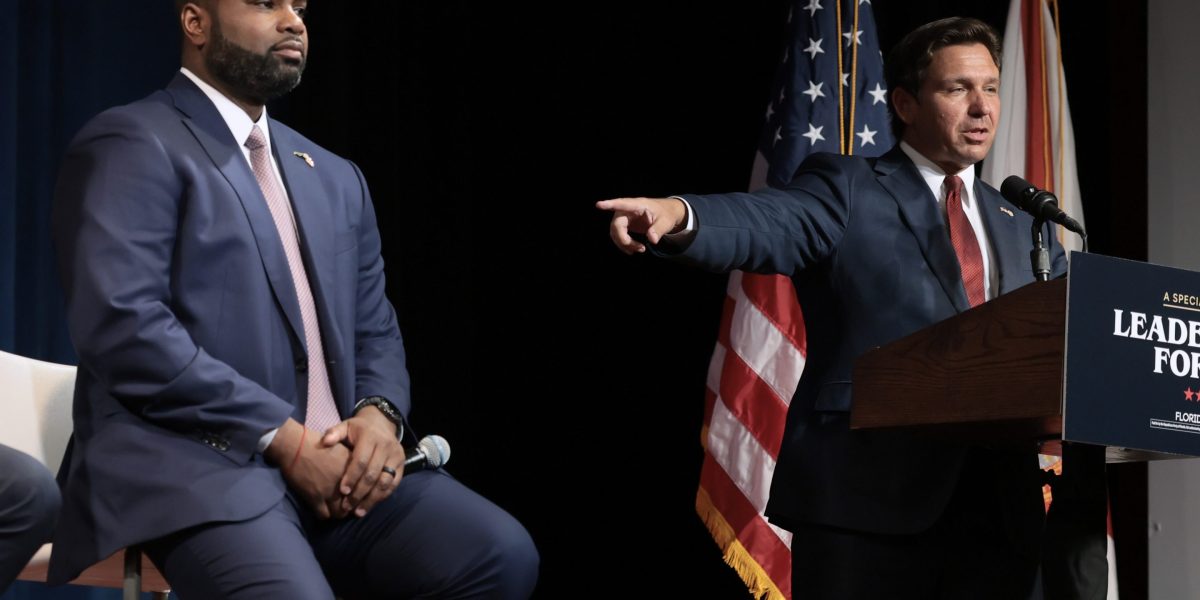
There won’t be fee hikes if the Legislature stops it. Pass a taxpayer bill of rights, limit local spending and protect against new local taxes and fees. https://t.co/UNsgdFchOP
Florida TaxWatch anticipates drops of about $4.93 billion for fiscal 2027-28. This figure will rise to $11.83 billion by fiscal 2031-32.
City Events and Infrastructure Suspended
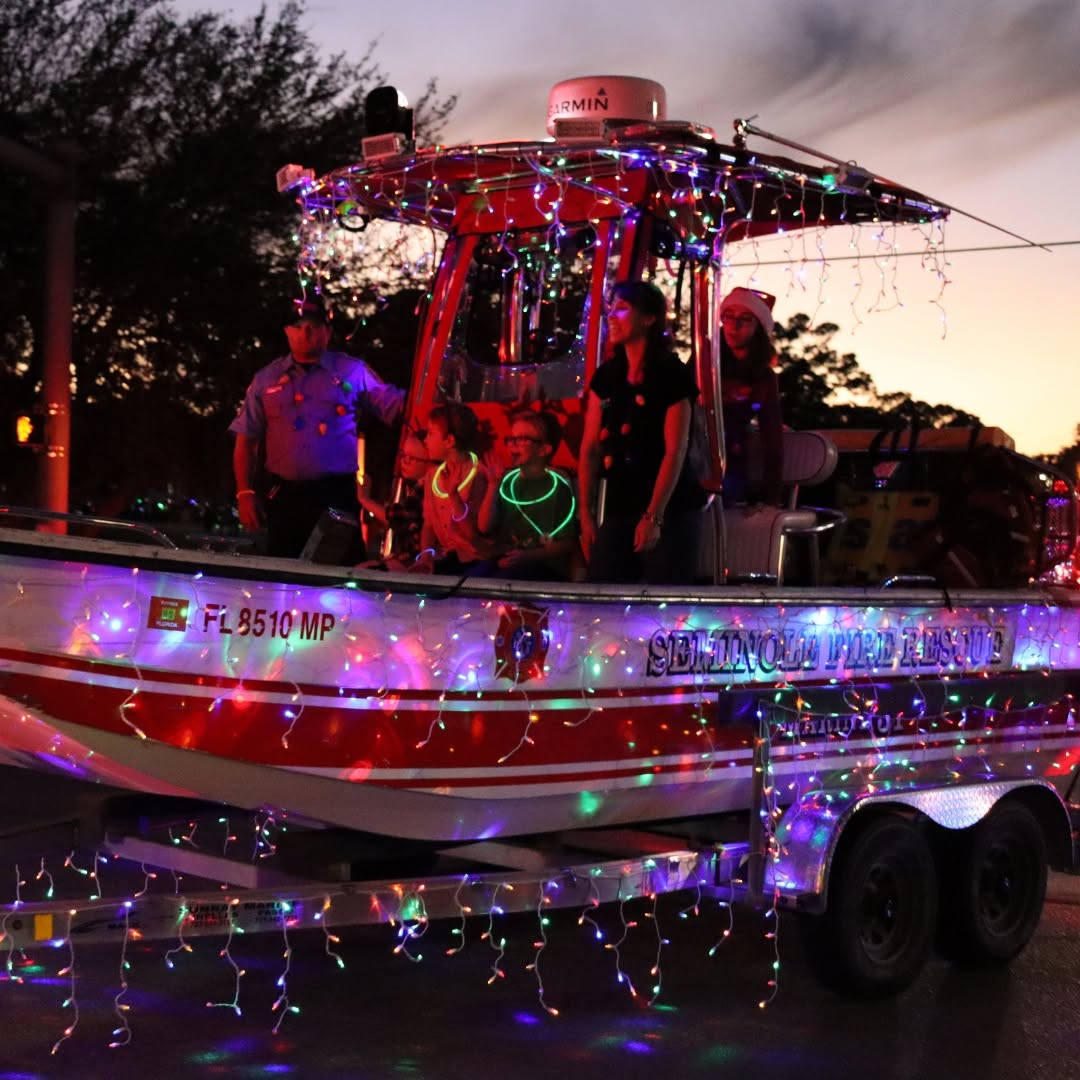
The holiday procession joins a list of suspended community traditions. All city events are canceled to save money for core operations. Only two upcoming 5K runs survive because they cover their own expenses.
Administrative actions match the event rollbacks. Officials are stopping construction contracts, withdrawing vehicle orders, and canceling professional services to address the revenue shortfall.
Working through the financial challenges created by Amendment 3 will take time, and there will be many more difficult decisions ahead.
Doc Dougherty, Deltona City Manager
Ballot Measure Cuts Local Revenue by Billions Annually
State economists project the ballot measure will cut local non-school property tax revenue by $4.95 billion during the 2027-28 fiscal year. The total will reach $11.86 billion annually once implemented. Proponents framed the policy as a way to lower living costs.
Local officials criticized how lawmakers pitched the initiative. “I voted no, because Tallahassee sold the whole state a bill of goods,” Vice Mayor Chris Burke said. Lifelong Seminole resident Bradley Yeates voiced concern about rising insurance and living expenses during a public comment session.
Service Reductions Take Effect Statewide
Manatee County commissioners discussed scrutinizing special tax zones, infrastructure projects, department consolidations, and interlocal agreements to cover the gap. Deltona officials are dismantling ongoing municipal commitments alongside the event cancellations.
Deltona is identified as the hardest-hit municipality in Central Florida due to a structural reliance on a residential-heavy tax base. Originally master-planned in 1962 as a sprawling residential community, the city functions primarily as a commuter town with limited commercial development.
This historical focus on single-family housing, established by the General Development Corporation, leaves the city particularly vulnerable to the expansion of the homestead exemption under Amendment 3. Because the city lacks the robust industrial or commercial tax revenue found in more diversified economies, the significant reduction in taxable property value creates a disproportionate shortfall in the funding required to maintain its municipal services and infrastructure.
Property Tax Gap Forces Local Asset Reviews and Consolidations
The structural change has prompted debate among state leaders regarding government functions and local spending limits. Property tax bills fund daily operations for city and county governments. Local boards must now cover the gap through asset reviews, department consolidations, privatization, and spending caps.