But it really beats me, honestly.
Conflicting Accounts of Consent
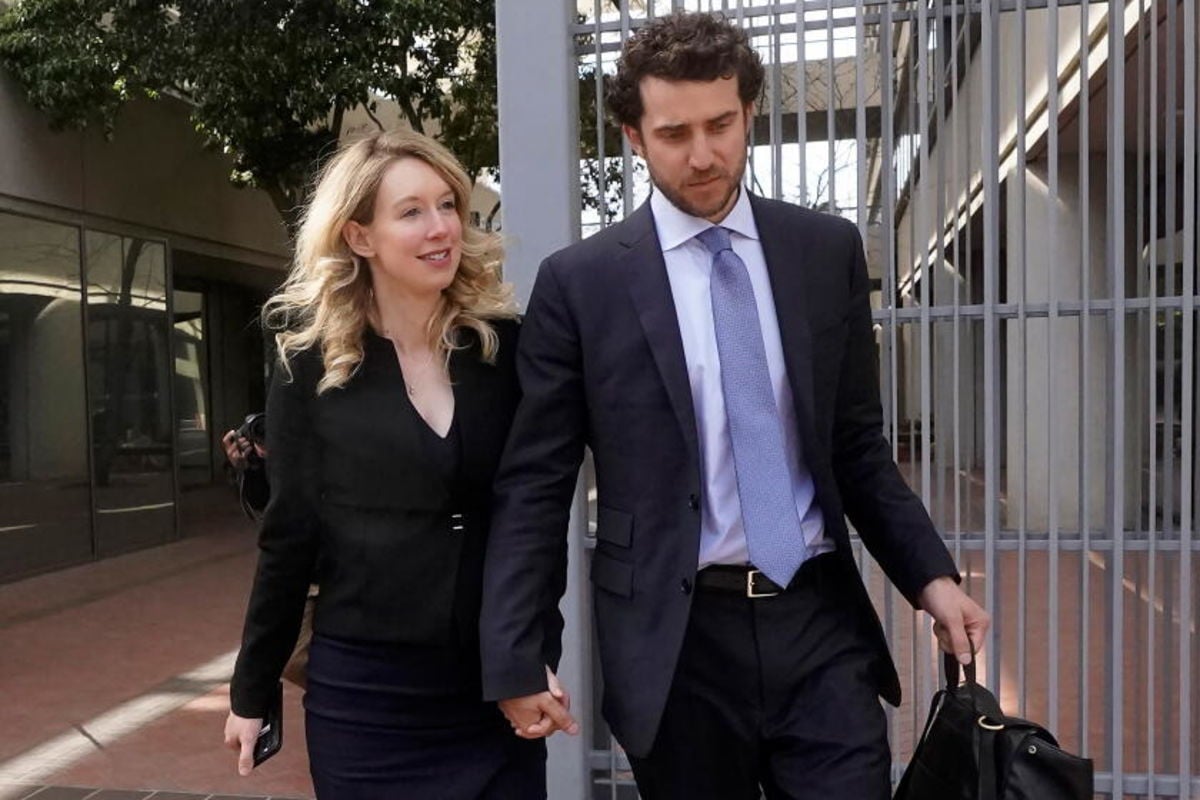
The scene, which features full-frontal nudity of Holmes’ partner, Billy Evans, has become a flashpoint for debate regarding the film’s production ethics. While Oppenheim maintains that Evans initiated the request and explicitly stated he didn’t care about being seen naked
despite an offer to film in a way that would obscure his genitals, Evans has rejected this account. In a recent social media Q&A session, Evans dismissed the filmmaker’s version of events as a false narrative.
Evans further alleged that he had been led to believe the footage would not appear in the final cut. Another source suggested that finding out the truth through media coverage was unsettling for anyone involved. Evans also noted that the shower scene was not his idea.
One day during the filming of ‘You Can See Everything,’ Billy Evans stripped and hopped in the shower before Lance Oppenheim could propose a minimally invasive approach. “It seems like he really had something he wanted to show to us and to the world,” Oppenheim says.…
Production Style and Artistic Intent
Oppenheim compared the film’s approach to the work of Errol Morris, specifically citing The Thin Blue Line.
He also referenced Michael Moore and Ross McElwee as examples of directors who become on-screen presences.
When asked about the motivation behind the shower scene, Oppenheim speculated that Evans may have been excited that people could see everything
due to the high level of access the crew maintained. The film’s title itself references a text message Holmes sent to Fielder regarding his freedom to film. Oppenheim noted that there was a camera in the bathroom, one on Nathan, and one outside the bathroom. He pointed to an interaction after Billy left where he smiled at the camera as evidence of his state of mind. Despite the ongoing dispute over the shower scene’s inclusion, Oppenheim maintained that the resulting footage remains as close to the real him as possible.

The film serves as an exercise in truth, perception, and distortion. Oppenheim, who previously directed the To Catch a Predator
drama Primetime
, stated that the film reflects the basic tenets of documentary cinema.
More on Billy Evans
"You Can See Everything" director Lance Oppenheim says Elizabeth Holmes' partner Billy Evans "didn't care about being seen naked" in the documentary: "We were in the car ride on the way back from the gym, and I said to Billy, ‘We will give you some time to shower.’ And Billy… pic.twitter.com/tZuub0ovtw
"You Can See Everything" director Lance Oppenheim says Billy Evans "didn’t care about being seen naked"; Evans asked, "Want to film me showering?" https://t.co/AOB0bbCZku pic.twitter.com/nbongjZzMq